
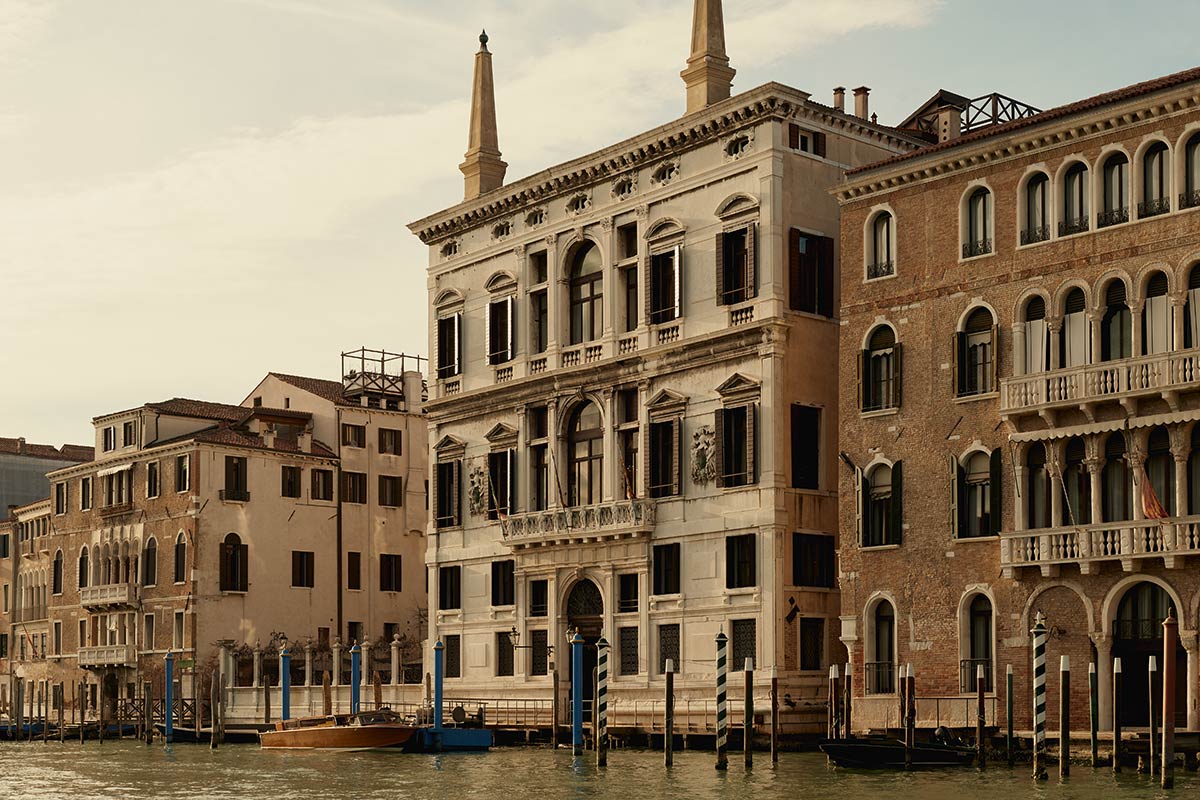
The Aman Venice is built close to the water. But anyone checking in here will have reason to shed tears of joy at best. The luxury hotel in the historic Palazzo Papadopoli is the first address for a stylish visit to Venice – and the latest craze during the Biennale di Venezia. Because where Italian masters once immortalized their skills, two contemporary artists are presenting exclusive installations until November. Why are we also talking about the sinking of the Titanic and England’s most eloquent gigolo? There is a good reason.
It’s actually only a seven-hour drive. And yet Lengnau and Venice are worlds apart. To the north, the down-to-earth Swiss farming village, where there are barely more people than cattle. To the south, the floating lagoon city from where Europe once set out to conquer the world in war and trade. And yet one name inextricably links these two disparate places in their history: Guggenheim. At the beginning of the 19th century, Jewish families were only allowed to settle in two villages in Switzerland – one of which was Lengnau in the canton of Aargau, where the family originally came from. Simon Guggenheim was also living here when he had to bury his first wife. The tailor had previously given up his job to look after his dying wife. Now he was penniless – but also newly in love. But the authorities refused to allow the couple to marry. Simon and his widow Rachel Weil brought ten children into the new family together. Too many mouths for the officials to feed with empty pockets. So in 1847, Guggenheim and Weil decided to emigrate to the USA with their offspring. There, more lenient laws and hopefully new financial opportunities beckoned. From then on, the dazzling story of the Guggenheims would take place on two continents.
Count Next Door
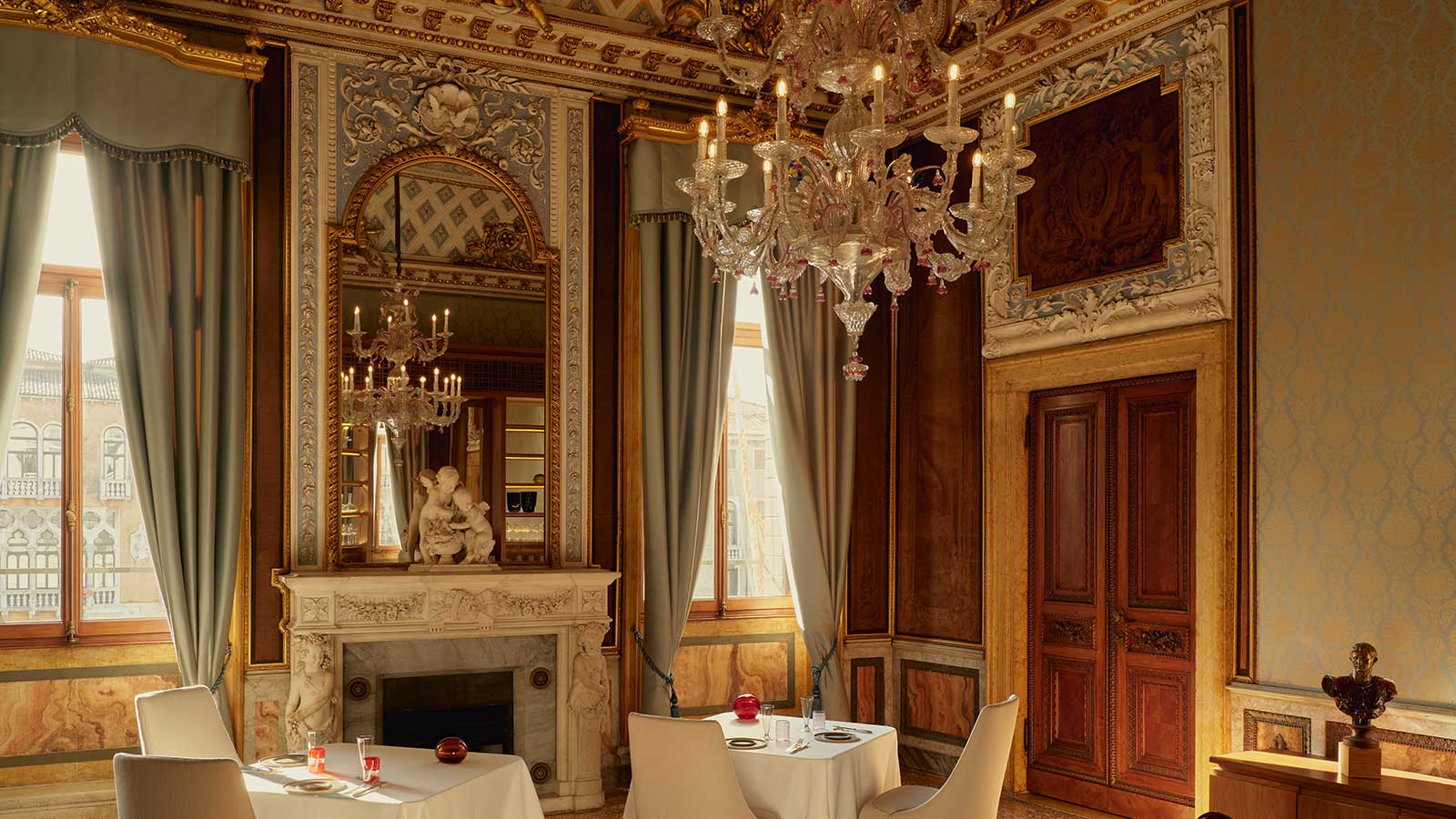
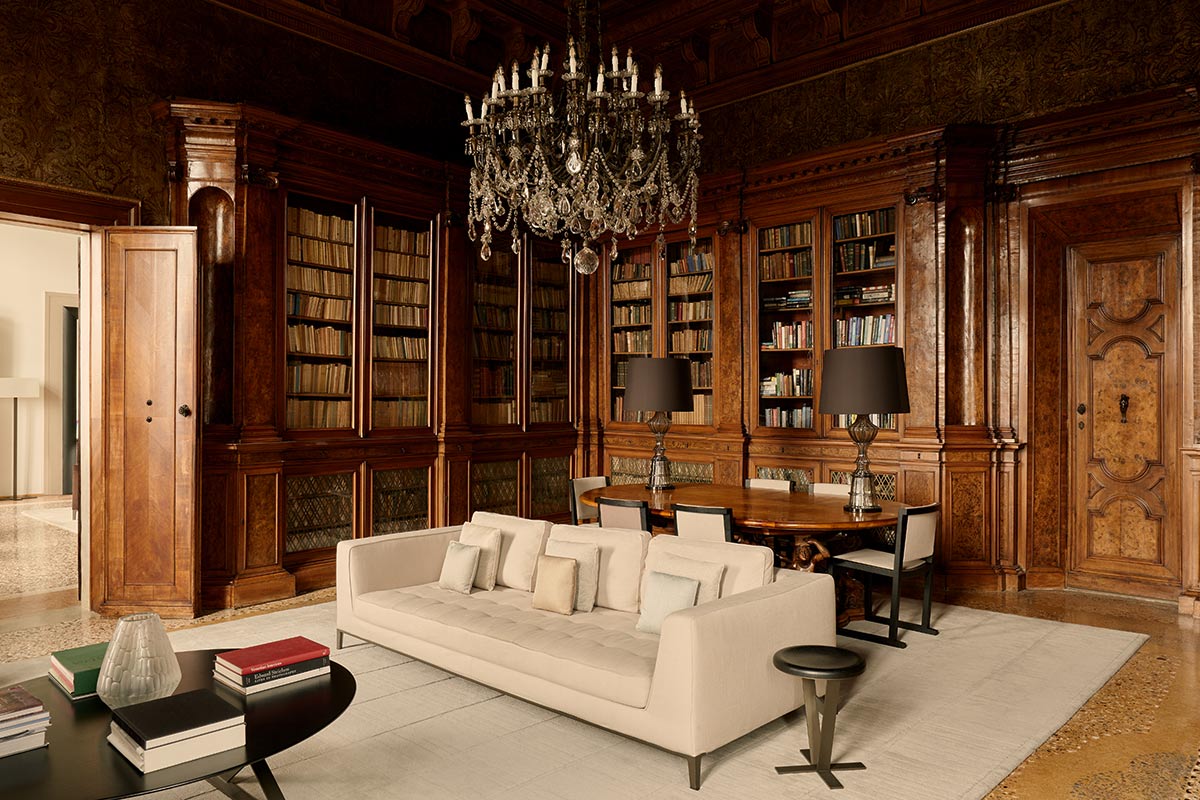
When Moses Michelangelo Guggenheim entered the Palazzo Papadopoli, he was ready for his masterpiece. His parents had also turned their backs on their northern homeland at the beginning of the 19th century and settled in Venice’s Jewish ghetto. After the Napoleonic Wars had established the French Civil Code in Italy, according to which all citizens were entitled to the same rights regardless of religion and class, the Venetian Guggenheims enjoyed a legendary rise. Michelangelo took over his father’s flourishing art trade and produced magnificent furniture in his workshop, which soon became a status symbol in aristocratic houses throughout Europe. When the Greek Papadopoli family commissioned him to furnish their newly acquired palazzo on the Grand Canal, the maestro outdid himself. Influenced by Rococo and the Neo-Renaissance, Michelangelo’s decorations took the riverside palace to an unprecedented level of grandeur. And 150 years later, it still shines as if Guggenheim and his craftsmen had just left the room to wash the sweat off their foreheads outside on the Canałazzo.
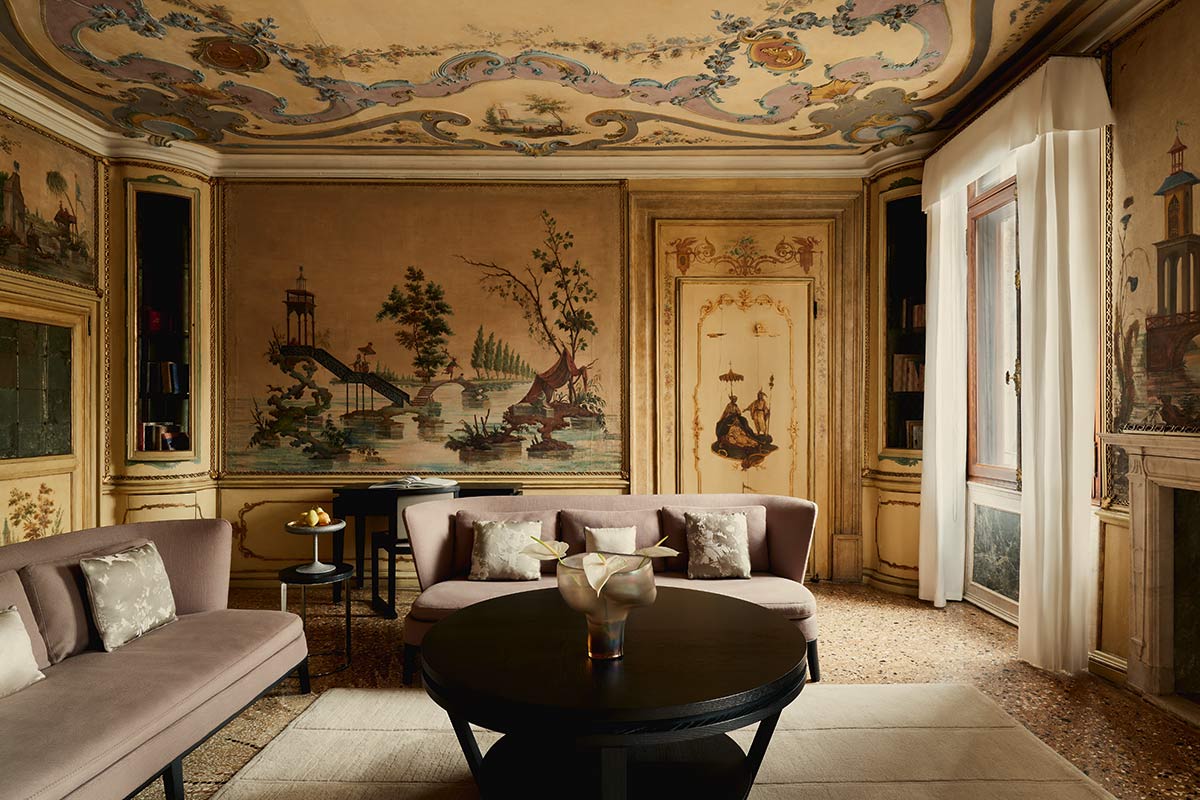
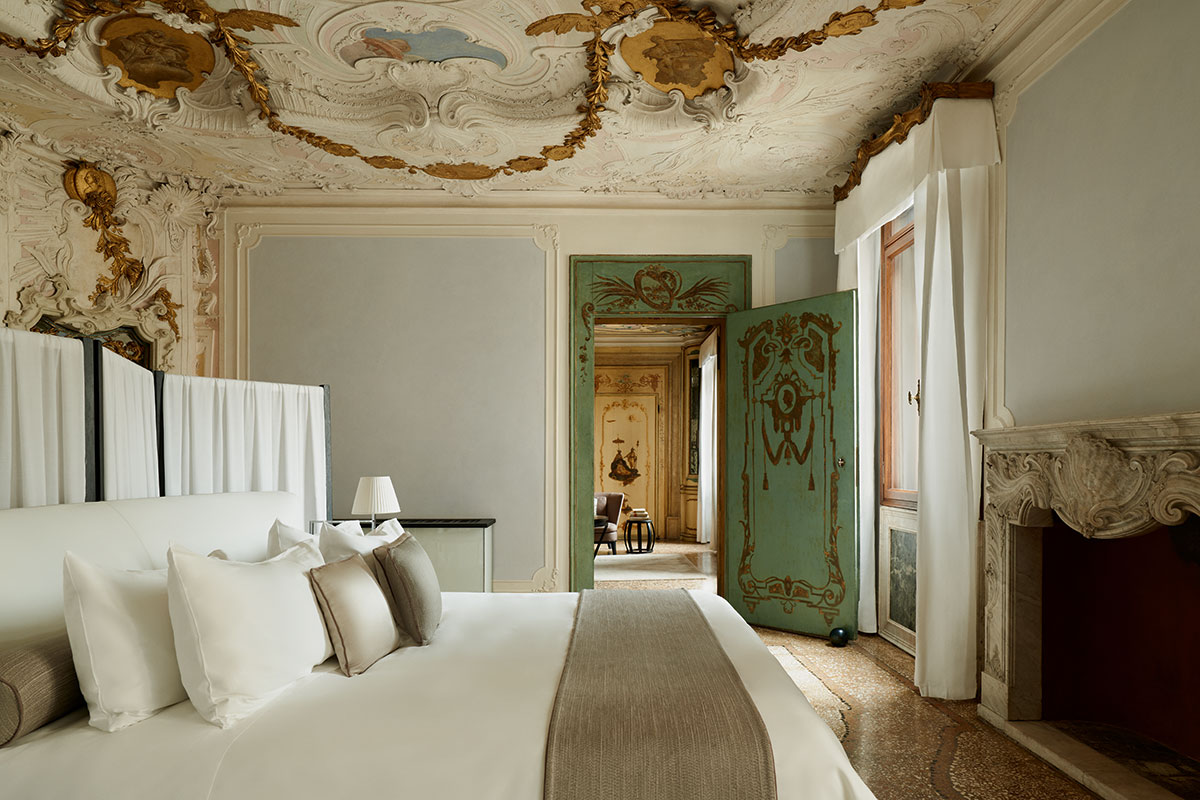
Today, the five-star Aman Venice Hotel is housed in the palazzo. Owner Count Giberto Arrivabene Valenti Gonzaga and his wife Princess Bianca of Savoy-Aosta still occupy the top floor. The building was carefully renovated when they took over in 2013. Even though wifi boxes and yoga mats have now found their way to Calle Tiepolo 1364, the visit remains a journey through time. And, depending on the accommodation, a tour to even more distant regions. In the salon of the Alcova Tiepolo Suite, which measures over 100 square meters, murals depict everyday Chinese scenes as if they came straight from Marco Polo’s WhatsApp status. The apartment owes its name to the frescoes by Giovanni Battista Tiepolo. The 18th century Venetian artist was unsurpassed at depicting the heavens and all their sanctities on the walls of villas and churches.
“The art scene flits over bridges and through alleyways like a fluttering kaleidoscope of butterflies.”
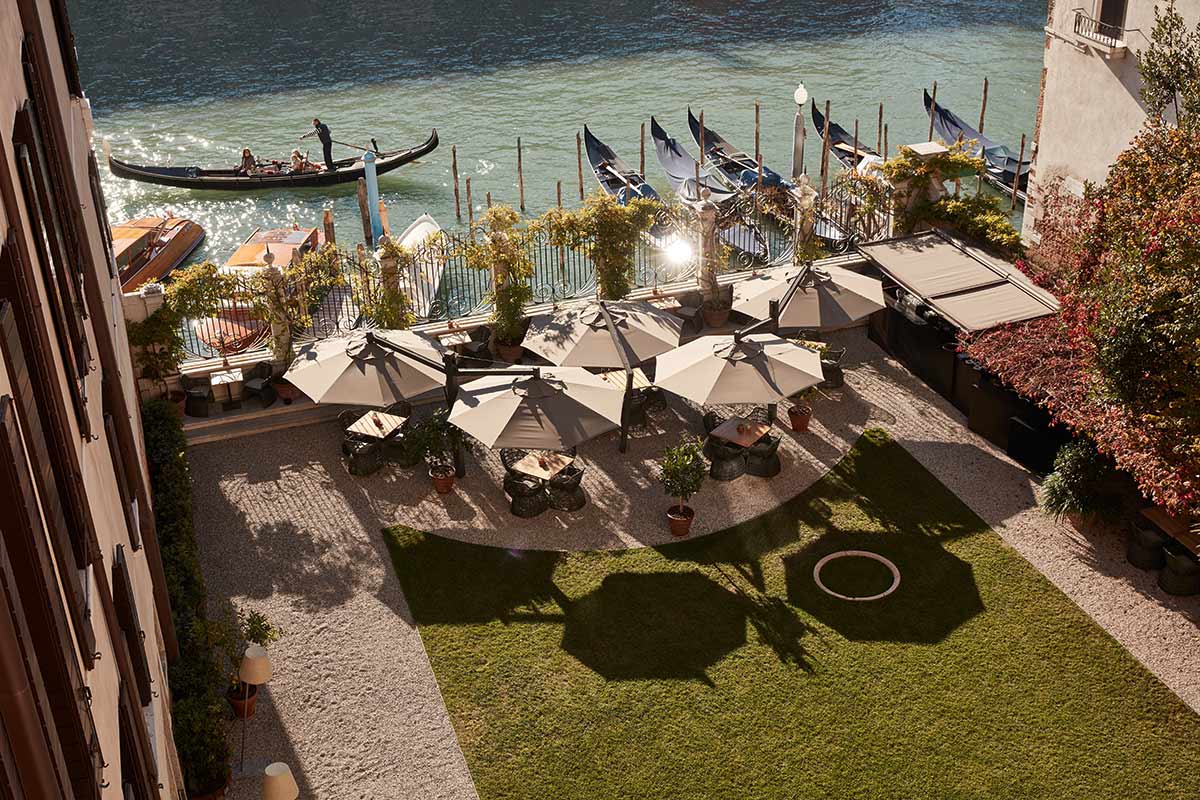
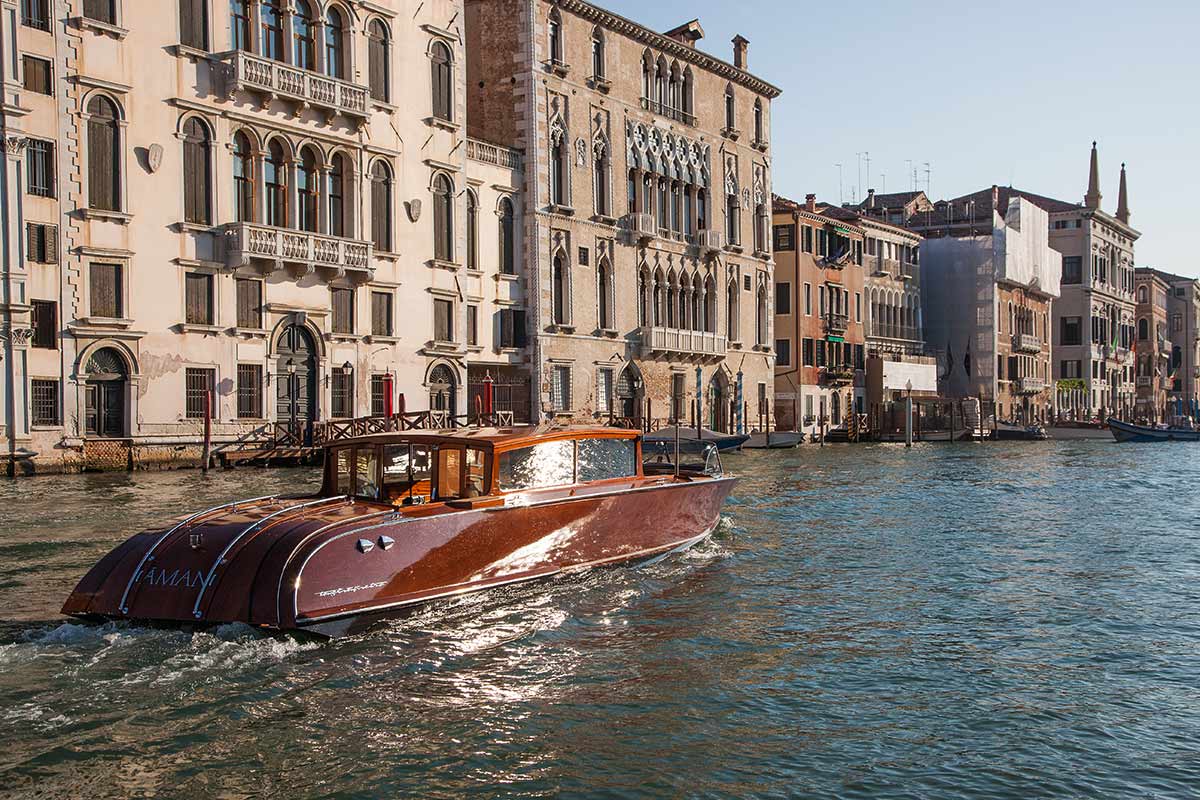
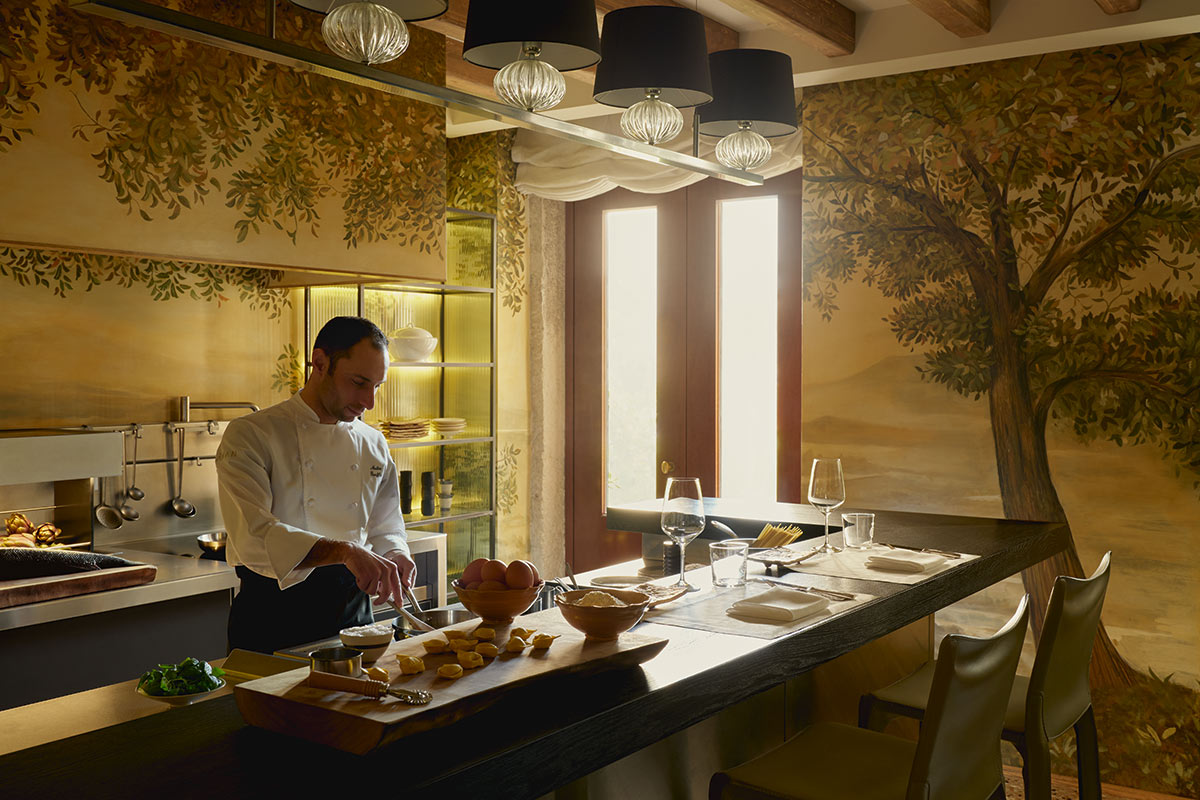
Guests can choose from a total of 24 rooms and suites in the Palazzo. In the Grand Canal Suite, you don’t even have to get out of bed to take the best photos of the water canals. Through the window of the Palazzo Chamber Affresco, on the other hand, you can enjoy the view of the private gardens. A sheltered oasis of calm in a city that often feels like a column of ants overheated in the selfie flashlight. On the Altana roof terrace, you are enthroned above this hustle and bustle anyway, whether you are having breakfast or an aperitif before heading to the in-house restaurant Arva. Chef Matteo Panfilio serves typical Venetian dishes under a chandelier so large that it almost needs its own zip code. What was still swimming in the salty waters of the lagoon in the morning adorns the plates at Arva in the evening, depending on the season: red prawns, turbot or salicornia – the “asparagus of the sea”. The digestif awaits at the Red Room bar. The bar is dedicated to Lord Byron, the most epic tourist Venice ever had. During his three-year stay, the English poet slept through more beds and drank through more bottles than three generations of English royalty would have managed. Nevertheless, he was always sober enough the next morning to write one or two masterpieces of world literature. Unlike Lord Byron’s preferred drinking vessel – a human skull decorated with silver – the cocktails in the Red Room are served in a glass. But they are adventurous nonetheless: those who take two hours will be guided through a workshop in which participants mix their own perfume. The bar then creates the perfect drink based on the fragrance. For such fabulous alchemy, even the fun-loving lord would have pushed his belle (or beau) de jour off his lap.
Peggy in Venice
Wait a minute. What actually happened to the Guggenheims who emigrated to America? Within a generation, they became one of the richest families in the USA thanks to their mining and metal businesses. Simon’s grandson Benjamin Guggenheim died at the bottom of the sea when he sank with the Titanic in 1912. The millionaire had loaded his wives and children into the lifeboats until the very end and awaited the end with his private secretary in full evening attire with brandy and cigars. One of his descendants was his daughter Peggy. The young woman used her inheritance to amass one of the most prestigious art collections in the world. Guggenheim focused on provocative exhibits from the burgeoning avant-garde, Surrealism and Expressionism at the time. Jackson Pollock, Man Ray and Salvador Dalí not only hung on her walls, but also on her couch to discuss gods and worlds with the patron. After the Second World War forced the art collector to flee her adopted home of Paris, she settled in Venice on her return to Europe. Her welcome gift to La Serenissima was the first public exhibition of Guggenheim’s collection at the 1948 Biennale. Europe had been in flames for six years, but now the traditional art event was making a glorious return. And thanks to Peggy’s contemporary touch, it landed right in the middle of modernity, where the Biennale is still firmly anchored today. In the years that followed, the American artist took up residence in the Palazzo Venier dei Leoni. The Peggy Guggenheim Collection is now housed there – and the creator is buried in the garden together with her 14 dogs.
No art break
Both the Palazzo Papadopoli and the Biennale di Venezia were once kissed back to life by two Guggenheims. This year, the two Venice institutions are joining forces for the first time. The 61st edition of the festival will take place from May to November. 110 invited artists will present their oeuvre in the historic national pavilions. Dozens of other exhibitions are spread throughout the city – some as mysteriously hidden behind magnificent facades as the faces at a carnival. This is also the case at Aman Venice. Director and multimedia artist Charlotte Colbert was invited by the hotel for a residency. With her debut film “She Will”, the Englishwoman was awarded the Golden Leopard at the Locarno Film Festival. Most recently, her sculpture project “Chasing Rainbows” in New York was a hit. For the Aman Venice, Colbert is planning an “immersive reflection on the contemporary paradoxes of Venice”. Strange things are also blooming in the hotel garden thanks to Italian-Lebanese curator Yasmine Helou. Her four-part installation “Possible Landscapes” aims to blur the boundaries between reality and the fantastic. The green grounds of the Aman Venice thus become a walk-in dream that you encounter with open eyes.
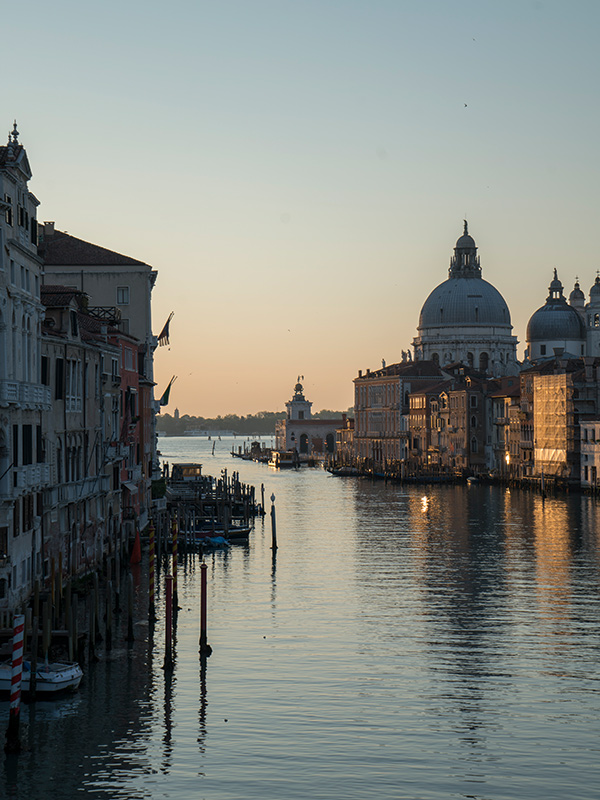
The Sbagliato in one hand. The Biennale program in the other. Kiss on the left, kiss on the right. “Bella, you’re here too! See you tonight at the Lee Ufan retrospective?” – These days, Venice is even wilder, even more colorful. The art scene flits across bridges and through alleyways like a fluttering kaleidoscope of butterflies. If you are looking for some peace and quiet in this frenzy of the senses, Palazzo Papadopoli is a place that has been quietly and proudly celebrating the fine arts for centuries. And if that’s still too much excitement for you, we recommend a drive of around seven hours north.
Aman Venice
The water has been flowing alongside Palazzo Papadopoli for five centuries. But this summer, the building is making particularly big waves during the Biennale di Venezia. The city palace, which has been home to the five-star Aman Venice Hotel since 2013, is joining the art festival with two multimedia installations of its own. Between the time-honored walls and private gardens of the hotel, the works of Charlotte Colbert and Yasmine Helou will bridge the ponte della storia between historical opulence and contemporary luxury. aman.ch
Off to Venice. Book your room at the Aman here.
Photos: © Aman Venice
If you prefer to go further south, then perhaps Mount Nelson in Cape Town is something for you.