
Automotive, hospitality, and agriculture—three worlds that, at first glance, seem to have little in common. And yet the most important questions for the future in all three industries stem from the same place: the responsible use of resources.
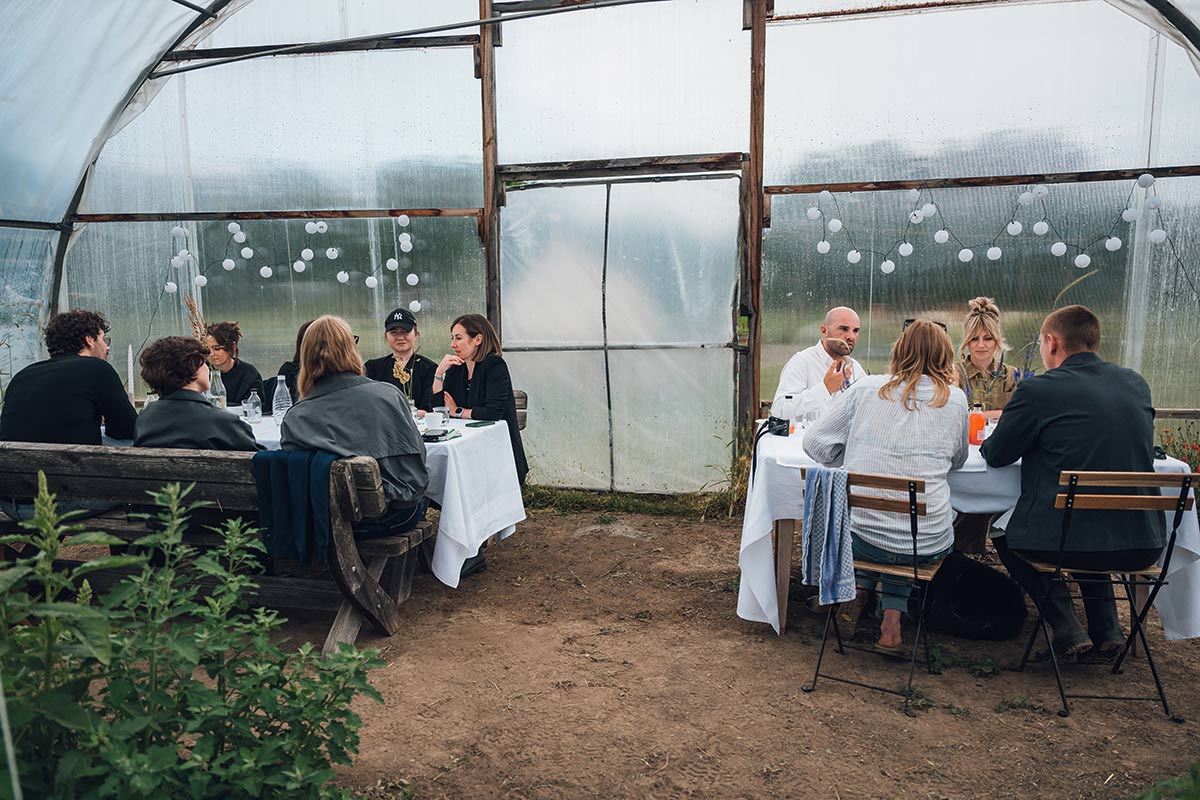
Polestar focused on precisely this idea with the “Future Table,” a carefully curated experience that brought together different perspectives around one table. Together with TIAN Executive Chef Paul Ivić and the Dirndln am Feld market garden, the Swedish electric car brand invited guests not to discuss sustainability as an abstract concept, but to experience it firsthand.
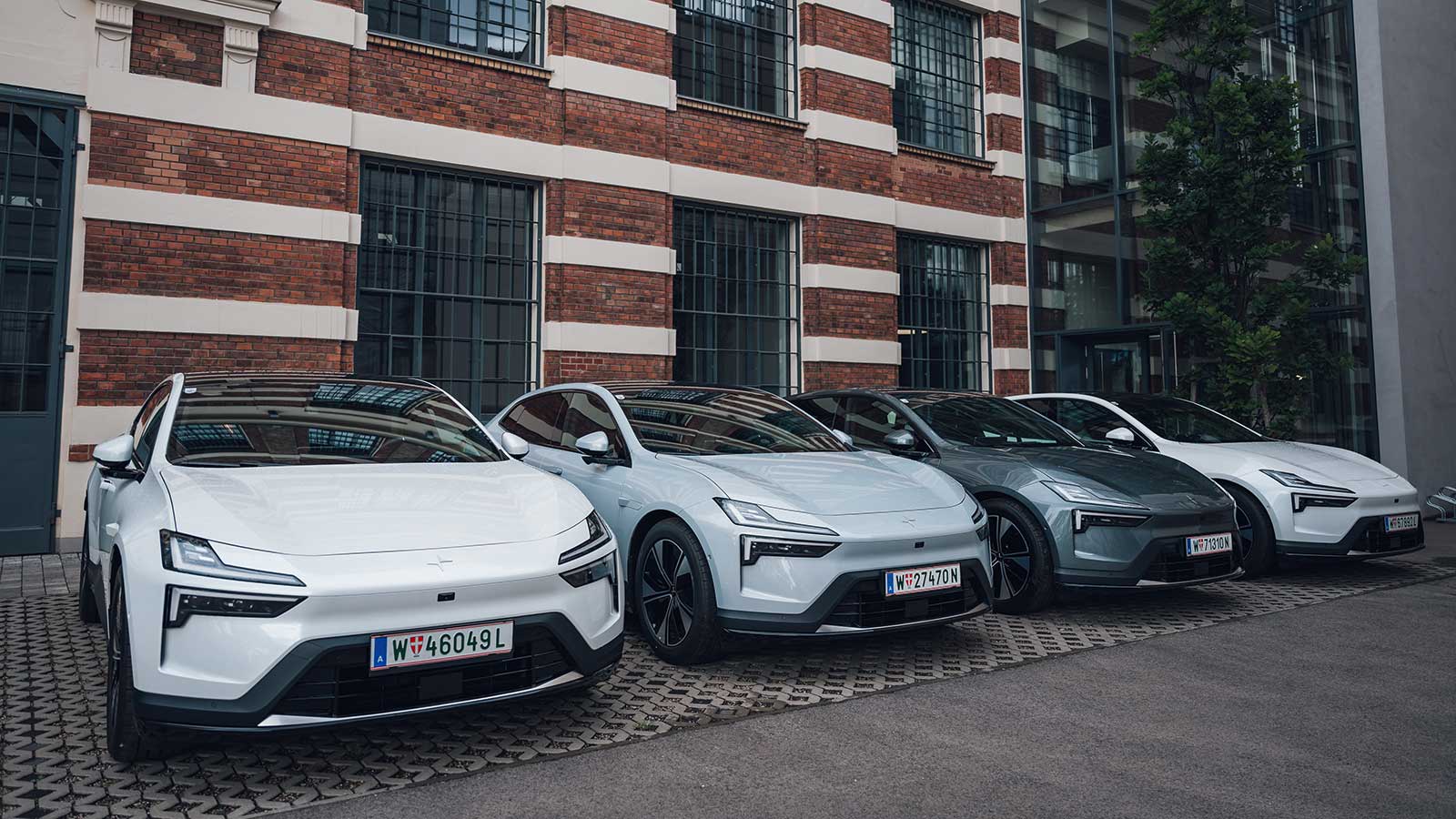
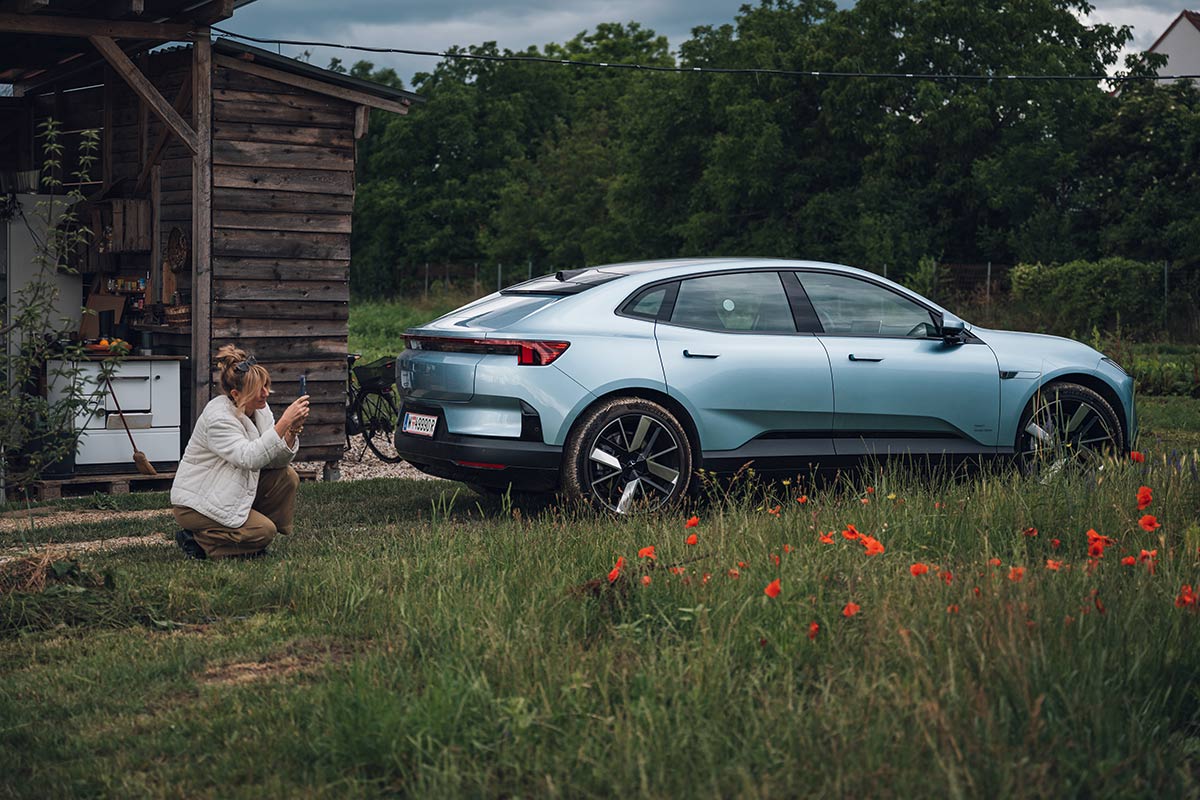
After arriving in the Polestar 4, the day began where so much has its origins: in the field. Amid the colorful vegetable beds, it quickly became clear that healthy food is unthinkable without healthy soil. The participants harvested together, tasted seasonal produce right there on the spot, and gained insights into regenerative agriculture and the mindful use of natural resources.
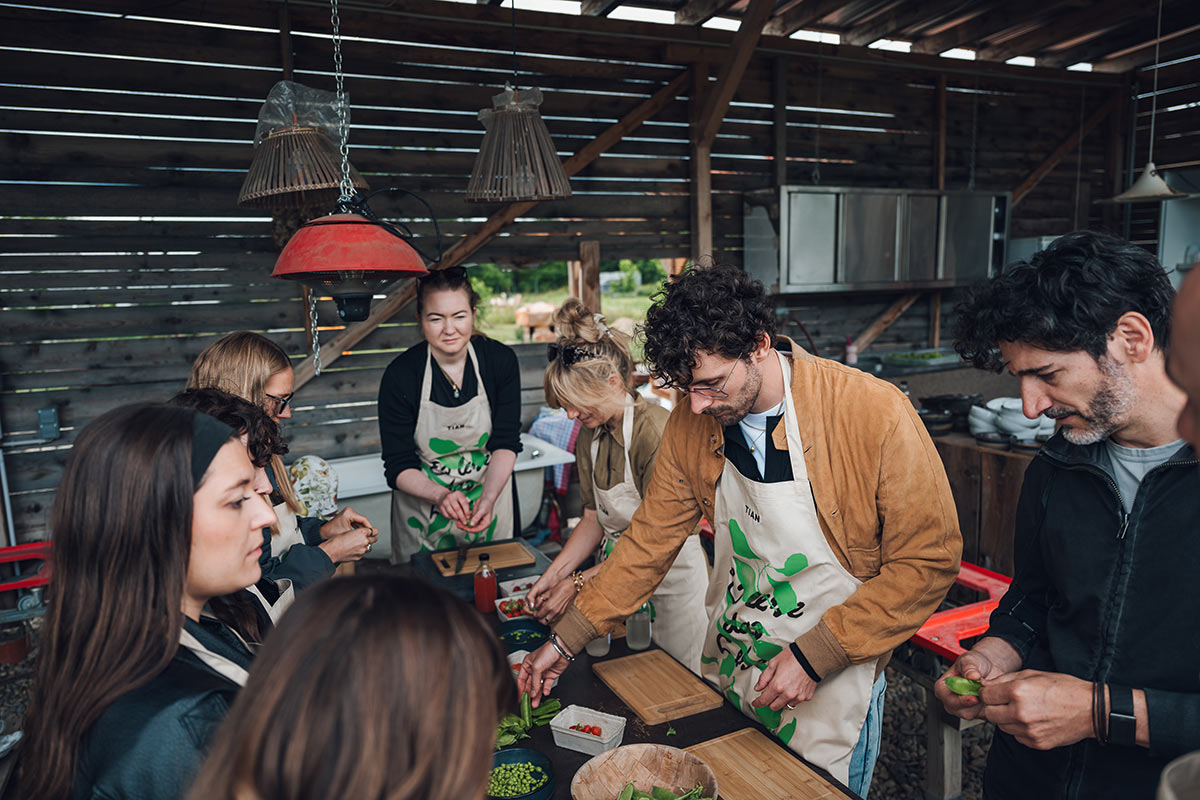
The harvest was then prepared together with Paul Ivić. The multi-award-winning chef, whose cuisine has for years been synonymous with a responsible approach to food, demonstrated that sustainability does not mean sacrifice, but rather paying attention: to origin, seasonality, and the many small decisions that make all the difference.

Sustainability as a Goal and a Task
It is precisely this idea that runs through Polestar’s philosophy. The Swedish electric car brand views sustainability not as a single product benefit, but as a responsibility that extends throughout the entire value chain—from material sourcing and production to transparency regarding the actual carbon footprint of its vehicles.
The company has set ambitious goals: By 2030, greenhouse gas emissions per vehicle sold are to be cut in half, and by 2040, Polestar aims to achieve climate neutrality across its entire value chain. The sustainability strategy is based on four pillars: climate, transparency, the circular economy, and inclusion.
The latest figures show that this goes beyond mere declarations of intent: Over the past five years, Polestar has reduced emissions per vehicle sold by 31 percent. This was made possible, in part, by the use of renewable energy in production and the increased use of low-carbon materials. At the same time, the “Polestar 0 Project” in Gothenburg is working on one of the industry’s most ambitious initiatives: a fully climate-neutral vehicle—without offsets—by 2035.
The day came to an atmospheric close at a long table in the greenhouse. What had been growing in the field that very morning was now enjoyed together—accompanied by conversations that brought together diverse perspectives.

Check out the latest Polestar models here .
Photos: © Polestar
You can also embrace sustainability through fashion: Here are our favorite vintage shops in Zurich.