
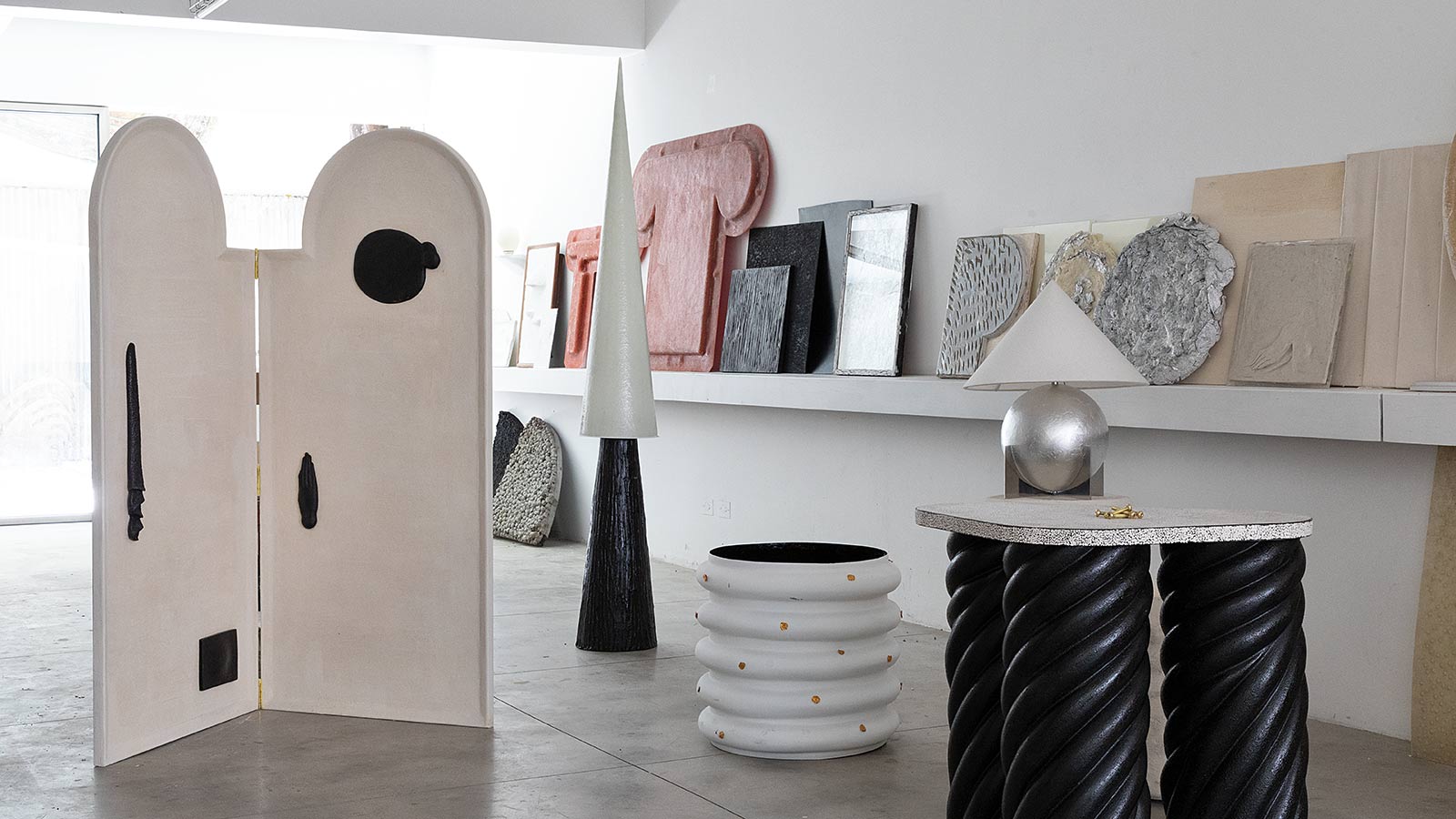
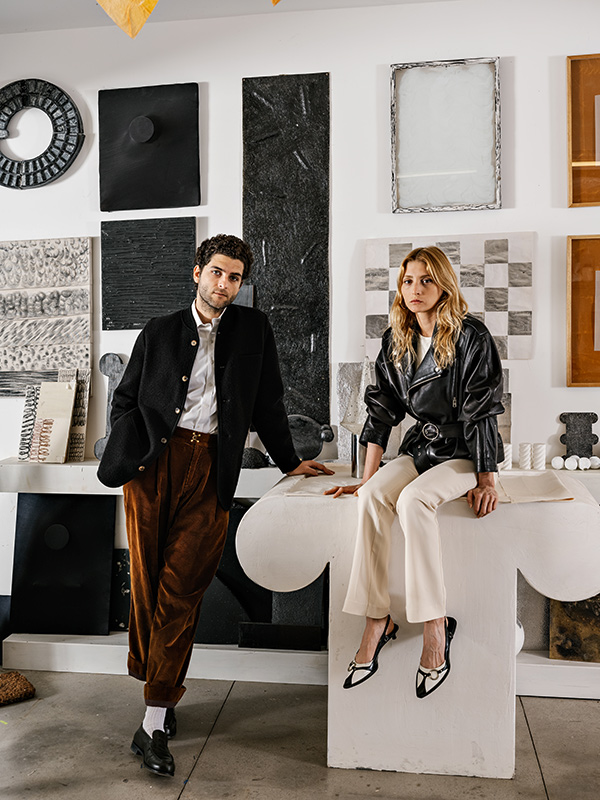
Eggshells, coconut fibers, candy wrappers? All of this can be furniture. Provided Cleo Döbberthin and Lorenzo Lo Schiavo put their hands to it. The artist and the architect founded the design studio Studio Palma in São Paulo. Their creations are sculptures, furnishings and experiments; a union between sense and sensuality. In this interview, the Brazilian duo answer our questions about their working process, São Paulo’s artistic hotspots and which key characteristics are often neglected by current design trends.
FACES: You often use unusual materials in your work. Is their selection rather random – lucky coincidence, so to speak – or the result of careful research?
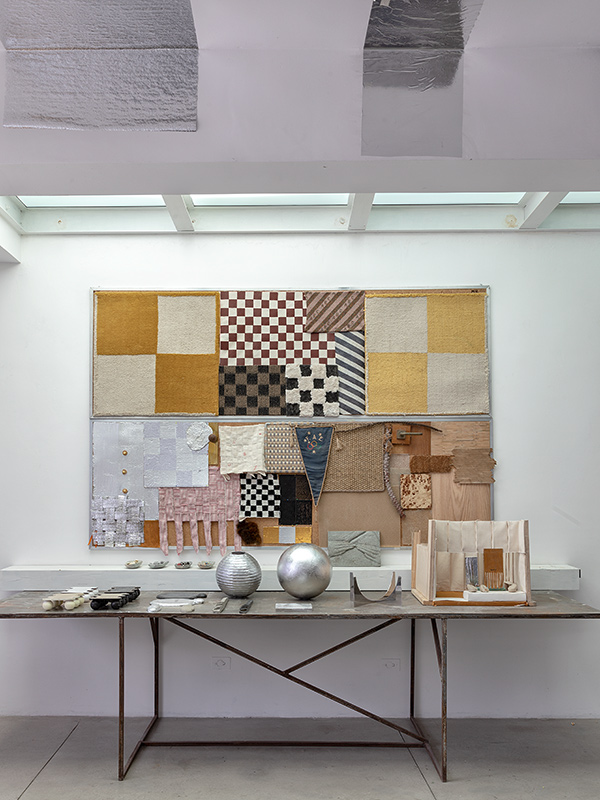
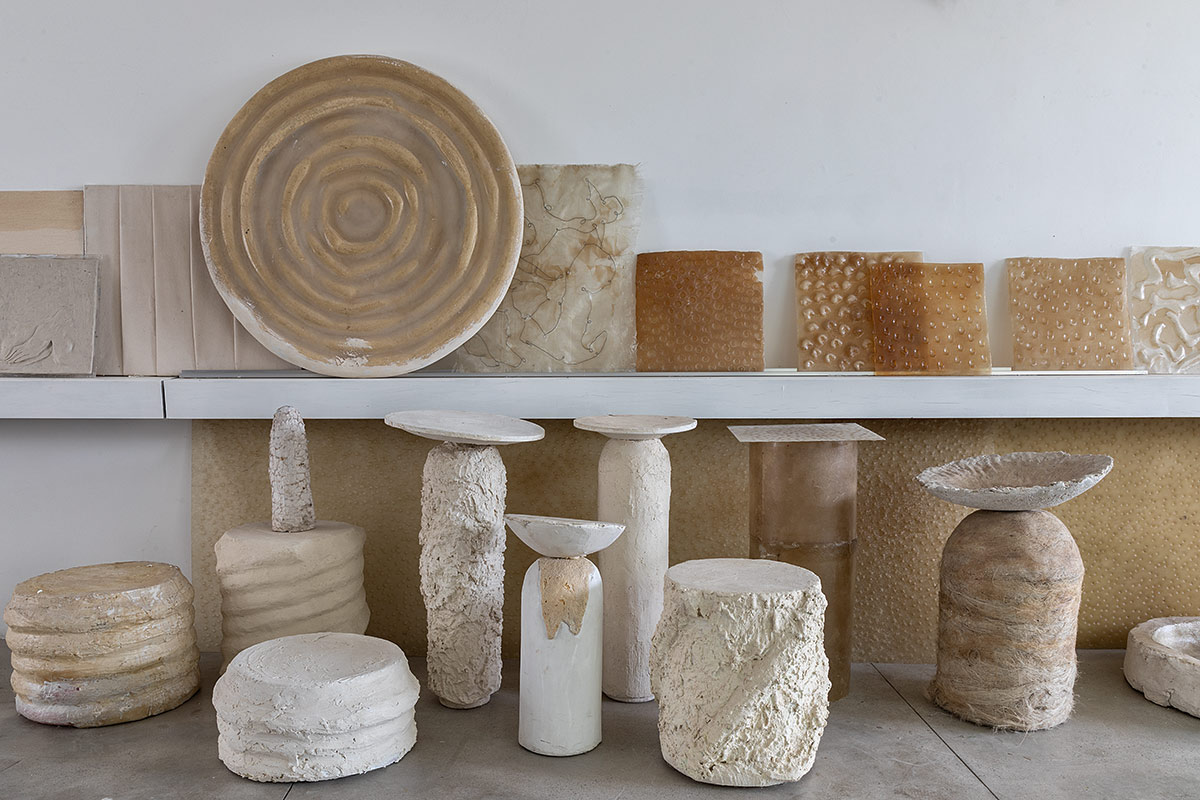
Studio Palma: Both, actually. We often deviate from traditional techniques that we have studied or come across and find ways to adapt them to our studio reality. That’s how we ended up working with eggshell mosaic, gilding, parchment and so on. Happy accidents also happen while we are making models or experimenting in the studio, mixing materials and using our intuition to achieve certain effects. This is how we developed our “faux marble” materiality, which we use for the B de Bola tables, for example.
F: You also keep an archive of special materials in your studio. How extensive is it?
SP: We have an ever-growing archive of materials, forms, techniques, tests, models, images, texts, books, ephemera, natural objects and so on. Our creative process is primarily about fusion, both physically and conceptually, and therefore our archive forms the core of our work. We are currently researching brass patina and surface treatments and combining these with painting and engraving; the boxes we presented at Collectible Brussels this year, for example, are the first finished results of this research.
F: How is a new object created at Palma Studio? Do you have a fixed procedure with a clear division of labor between the two of you? Or are there two points of view that slowly merge?
SP: Our working processes vary greatly, the only “unbreakable” rule is that a “no” from either of us is final for the time being, so the onus is on the other to defend their idea if it comes down to it until both are convinced. When we design a studio piece, we usually bring in a wide variety of inspirations that influence all aspects of the finished work – from the form to the materiality to the name. During this process, random things we’ve been working on or looking at come together naturally – as mystical as that may sound – and the piece begins to reveal itself in a way that seems almost inevitable.
Q : For two creatives with different professional backgrounds – Cleo as an artist, Lorenzo as an architect – what are the advantages and challenges of implementing a shared vision?
SP: For us, it’s essentially about realizing our ideas. Be it in architecture, interior design, furniture, sculptures and so on. We don’t pay much attention to these labels because we don’t think they play a role in the development of the work. The most important aspect of creating as a duo is the trust we place in each other’s hands and eyes; one suggests and designs while the other judges. This means that we share our ideas without owning them and allow each other to play with them – and this is when the most interesting part of the work emerges.
“Many design decisions today are based more on what looks good than on what feels good in the long term when you live in it or use it.”
F: What influences shape your aesthetic perception? Are there overlaps, or are these influences very different from each other?
SP: We really look everywhere, from Palladian villas to DIY craft magazines from the nineties. This diverse, or perhaps rather patchy, nature of our research adds depth to the end result. And as we said before, it’s amazing how we sometimes look at completely different things and yet they fit together perfectly.
Q: What kind of projects are you currently working on?
SP: We are currently working on a large residential project that we are designing almost from scratch. This is very exciting as it allows us to design on a wide variety of scales and uses. We recently designed our first restaurant, Le Freak, which recently opened in São Paulo and we are looking forward to more restaurant projects in our pipeline.
F: Your studio is located in the Barra Funda district of São Paulo, which has become a hotbed for creative talent. How does this community influence your work?
SP: We have been based in Barra Funda since the early days of Palma and actively collaborate with other creatives in the neighborhood for “Design na Barra Funda”. This is an annual weekend tour of studios, galleries, workshops and stores in the neighbourhood that we have been organizing since 2022. This diverse and growing creative community, apart from the traditionally industrial character of the neighborhood, allows us to be physically and personally close to most of our suppliers and thus to the work as it is created outside our studio.
Q: Which three places in Barra Funda should we definitely not miss when visiting?
SP: “Design na Barra Funda”, which takes place every November, is the perfect opportunity to get to know the neighborhood’s design scene. The Mendes Wood DM and Fortes D’Aloia & Gabriel galleries are also an absolute must. For design, there are also several places to go, such as the Aalvo Gallery, Verniz, RN Antiguidades, Quina Mobilia and many others. The Theatro São Pedro, a small opera house in the district that still offers a full program, is a gem. The nightlife in the neighborhood is thriving and new bars and small clubs are constantly popping up. Our studio and showroom can also be visited by appointment.
F: How would you describe the current trend in furniture and interior design? What is most important to people? What tends to be overlooked at the moment?
SP: We have the impression that the current direction in design is strongly influenced by the visual logic of social media. Platforms such as Instagram and Pinterest have accelerated the spread of references to such an extent that design trends now spread almost instantaneously around the world, leading to an increasing standardization of design ideas and spaces around the world. Many design decisions today are based on what looks good rather than what feels good to live in or use over time. Materials, colors and compositions are often chosen for their immediate visual impact on the screen rather than their tactile quality, durability or relationship to everyday life. What seems to be most important to people at the moment is recognizability and a sense of belonging to a particular aesthetic group – through spaces that communicate quickly and effectively through images. There is also a strong desire for identity, but paradoxically this identity is built through ad nauseam shared visual codes rather than truly personal narratives. Process, craftsmanship and the depth of materials – all aspects that cannot be seen in a photograph – currently seem to be overlooked. The relationship between objects and their use, ageing over time, local production contexts and subtle spatial atmospheres often receive less attention than they deserve. For us, one of the biggest challenges today is to re-establish a balance between design as image and design as lived experience and to create interiors that are visually appealing, meaningful, long-lasting and personal.
Q: And finally: What does a truly wonderful home need?
SP: Sincere intention and mindfulness. A certain obsession usually helps too. Jorge Amado’s house in Salvador, Yves Saint Laurent and Pierre Bergé’s apartment in Rue de Babylone, the Palais Stoclet in Brussels, Eduardo Longo’s Casa Bola in São Paulo, the Studiolo of the Duke of Urbino in Gubbio, to name but a few, are all examples of places that have been carefully designed and composed with the above principles in mind.
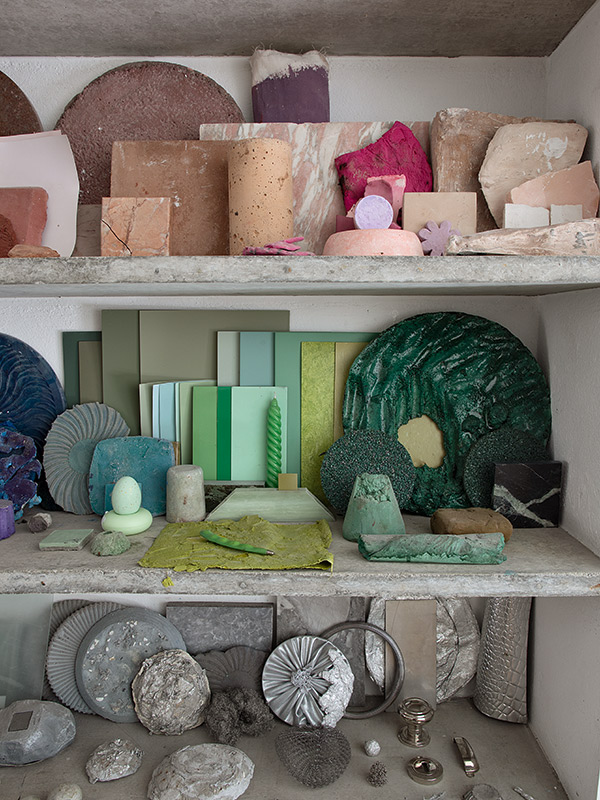
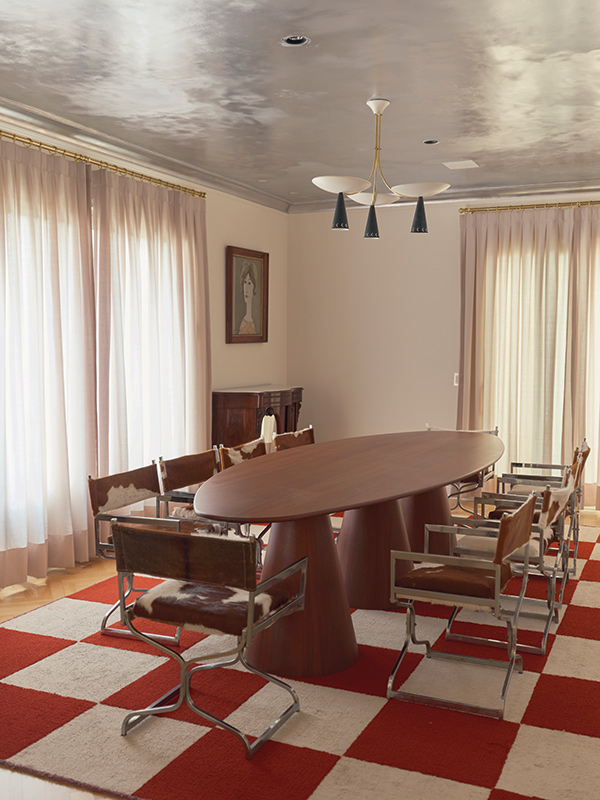
Studio Palma
Four palmas, one studio: in Portuguese, palma means the palm of the hand. Cleo Döbberthin and Lorenzo Lo Schiavo use these to work unusual materials into extraordinary objects. Whether bronze or stamps, the design duo from São Paulo use them to create rooms, furniture and everyday objects. The sensibilities of the architect and the artist merge into a shared vision that combines practicality and sensuality. palmapalma.com.br
Here you can see what the design duo is currently working on.
Photos: Fran Parente (Portrait), Ruy Teixeira (Studio)
You can find more news and favorites from the design world here.