
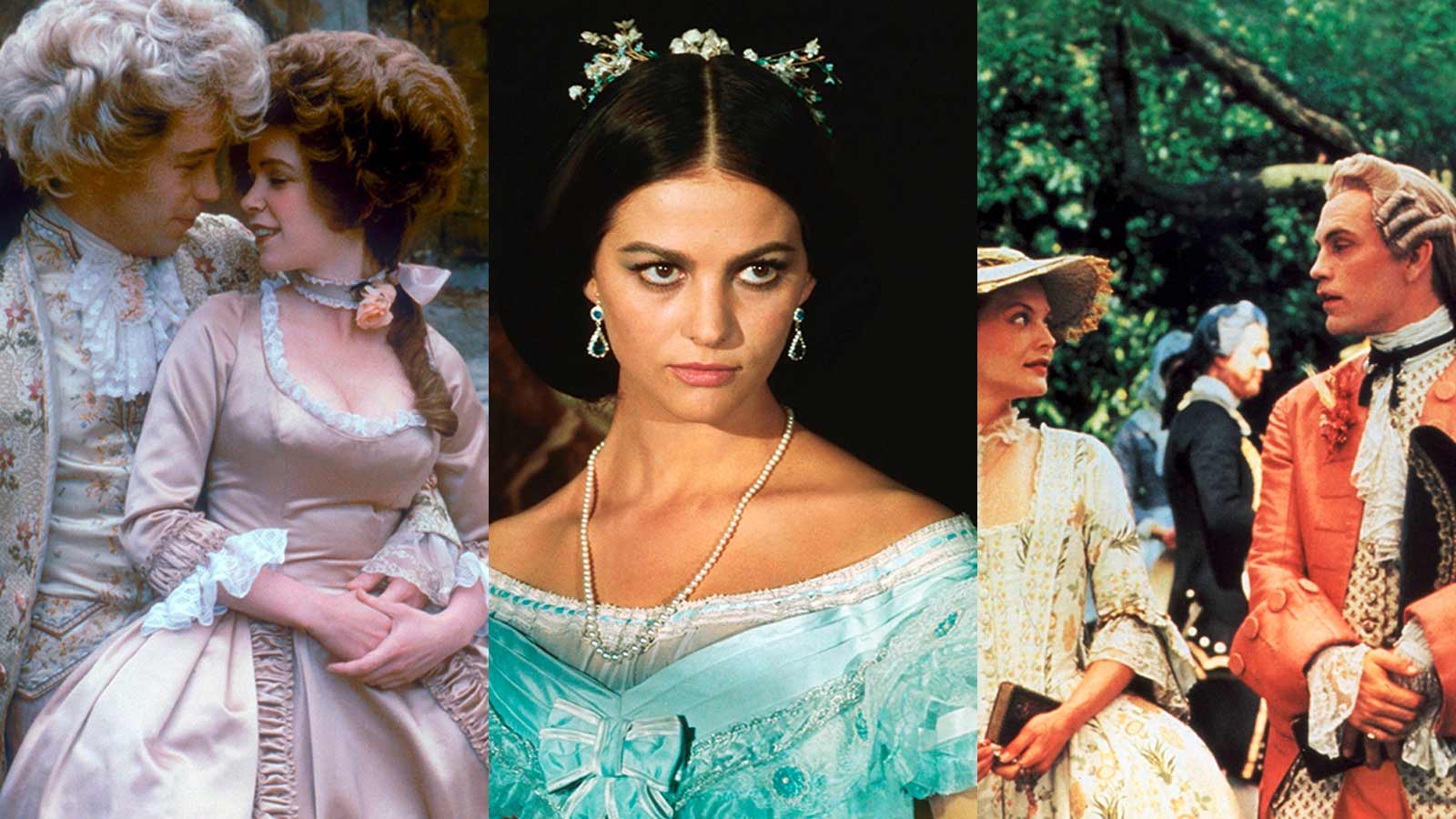
Emerald Fennell’s adaptation of “Wuthering Heights” with Margot Robbie as Cathy and Jacob Elordi as Heathcliff is causing heated debate. A central point of criticism: the historical accuracy of the costumes. Or rather: their deliberate deviation from the expected. Some viewers hardly feel fashionably transported back to the late 18th century, in which Emily Brontë’s only novel is set. The FACES editorial team has curated twelve other historical films that have been a talking point, not least because of their opulent wardrobes.
The costumes in Emerald Fennel’s (“Promising Young Woman”, “Saltburn”) adaptation of “Wuthering Heights” have about as much in common with the fashion of the late 18th century as the story of the film has with Emily Brontë’s novel of the same name – namely only to a limited extent. Visually, however, they often provide a spectacle on the screen. Just like the wardrobes of the following costume dramas.
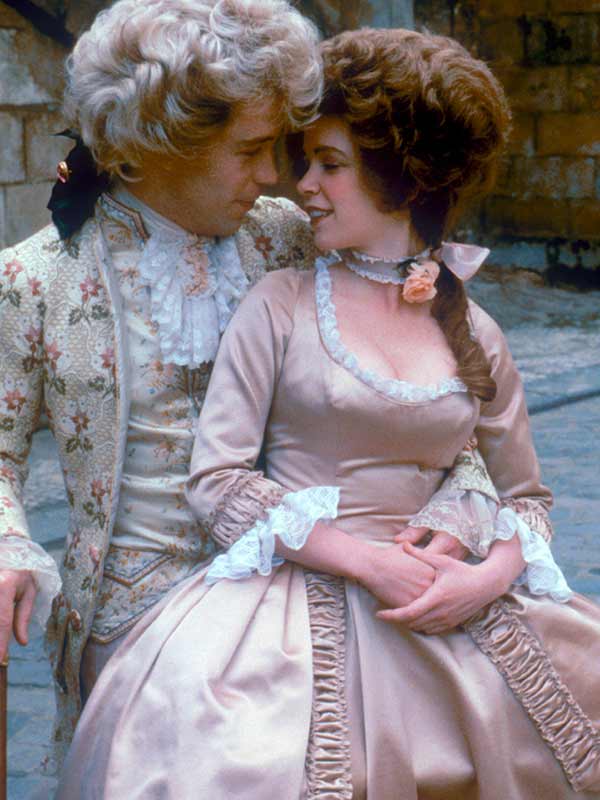
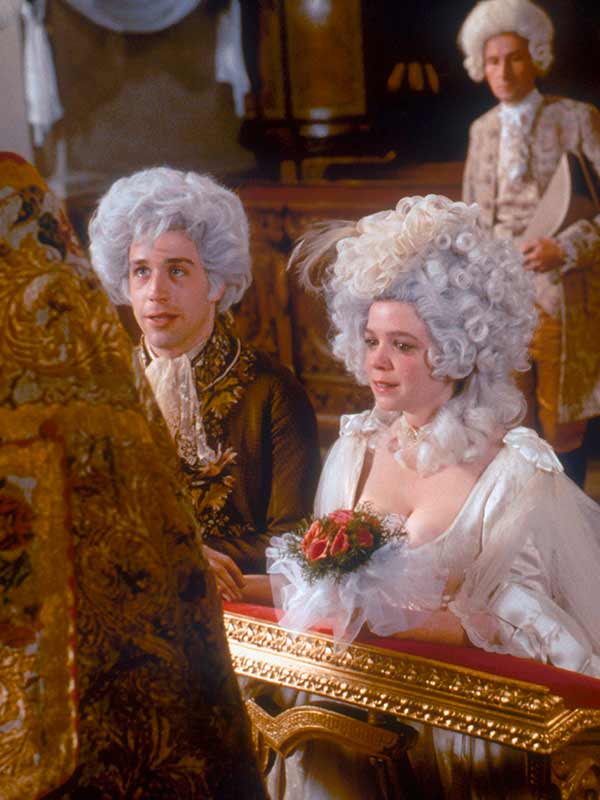
“Amadeus“, Miloš Forman, 1984
As everyone has known since Falco at the latest, Wolfgang Amadeus Mozart was a superstar, popular and so exalted, because he had flair. And not everyone got along with that: this film drama deals with the rivalry between the iconic composer (Tom Hulce) and his rival Antonio Salieri (F. Murray Abraham). Theatrical wigs, brocade fabrics and the detailed court wardrobe characterize the image of an opulent, musically and visually exuberant era, transporting us directly to 18th century Vienna. Century. The visual crescendo by Czech costume designer Theodor Pištěk was awarded the Oscar for Best Costume Design. The film itself picked up eight of the coveted golden men.
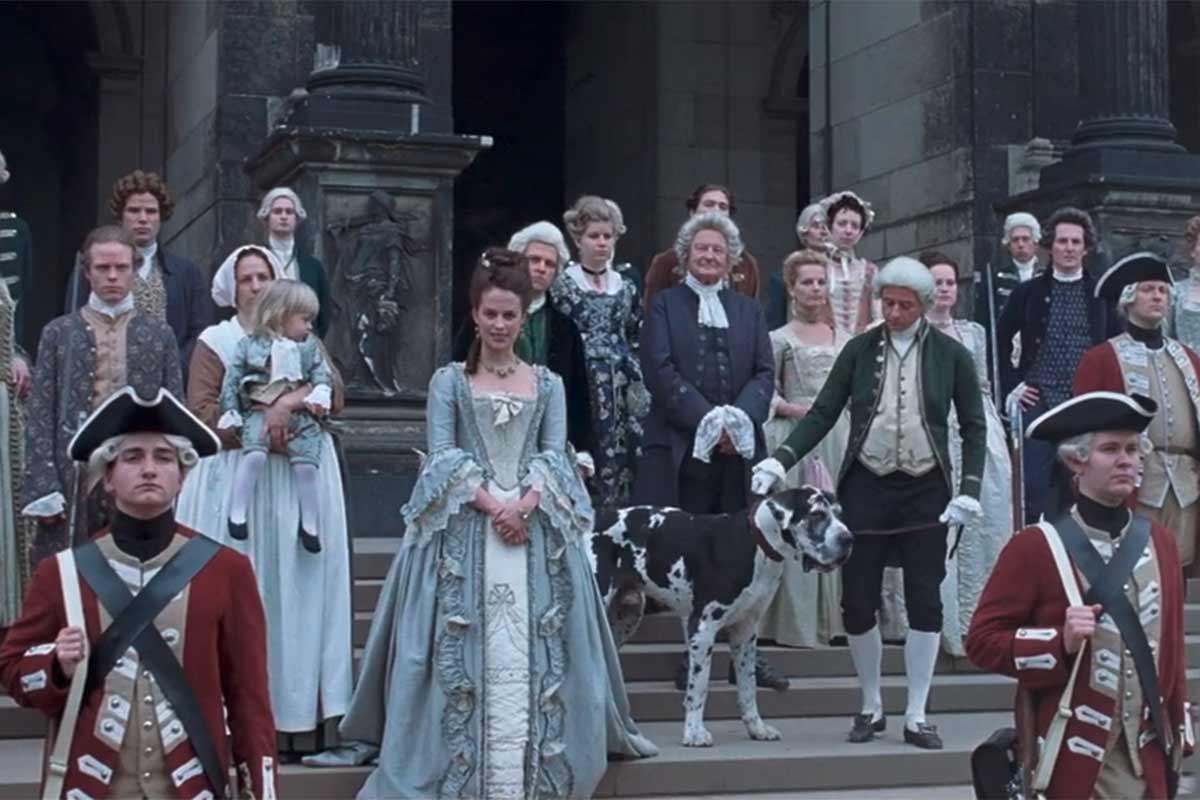
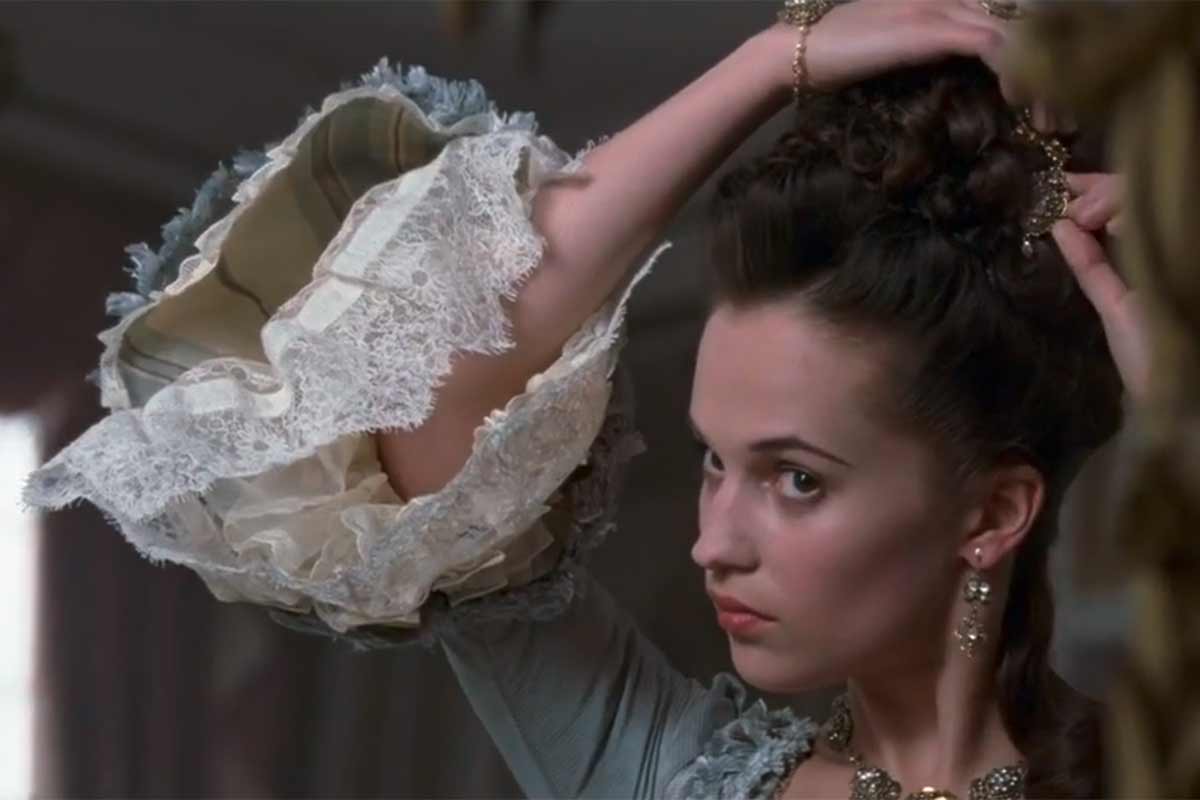
“A Royal Affair“, Nikolaj Arcel, 2012
In 18th century Denmark, Queen Caroline Mathilde (Alicia Vikander) falls in love with the personal physician Johann Friedrich Struensee portrayed by Mads Mikkelsen – who can blame her. The detailed court fashion, created by Danish designer Manon Rasmussen, reflects social hierarchies and political upheavals without slipping into the decorative. Some of the costumes were adapted from earlier productions – such as “Casanova” with Heath Ledger – but fit harmoniously into the overall picture here.
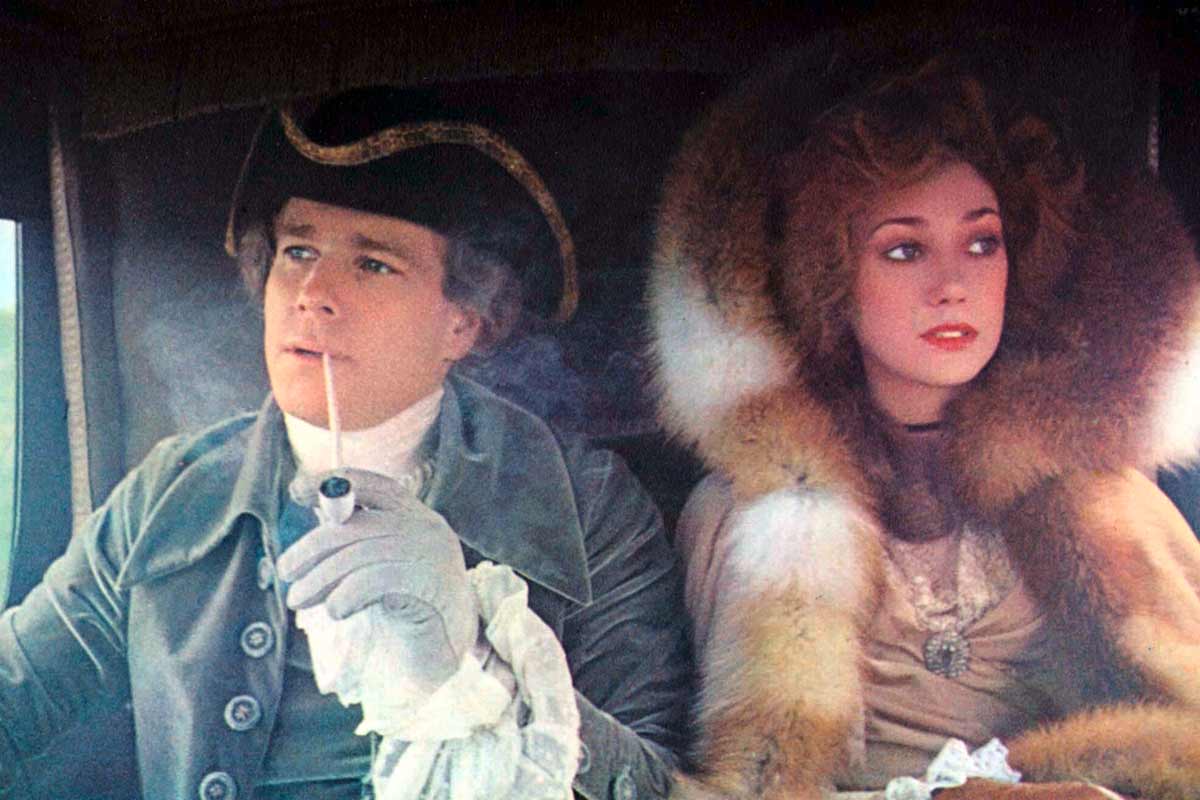
“Barry Lyndon“, Stanley Kubrick, 1975
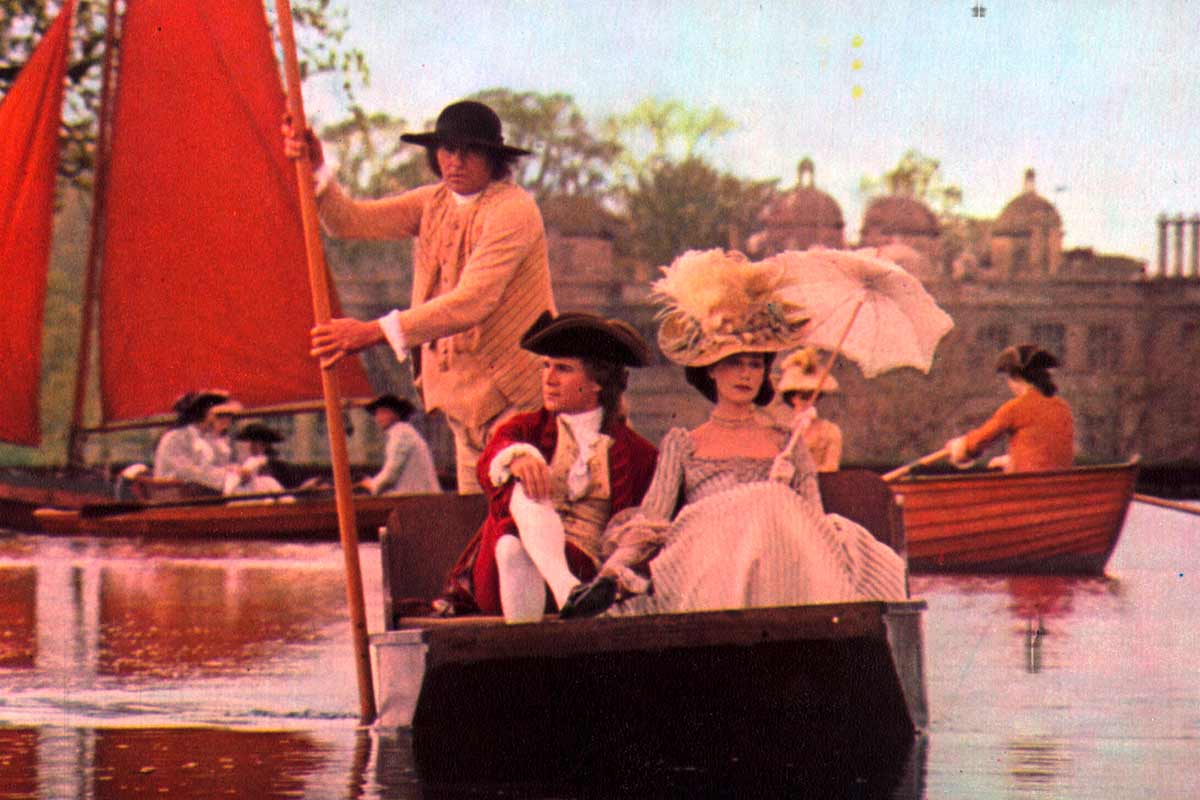
Stanley Kubrick’s visual masterpiece tells the story of the rise and fall of a soldier of fortune (Ryan O’Neal) in the 18th century – between the Seven Years’ War and the beginning of the French Revolution. The costume designers Milena Canonero and Ulla-Britt Söderlund, to whom we owe the hyper-precise Rococo looks, rightly won the Oscar for Best Costume Design in 1976. The two were inspired by paintings by the great painters William Hogarth and Thomas Gainsborough. Kubrick (“Shining”, “Clockwork Orange”, “Full Metal Jacket”) used original costumes and had the additional wardrobe tailored from historical fabrics. The technical sophistication is also famous: Night scenes were created using lenses specially developed for NASA by technology company Zeiss – shot by candlelight. The work is based on the novel “The Memoirs of Junker Barry Lyndon” by William Makepeace Thackeray, published in 1844.
“Dangerous Liaisons“, Stephen Frears, 1988
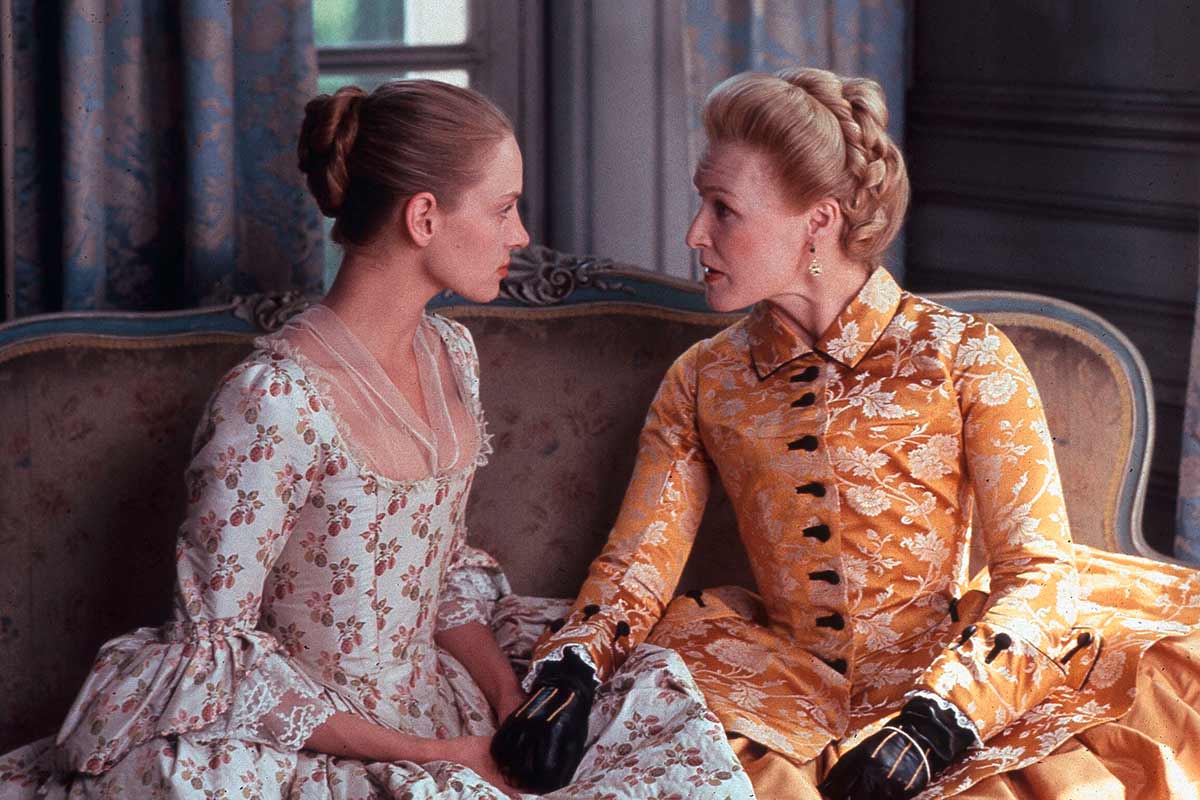
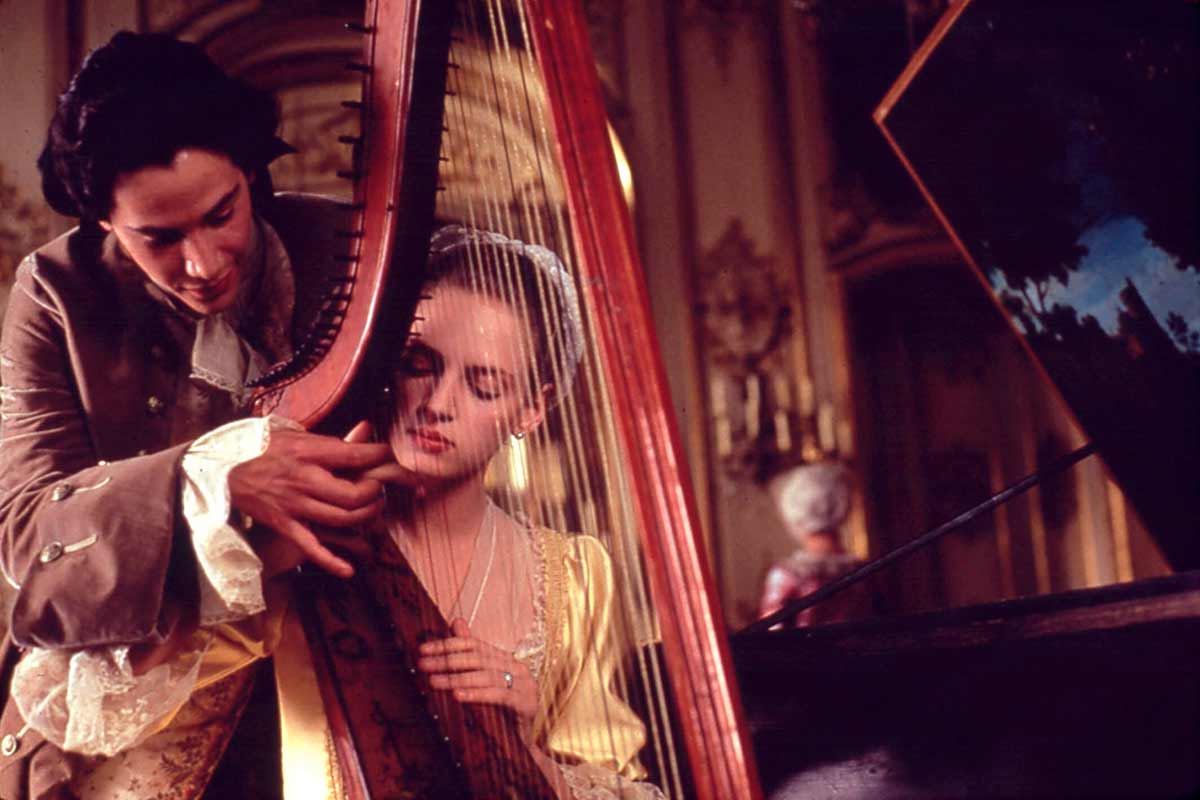
Silk and lace as weapons: in France before the revolution, two aristocrats manipulate their surroundings out of lust for power and boredom. The lavish rococo wardrobe underlines the perfidious intrigue, based on the epistolary novel of the same name by Choderlos de Laclos. The cast, including Glenn Close, Michelle Pfeiffer, Keanu Reeves and Uma Thurman, lends the costume drama additional radiance. The calculated seduction promptly worked for us – and at the Oscars too. If you are interested but just can’t warm to historical films, we recommend “Cruel Intentions” from 1999. A loose, modern adaptation of the same drama with equally well-known faces such as Sarah Michelle Gellar and Reese Witherspoon.
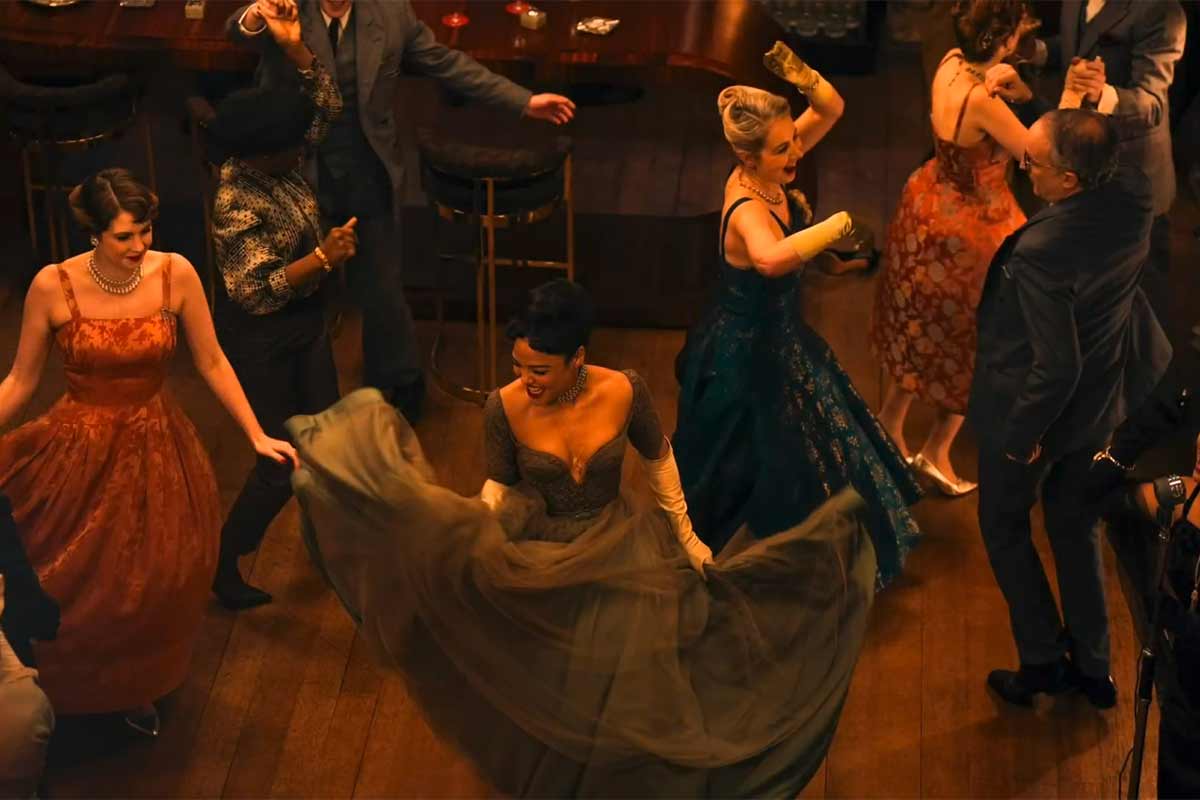
“Hedda“, Nia DaCosta, 2025
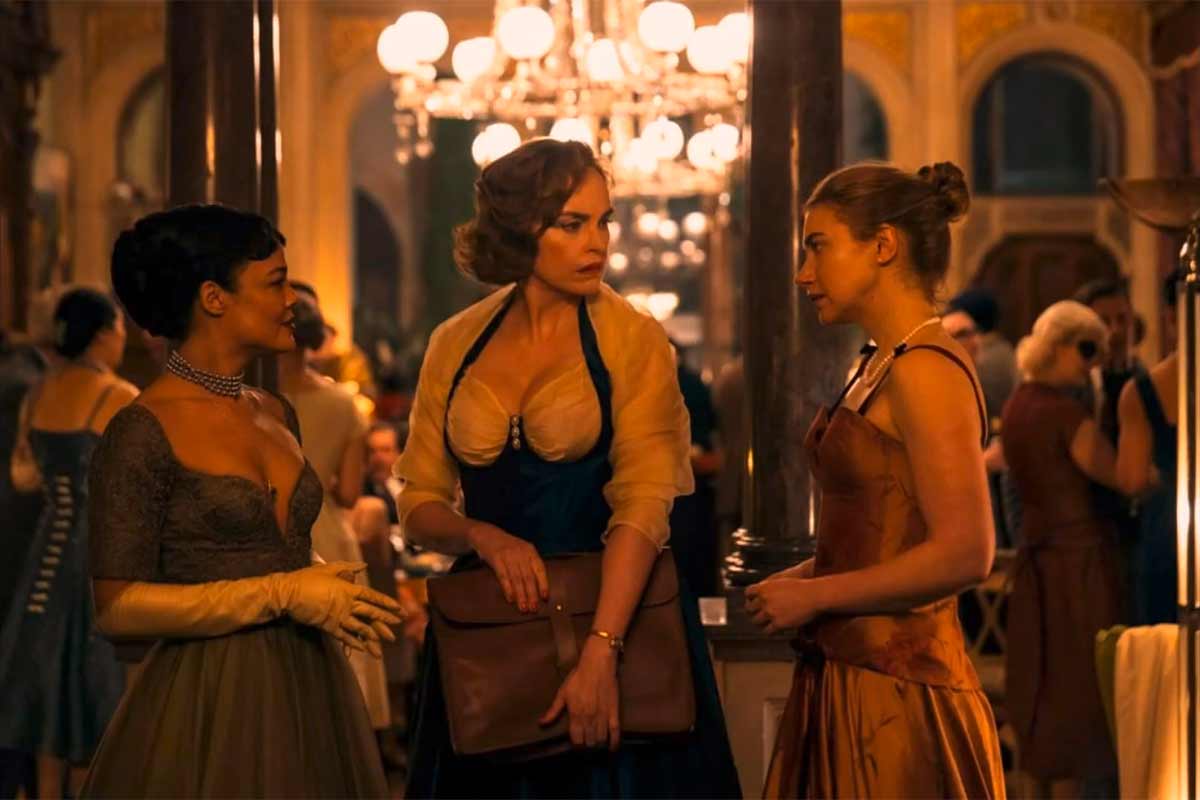
In this new adaptation of Henrik Ibsen’s play “Hedda Gabler” we follow the unhappily married title character, played by Tessa Thompson, as the social drama in the mansion comes to a head An extravagant melodrama is inevitable. All we can say is: no wonder costume designer Lindsay Pugh was nominated in the best costume category at the 2026 Critics’ Choice Movie Awards.
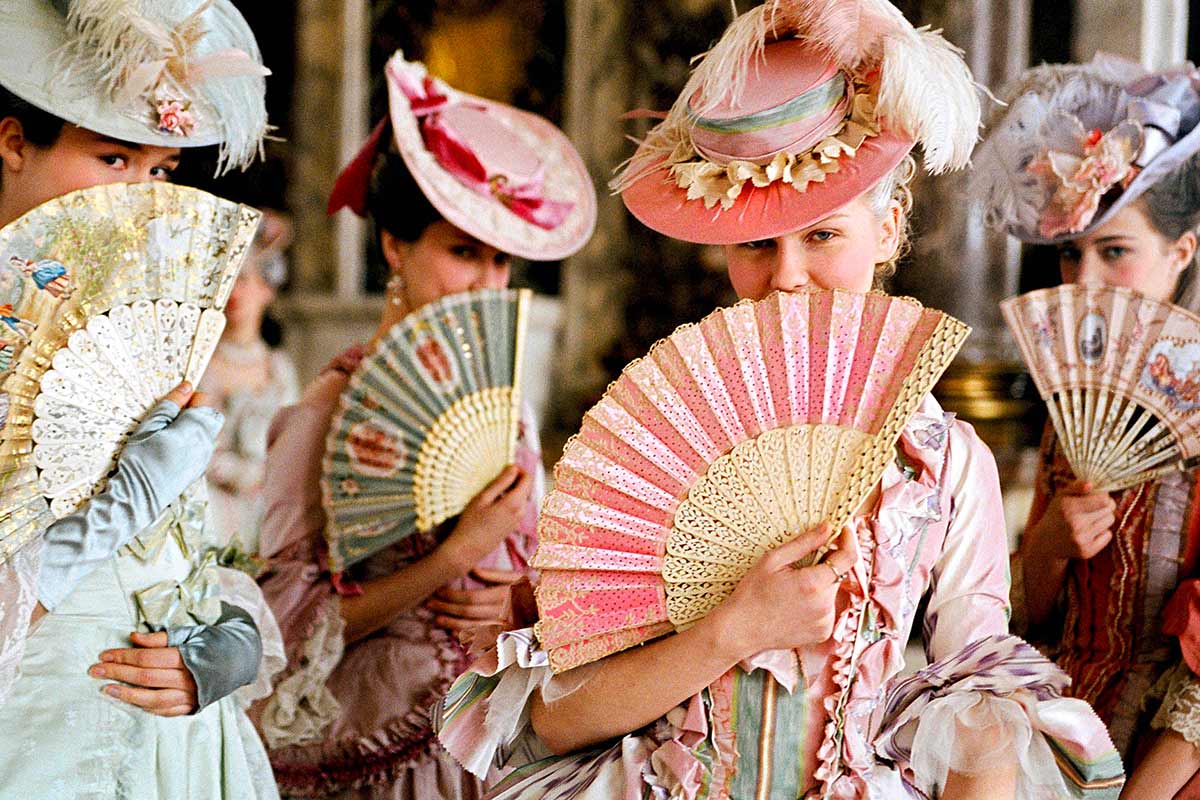
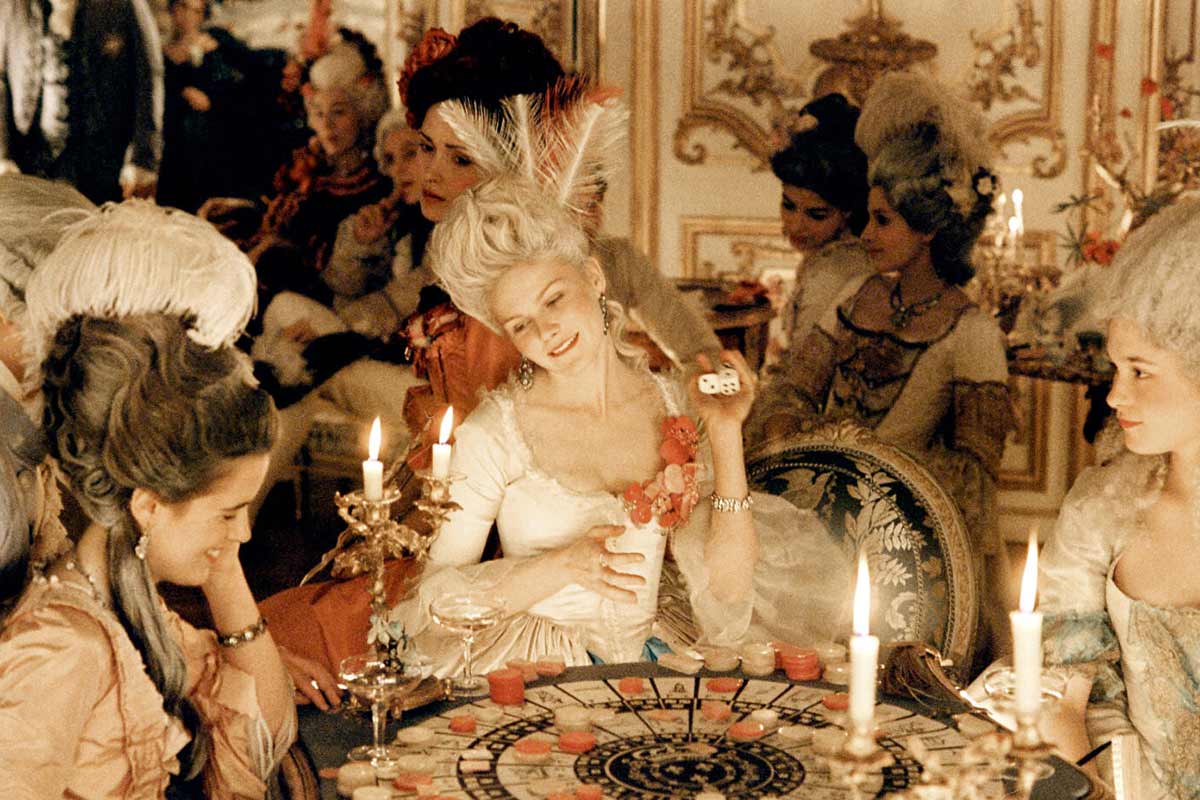
“Marie Antoinette“, Sofia Coppola, 2006
Pastel-colored couture in a rococo setting, accompanied by a soundtrack from the noughties, with fabulous new wave needle drops from bands such as The Cure and New Order: this film by successful director Sofia Coppola (“The Virgin Suicides”, “Lost in Translation”) follows the young Austrian Archduchess (Kirsten Dunst) from her arrival in Versailles to the French Revolution.
Italian costume designer Milena Canonero took her cue from historical rococo, but deliberately used modern color dramaturgy and pop culture accents – including the iconic Converse moment. An Oscar for best costume design followed promptly.
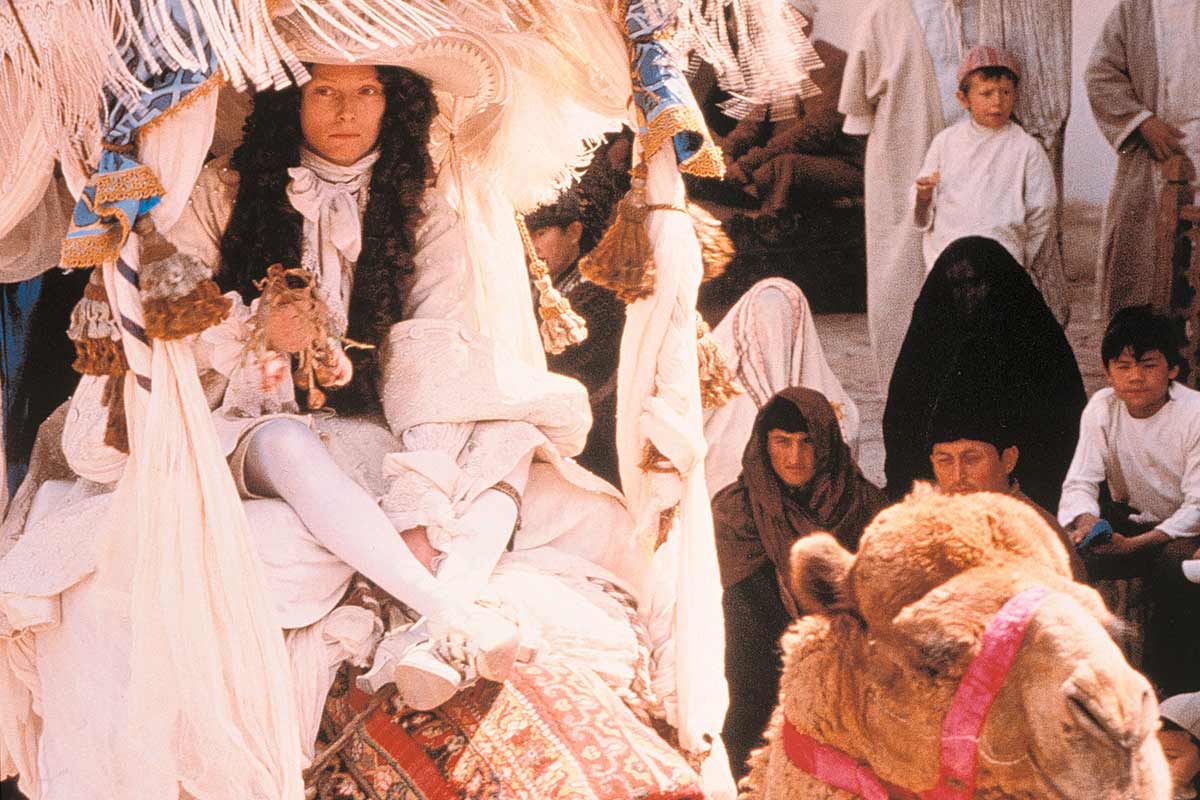
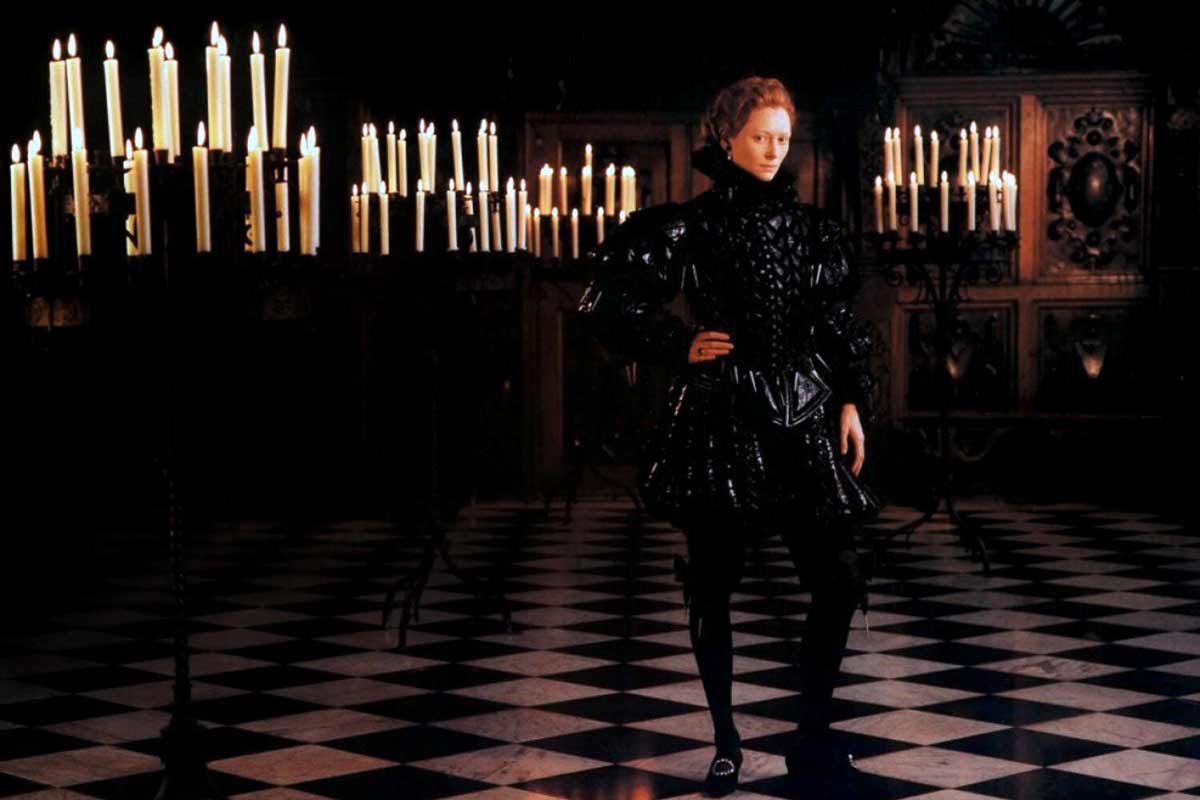
“Orlando“, Sally Potter, 1992
Based on Virginia Woolf’s novel of the same name, which was inspired by her relationship with writer Vita Sackville-West, Orlando (Tilda Swinton) lives across the centuries, constantly changing gender and identity. Costume designer Sandy Powell – who was nominated for an Oscar for the first time for this work – traverses several eras from the Elizabethan court to the 20th century with her designs and playfully implements the characteristic fashion of each era.
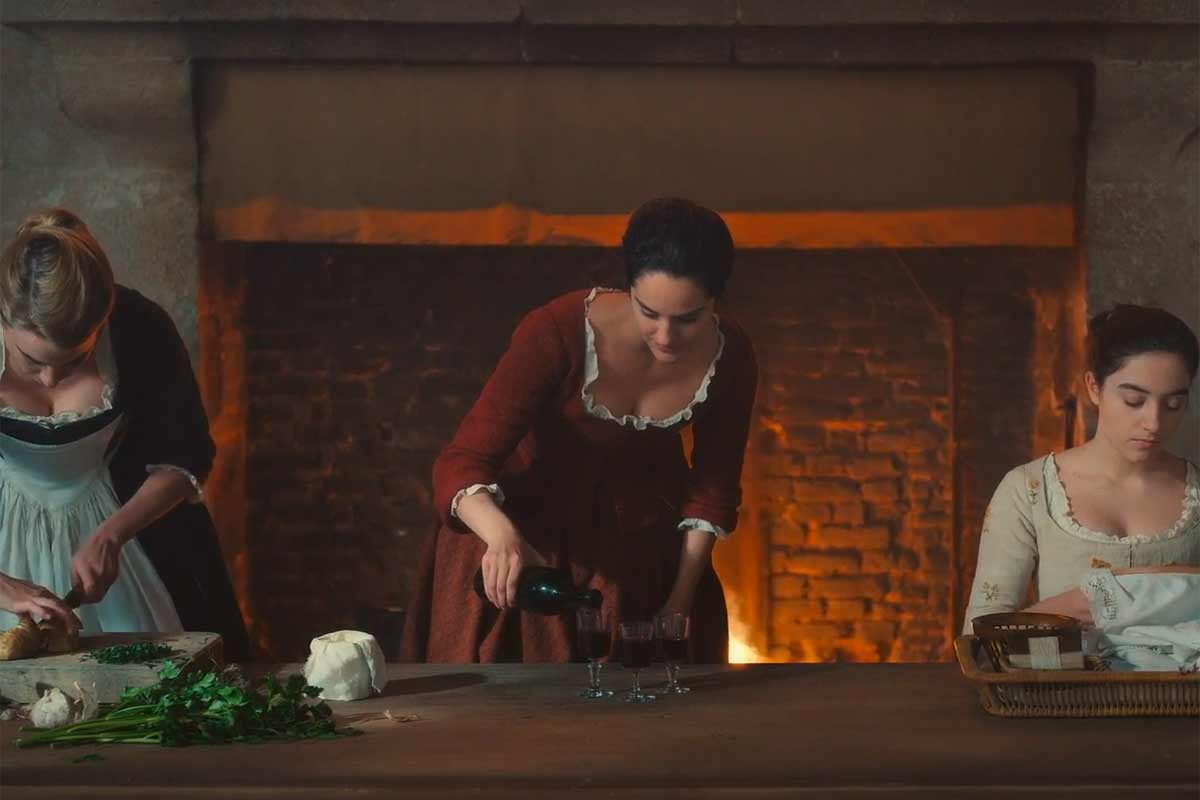
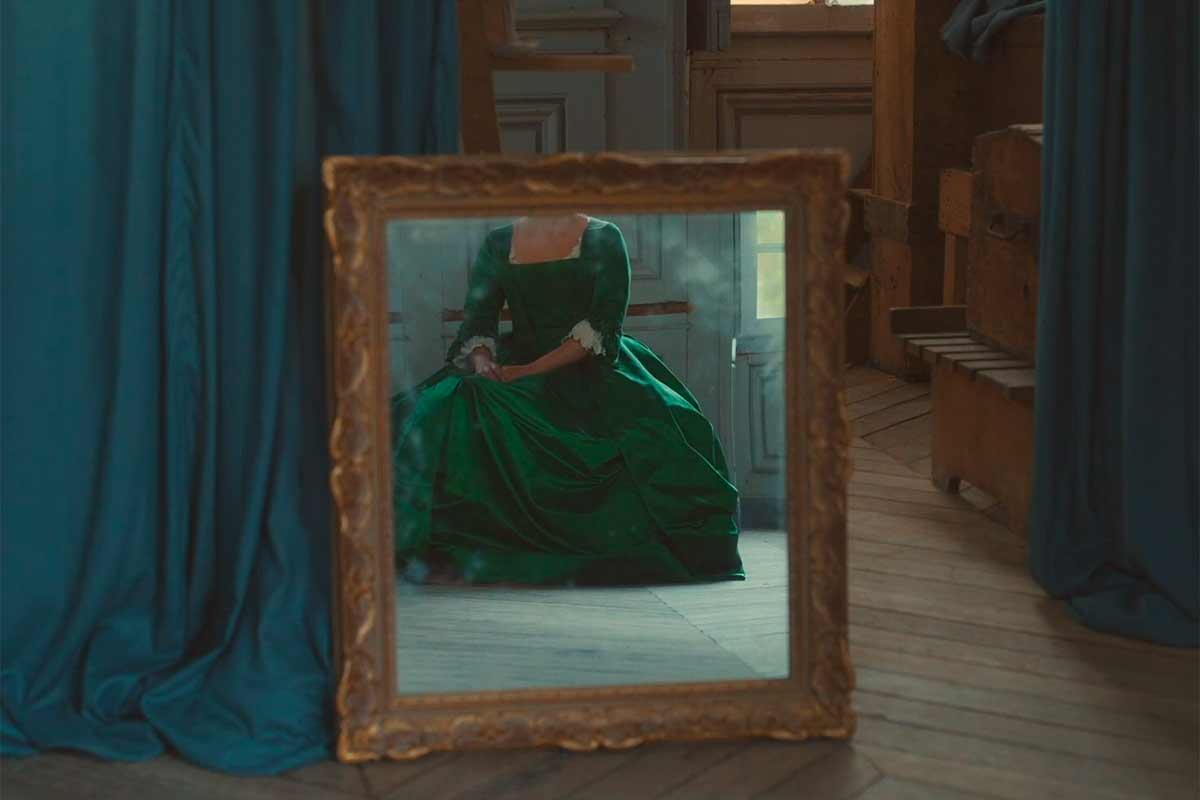
“Portrait of a Lady on Fire“, Céline Sciamma, 2019
In Brittany, painter Marianne (Noémie Merlant) falls in love with her model Héloïse (Adèle Haenel). The latter, however, is to be married off against her will. While the two protagonists fall in love (literally, as secret glances play a major role), we lose our hearts to the romantic costumes. Historically set in the late 18th century, heavy fabrics and corset structures are reminiscent of the social restrictions of the time. The iconic emerald green dress was deliberately chosen by director Céline Sciamma and functions as a symbol of life and renewal in her self-proclaimed “Manifesto for the Female Gaze”. The French costume designer Dorothee Guiraud consciously ensured that the dresses were realistic for the 18th century, but dispensed with details typical of the period, such as embroidery, in order to create symbolic clarity.
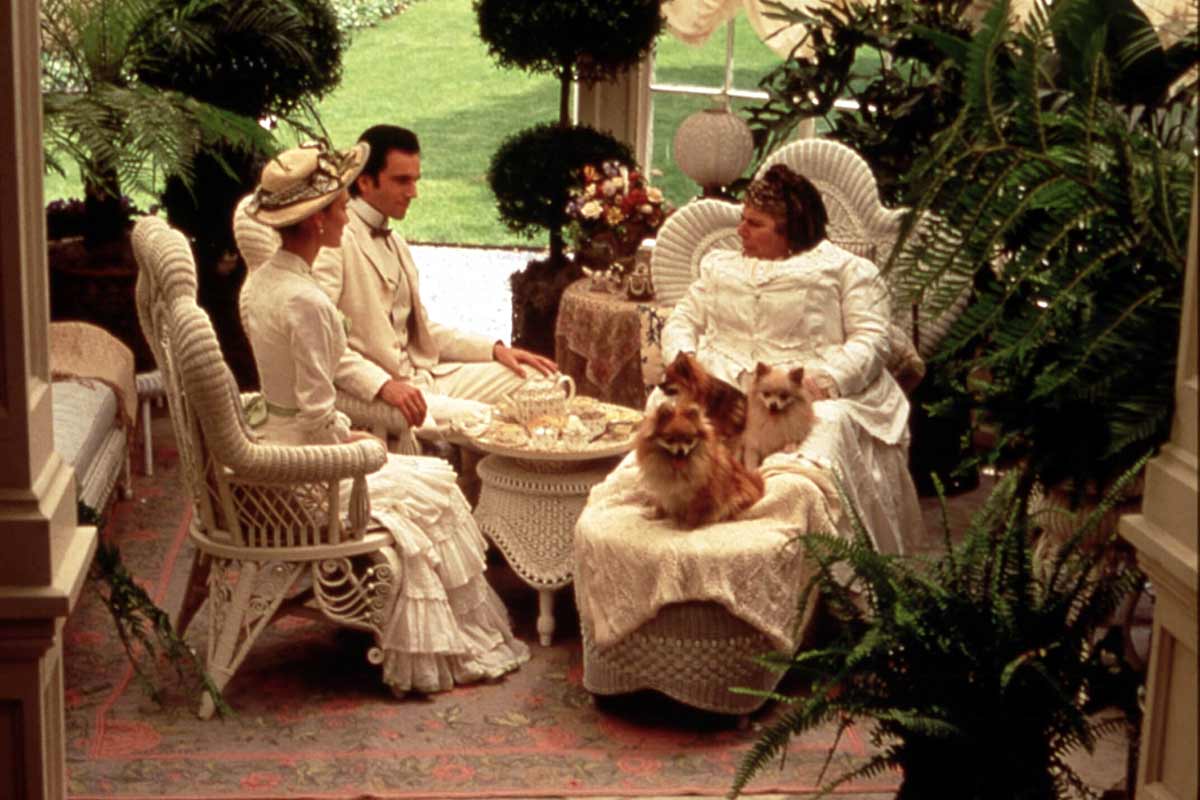
“The Age of Innocence“, Martin Scorsese, 1993
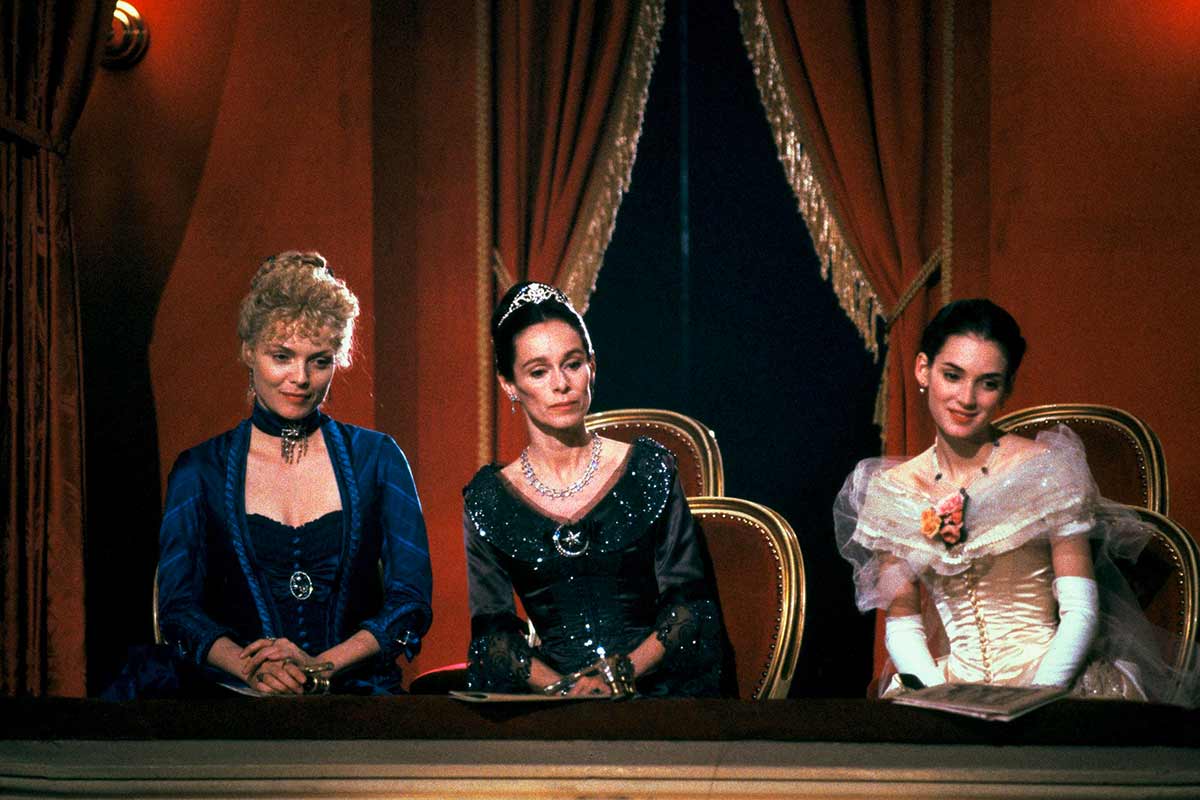
New York high society in the 19th century: in this drama based on Edith Wharton’s novel of the same name, clothing in the form of lace collars, gloves and heavy fabrics becomes a symbol of social control. It follows a love triangle between the main characters played by Daniel Day-Lewis, Michelle Pfeiffer and Winona Ryder. This film by star director Martin Scorsese (“GoodFellas”, “Taxi Driver”), who is otherwise known for his gangster films, was also unsurprisingly awarded an Oscar for best costume design. The Italian costume designer Gabriella Pescucci is to be thanked for this.
“The Favourite“, Yorgos Lanthimos, 2018
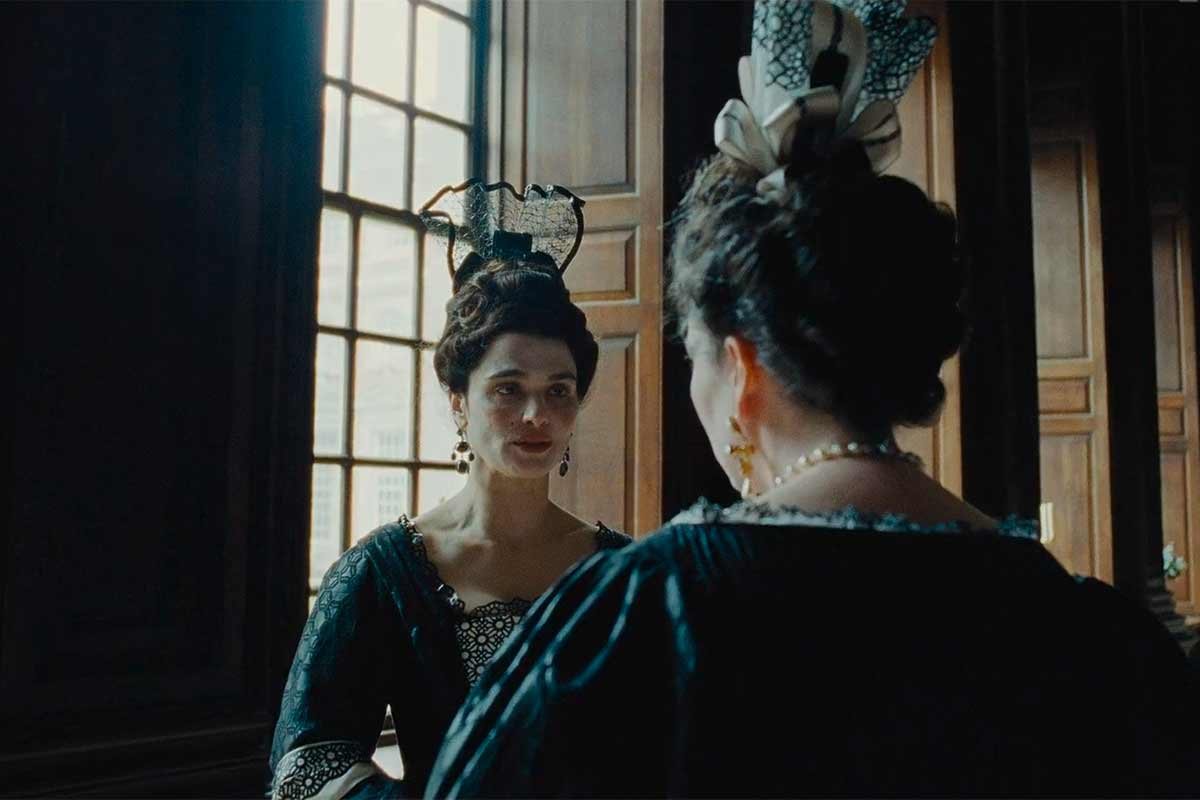
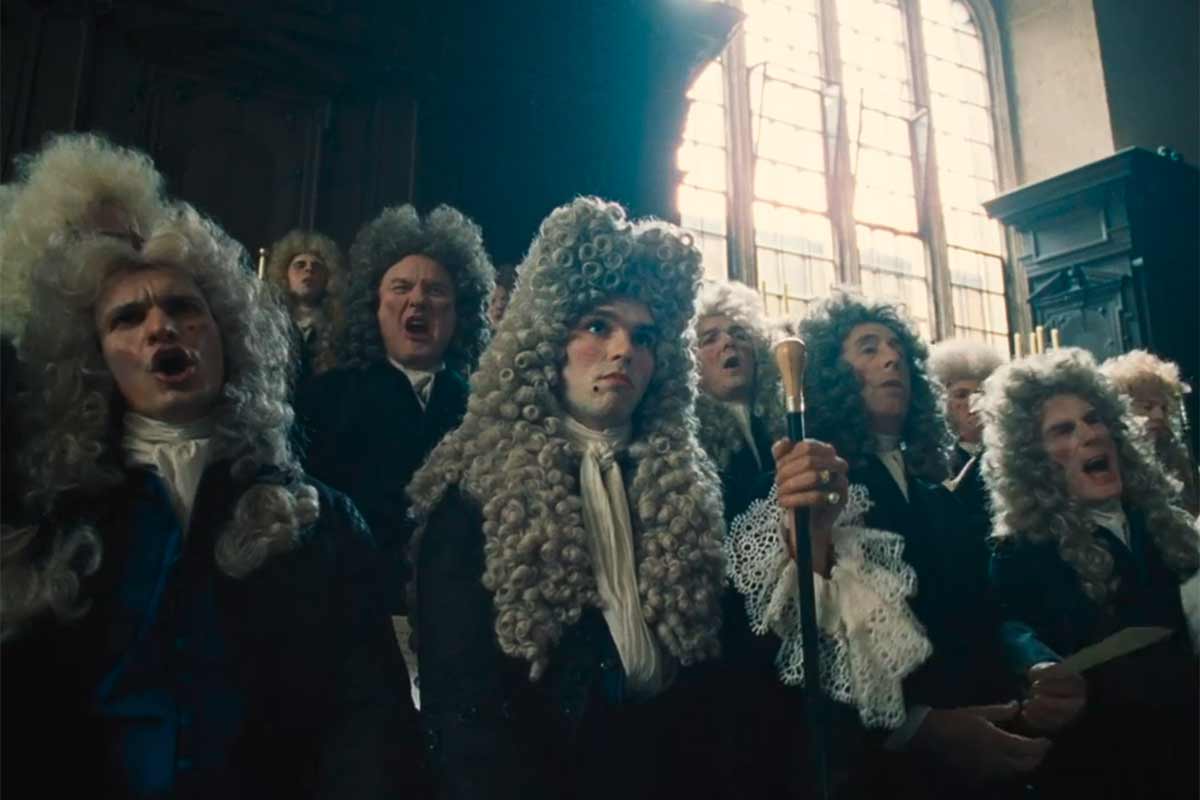
We know and love Yorgos Lanthimos (“Bugonia”, “The Lobster”) for his “aesthetics of discomfort”, which also comes through well in this historical film. The setting is the English royal court in the early 18th century. Here, the maids Abigail (Emma Stone) and Sarah (Rachel Weisz) vie for the heart of Queen Anne (Olivia Colman), with intrigue, envy and betrayal all on the agenda. Costume designer Sandy Powell, who has already appeared on this list, interpreted the early 18th century in a deliberately pared-down manner and predominantly in black and white. A stylized but historically grounded reinterpretation of courtly fashion that earned her several awards.
“The Handmaiden“, Park Chan-wook, 2016
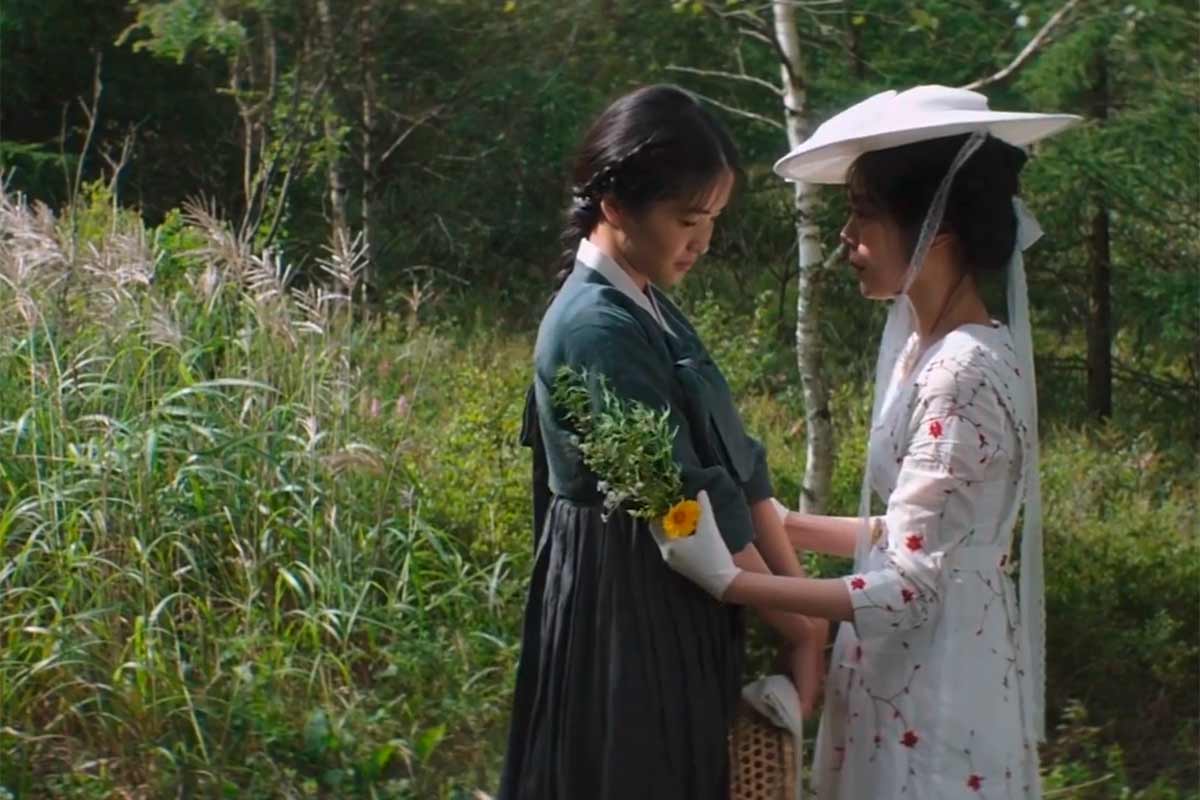
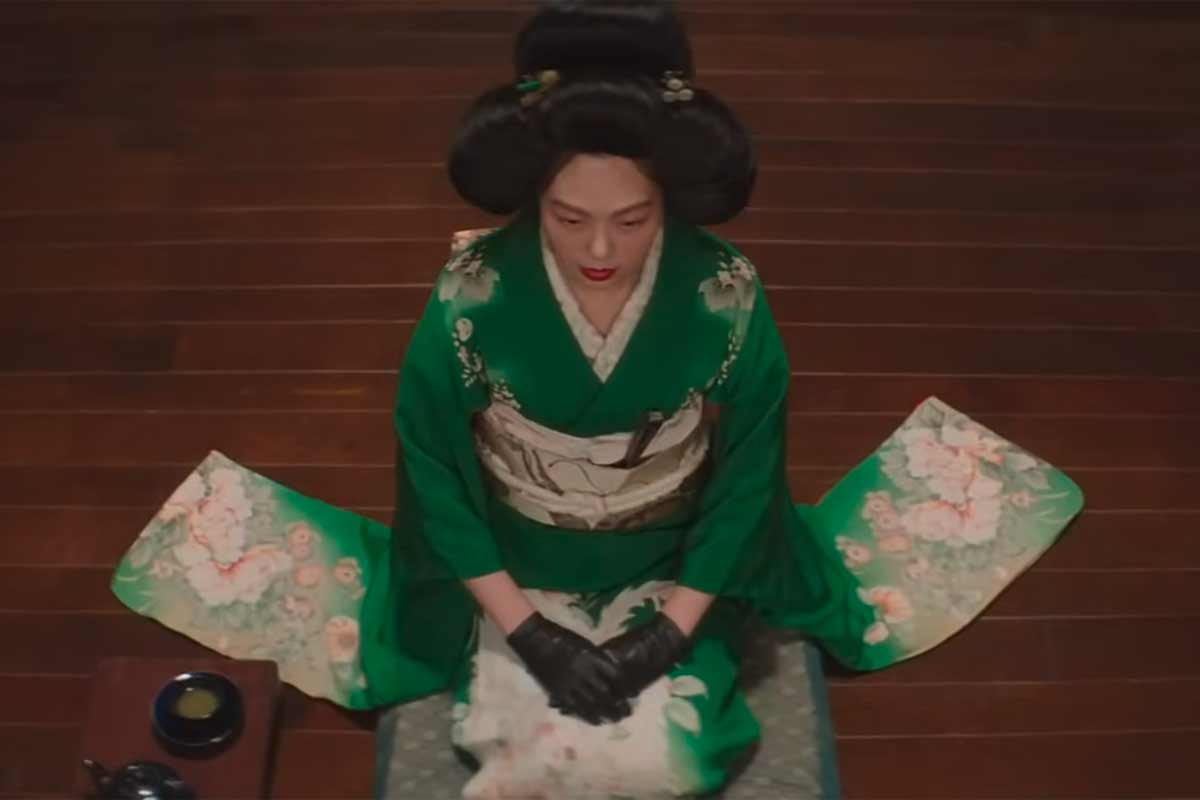
Opulent hanboks with an erotic twist: in Japan-colonized Korea in the 1930s, con artist Sook-hee plans to betray the rich heiress Hideko. Costumes become a mirror of colonial power structures in Park Chan-wook’s thriller (“Oldboy”, “No Other Choice”). A magnificent cross-dressing scene at the end of the film puts the icing on the cake. The renowned costume designer Jo Sang-gyeong was awarded the Asian Film Award in the category for best costume design for this work. Our tip: Anyone who enjoys the carnal scenes in “Wuthering Heights”, which are also true to the book, will enjoy this work. The story is based on the novel “Fingersmith” by Sarah Waters.
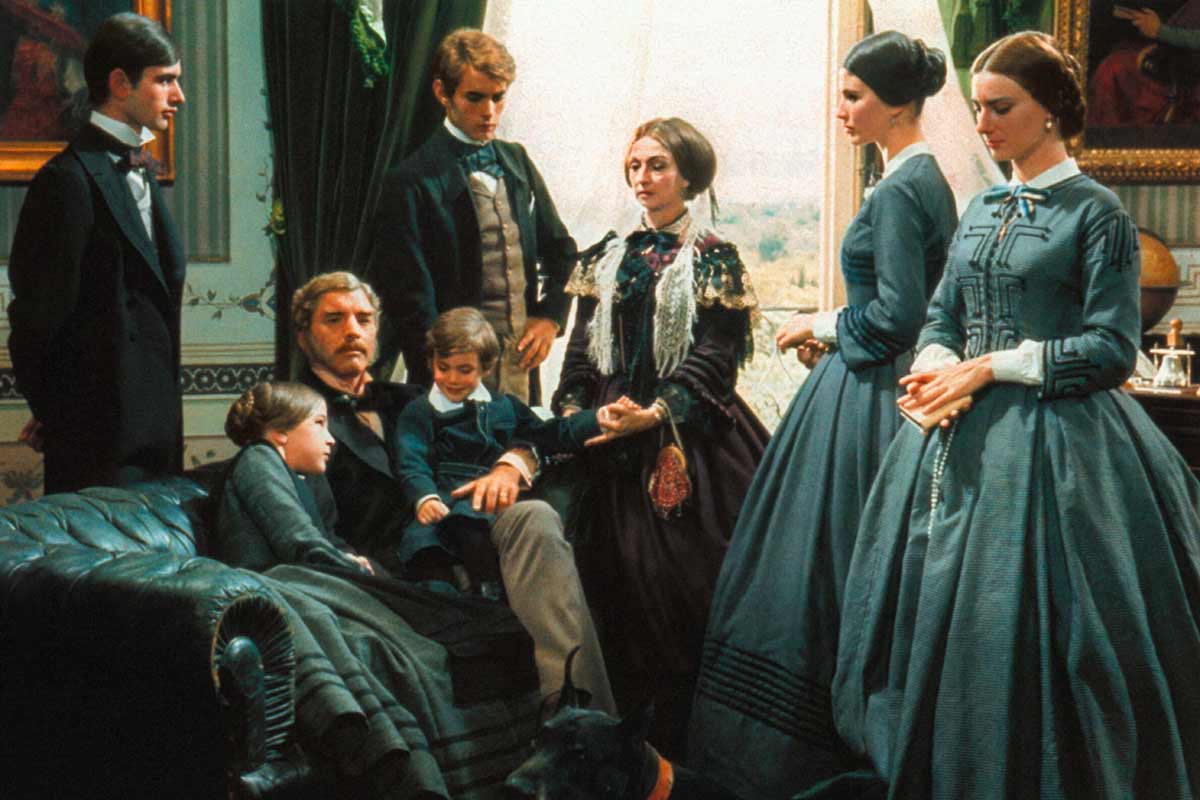
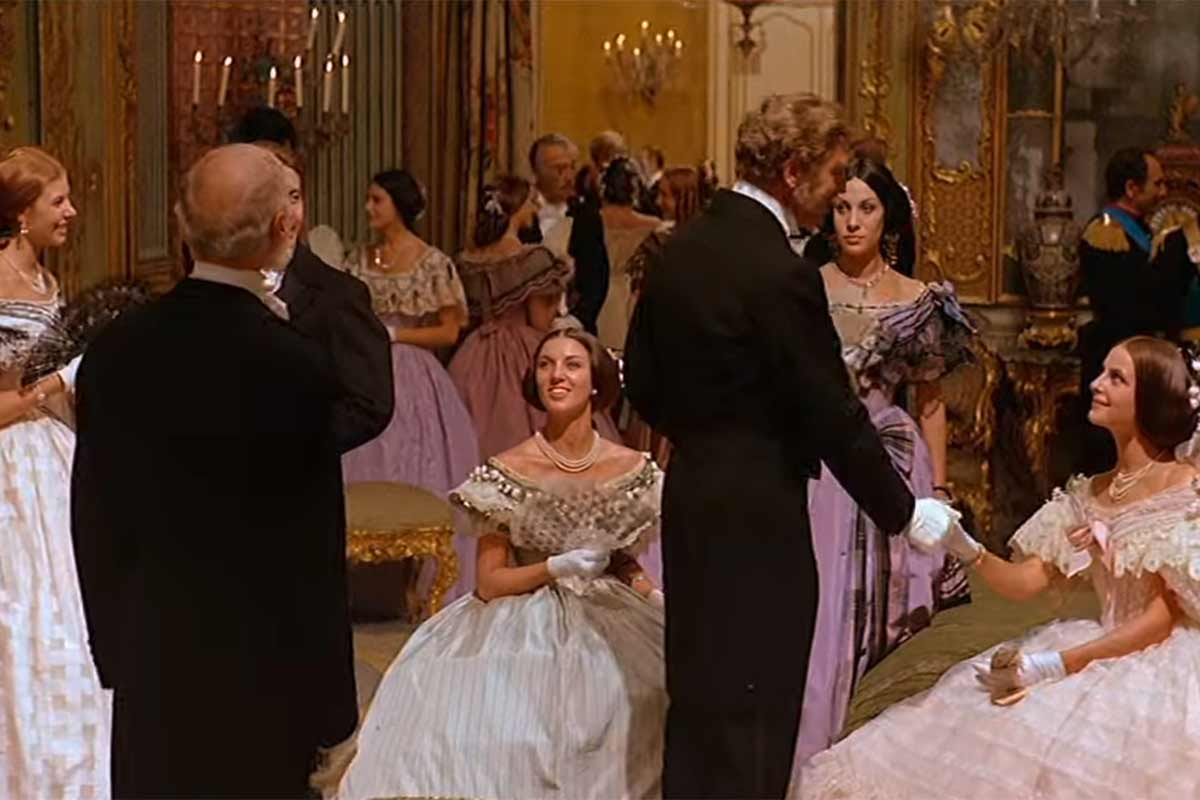
“The Leopard“, Luchino Visconti, 1963
In the iconic film adaptation of Giuseppe Tomasi di Lampedusa’s classic of the same name, Sicily’s nobility wrestles with Garibaldi’s unification movement. The legendary ball scene in this masterpiece has long since become fashion history. With Piero Tosi’s lavish costume design, operatic opulence meets the melancholy swan song of an era.
Get tickets for the latest film adaptation of “Wuthering Heights” here.
Want more movie tips from us? This list is perfect for the slowly approaching spring.