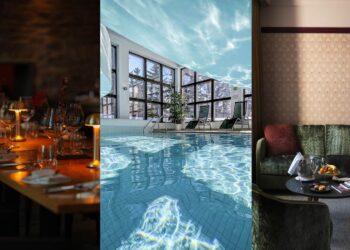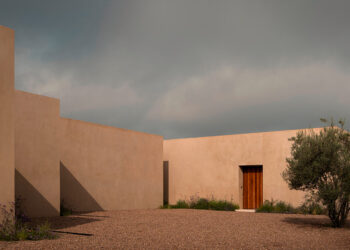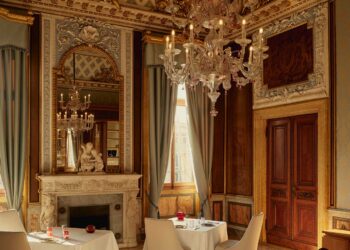

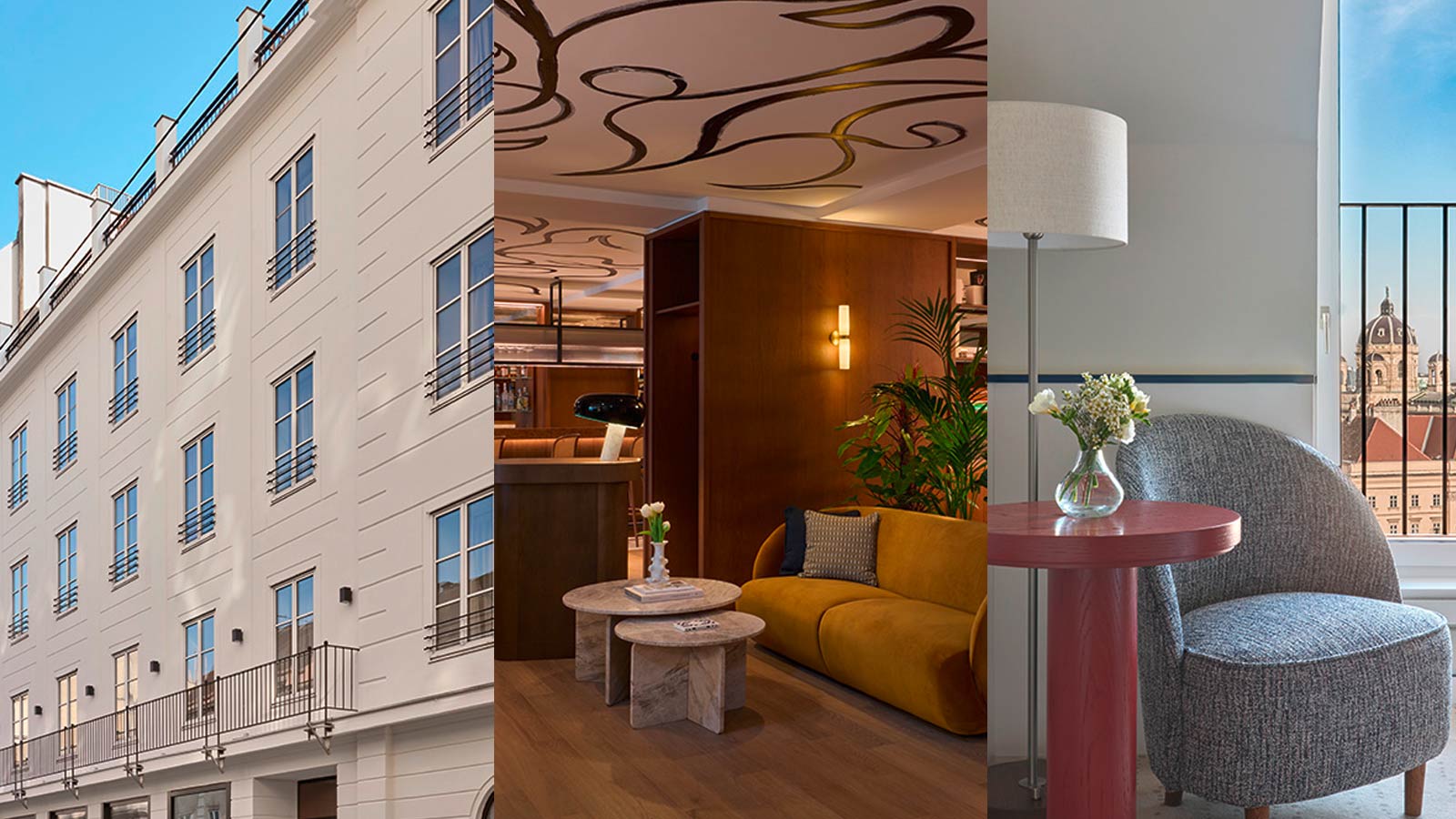
A “Grätzlhotel” with international aspirations, cosmopolitan design and genuine hospitality – that’s how the new Miiro Spittelberg can be described in a nutshell. We met CEO Neena Gupta for a chat – about new beginnings, intuition and genuine hospitality.
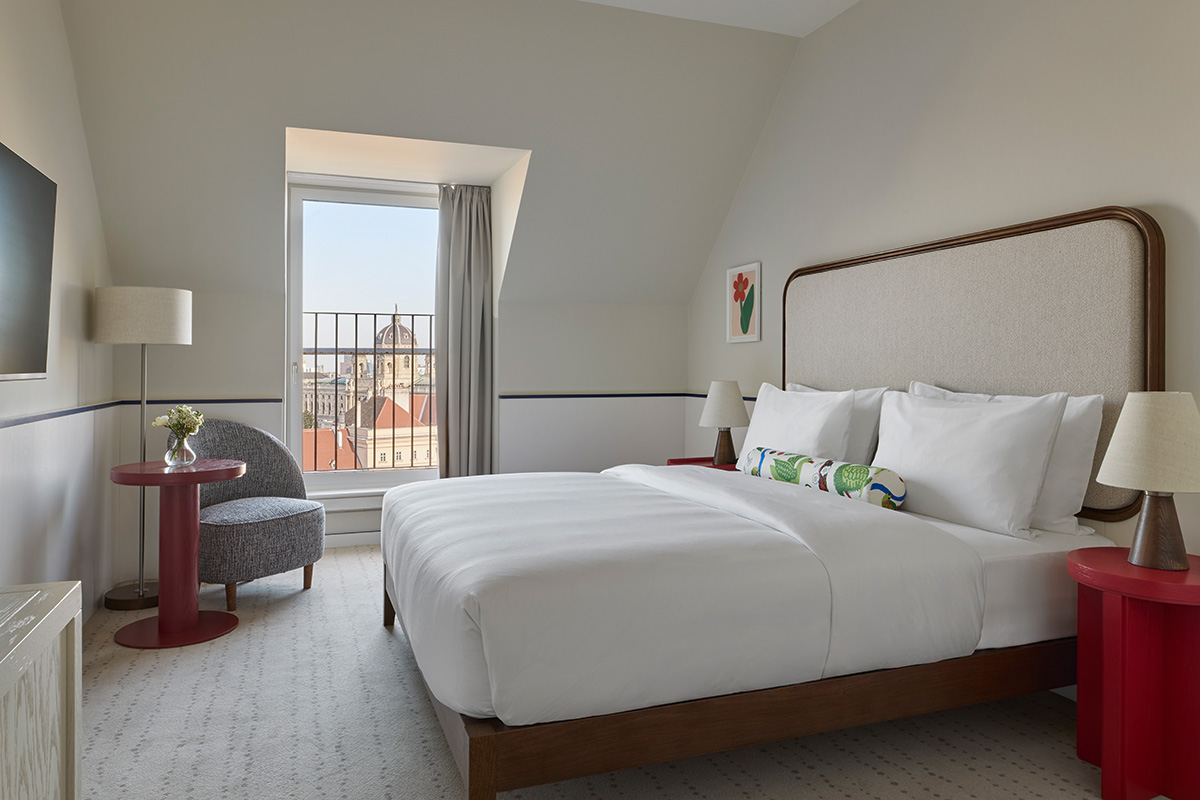
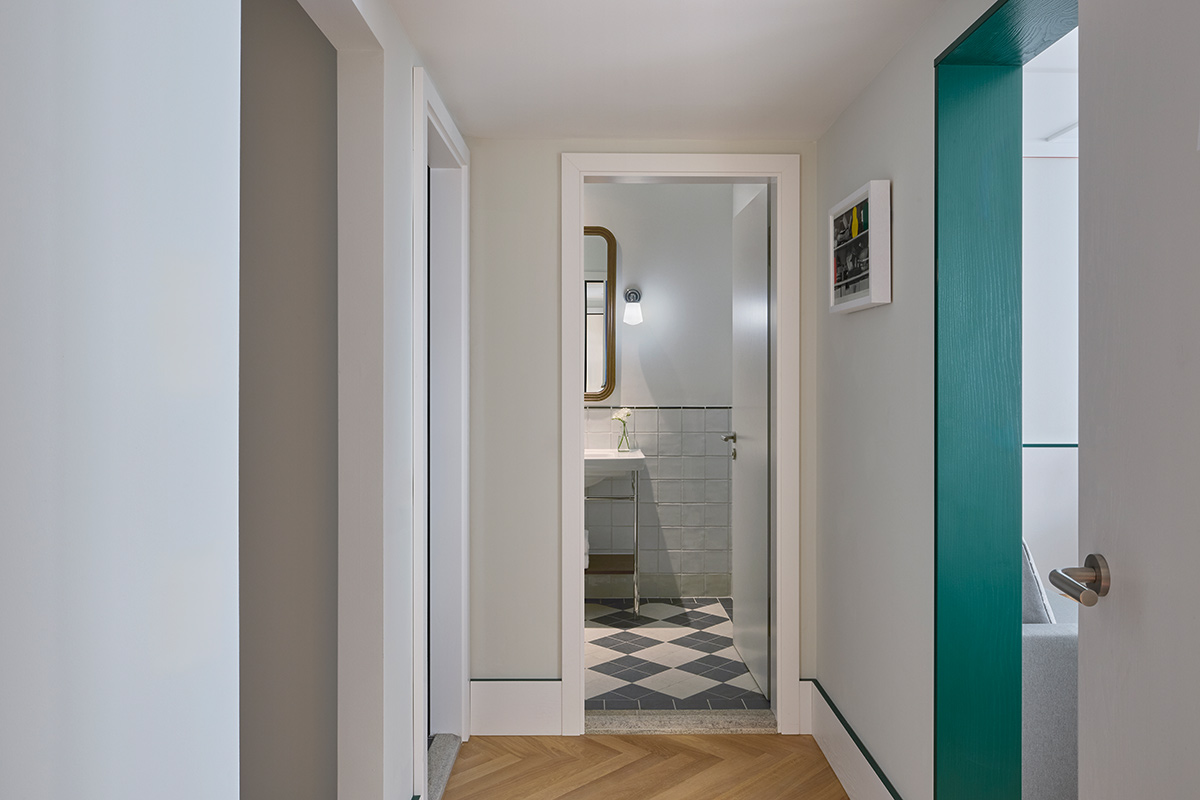
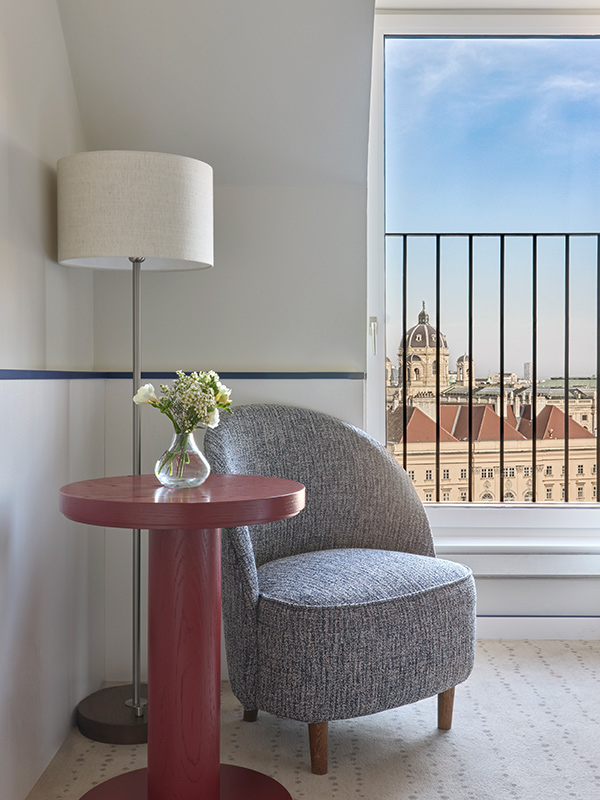
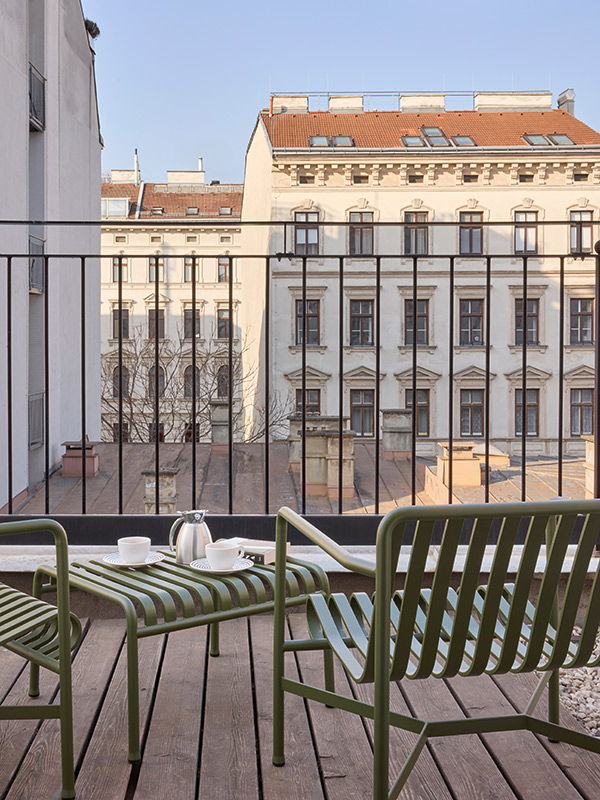
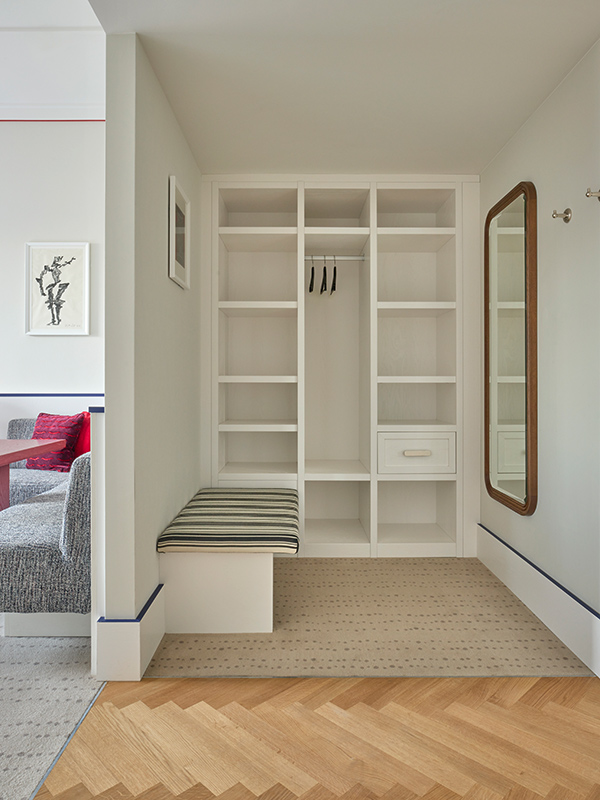
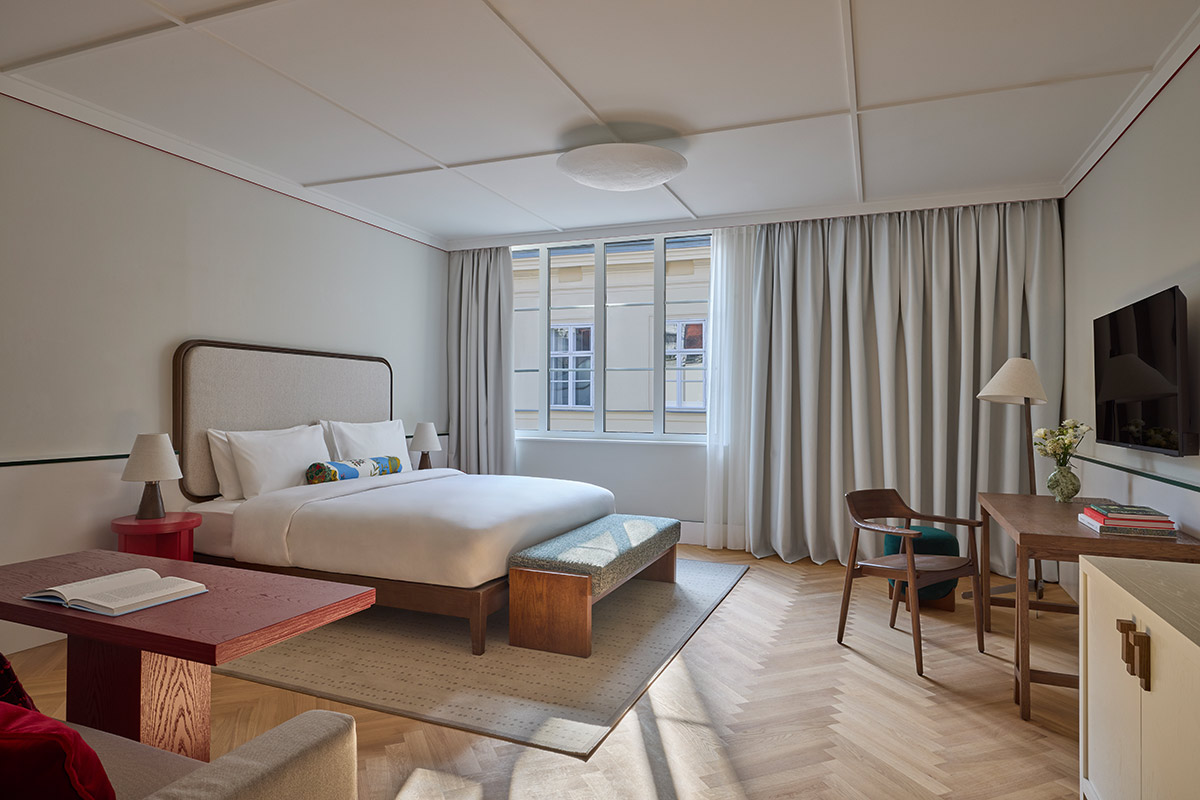
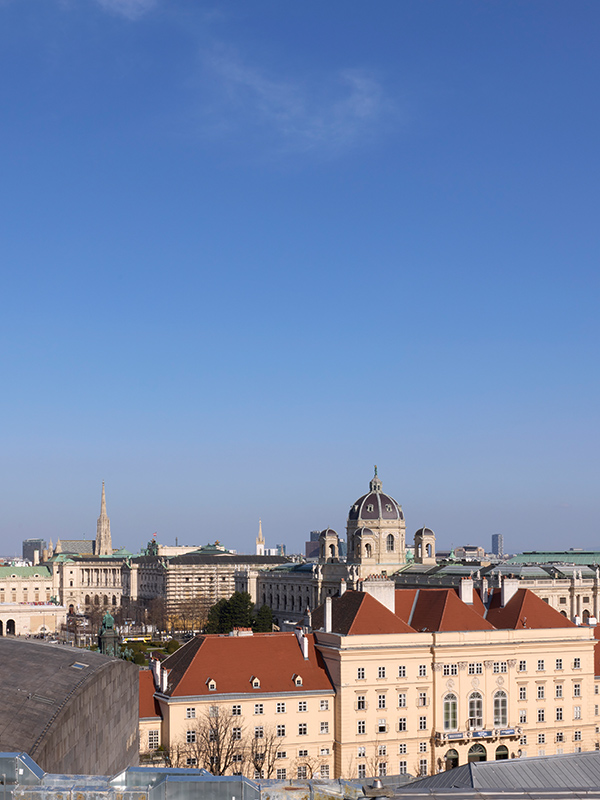
Vienna’s hospitality scene is on the move: With the Miiro Spittelberg, a new concept moved into the 7th district, not far from the MuseumsQuartier, at the end of March 2026. It is the latest addition to the Miiro Group’s portfolio and continues the London-based company’s neighborhood-oriented approach: In collaboration with Gabriel Kacerovsky from Archisphere, an urban townhouse hotel was created that focuses on clear spatial structures, reduced materials and a precise, understated design – with the aim of harmonizing function, quality of stay and modern hospitality.
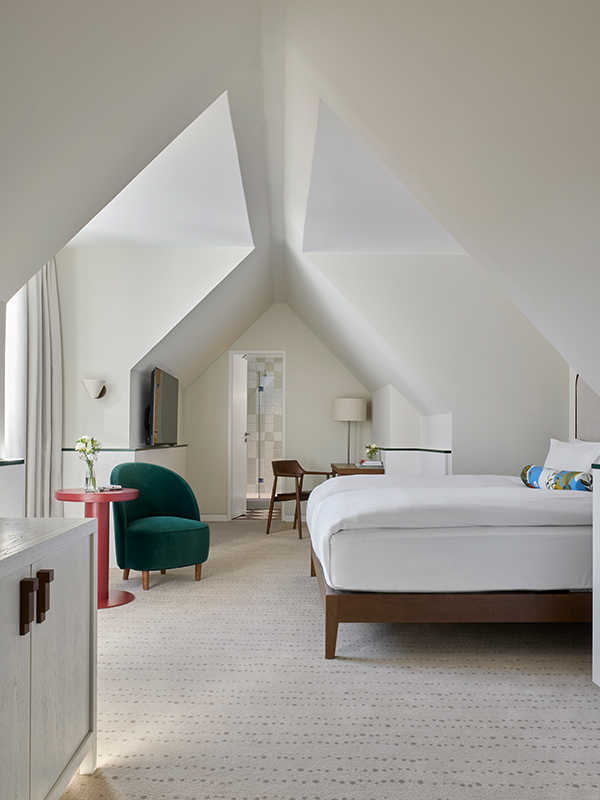
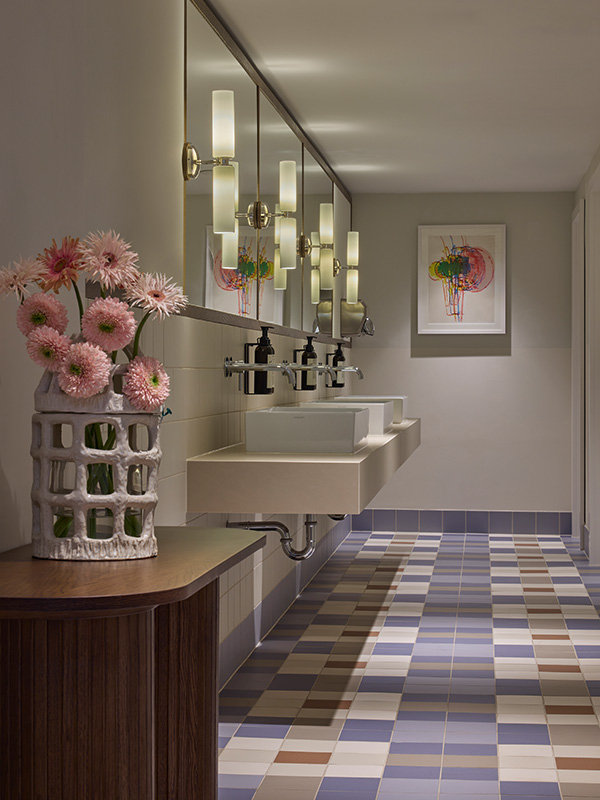
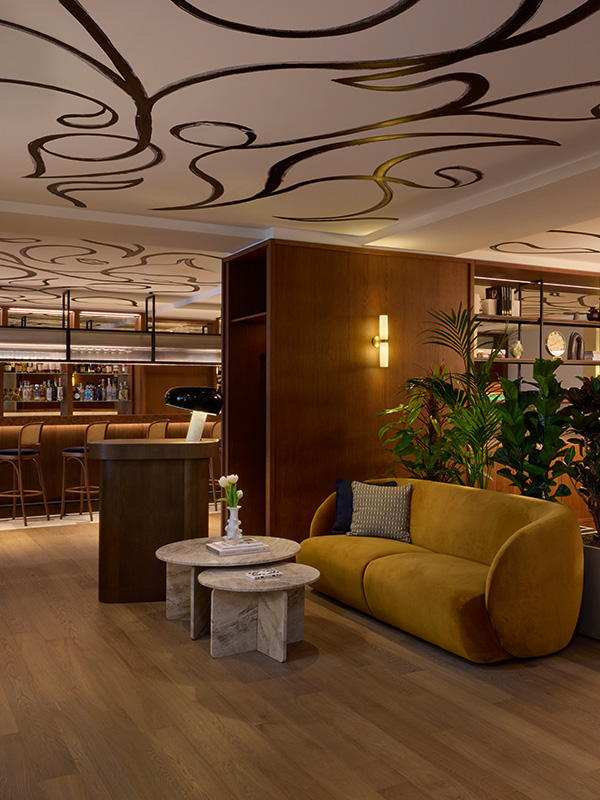
Art is a central element of the hotel: works by Christian Ludwig Attersee, Kurt Moldovan, Josef Mikl, Hubert Pfaffenbichler, Heimo Zobernig, Cornelius Kolig and Helen Mae LaCroix characterize the public areas and guest rooms. The concept is complemented by a site-specific intervention by Florian Metzler – a ceiling installation that visually connects the entrance, reception and bar.
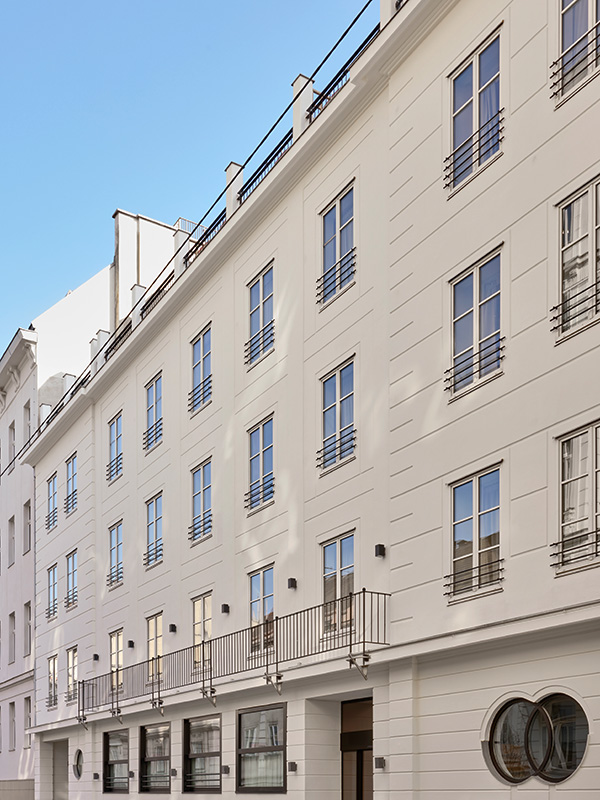
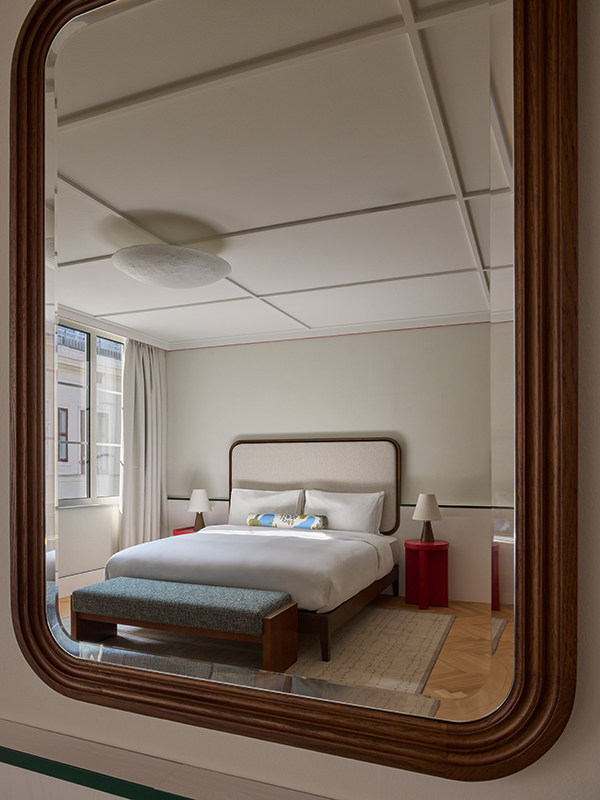
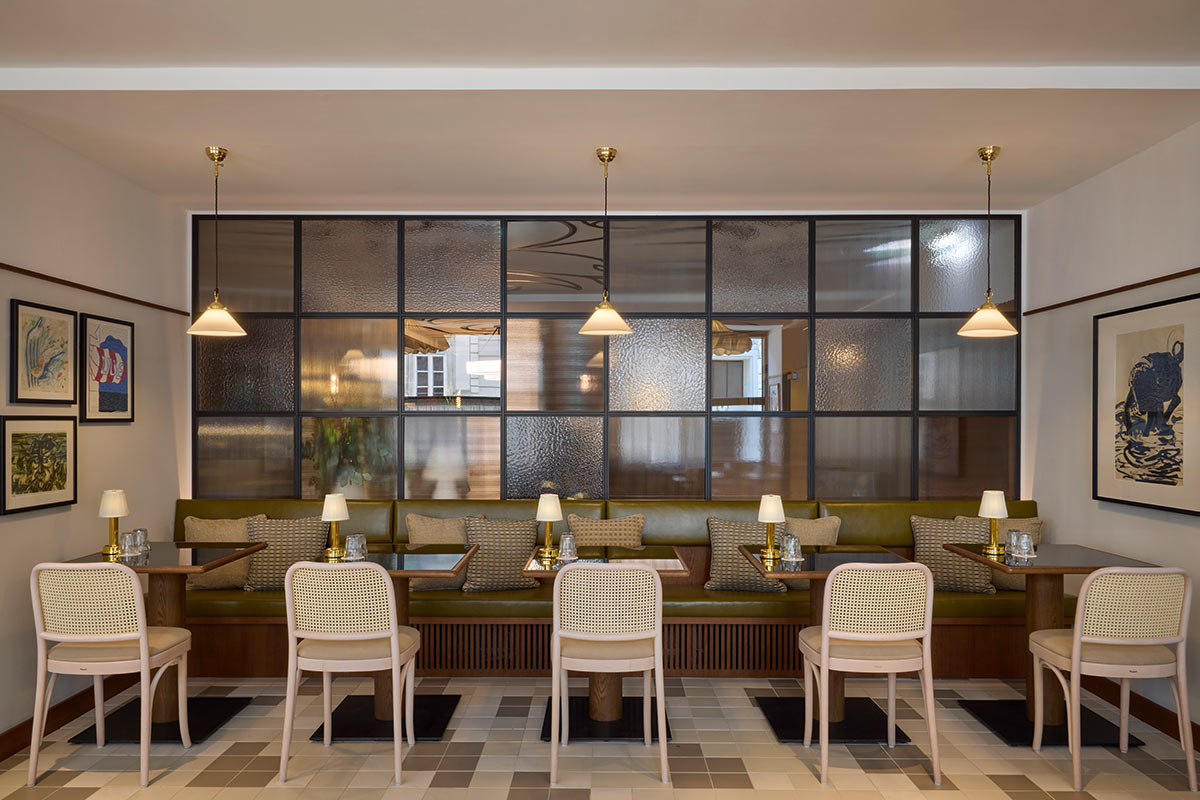
With the “Poco” concept on the first floor, the building also has a bar and restaurant that is intended as an open meeting place for guests, the neighborhood and the city. The focus is on pizza, sharing plates and classic aperitivo culture, curated together with London restaurateurs Jake Bucknall and Jacob Stuttard (D4100).
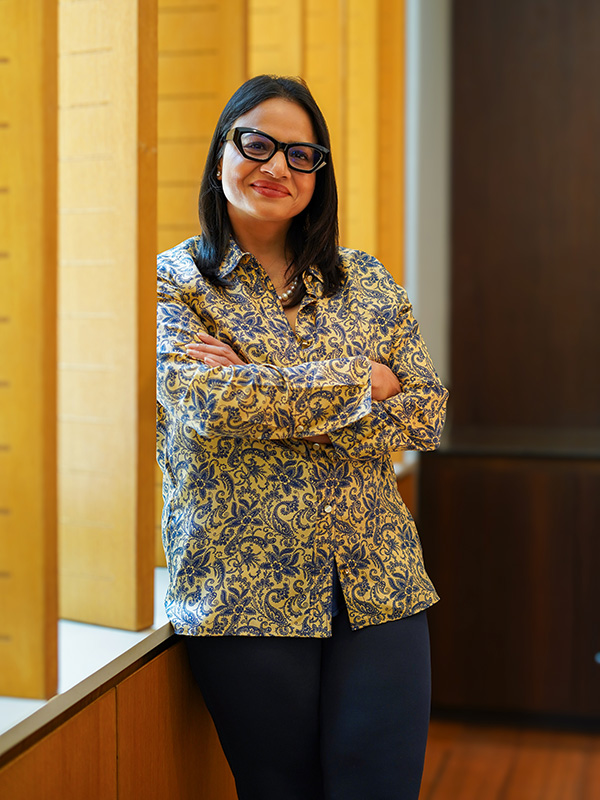
To mark the opening of Miiro’s second location in Vienna, we met CEO Neena Gupta for coffee in the hotel bar.
FACES: Your path to Miiro was not linear. Can you tell us more about it?
Neena Gupta: I’ve always had a creative side – we all do. At the same time, I grew up with a completely different mindset: with the feeling that I had to secure my existence through education, performance and qualifications. As a result, my creative side was pushed into the background for a long time. The real turning point came with Miiro. For the first time, I had the opportunity to work in an environment that allowed this part of me to flourish. And I still remember it well: it wasn’t an easy decision. On the contrary – probably the most difficult decision of my life. I was very successful in my previous role, had a lot of responsibility and a lot of influence. And then I decided to leave all that behind and build something new – with financial responsibility and without any guarantees. But I learned that if you commit to something with all your heart, it will carry you through.
F:That sounds like a very courageous decision. Has courage always been a part of you?
NG: As a child, it was probably more rebellion than courage. I just wanted to do things differently – often without really thinking about it. I started my law degree, then suddenly stopped, studied management, worked in a large company – and then left everything behind to go back to the legal field. Looking back, these decisions may seem impulsive, perhaps even courageous – but what they have in common is that they always came from the heart. However, the move into the hotel industry was something completely different. After 25 years in a field where I knew exactly who I was, to suddenly move into an industry where I had no traditional experience – and then to gain the trust of a team made up of incredibly experienced people… It wasn’t easy.

F: You originally come from the legal profession. Where do these two worlds meet for you today?
NG: Law is often perceived as very dry – but the truth is that you are constantly working with people; with their issues, their worries, their decisions. A big part of my job has always been to put myself in other people’s shoes. Really understanding what they need. This emotional intelligence still helps me today. For me, it’s always a cycle, a give and take: When we take care of our employees, they take care of the guests. Over time, this creates something that is difficult to define – a shared energy.

Q: If Miiro Spittelberg were a person, what character would she have?
NG: That’s a great question. I was actually thinking about this the other day when I saw a vinyl record by Édith Piaf. She took something very local – the French chanson – and interpreted it in a way that is understood everywhere. And that’s exactly how Spittelberg feels to me. This district is deeply Viennese, its streets stand for culture, for real life. And at the same time, there is this openness to the outside world. This is exactly how our hotel should feel.

Q: What should a hotel no longer be today?
NG: Soulless. Especially in a world that is often very fast, very loud and very digital, people need places that feel real, why and connected.
Q: What do you want your guests to take with them when they leave the Miiro?
NG: A feeling of warmth. And a memory that stays with them. I recently received a message from someone who stayed overnight with us. It said: “I miss the Miiro people.” And I thought to myself: that’s exactly it. If guests miss us after they’ve left, then we’ve done something right.

Time for a trip to Vienna? Then you now know where to spend the night.
Photos: © Miiro Spittelberg
Vienna’s hotel industry has so much to offer that we have another tip for you.