
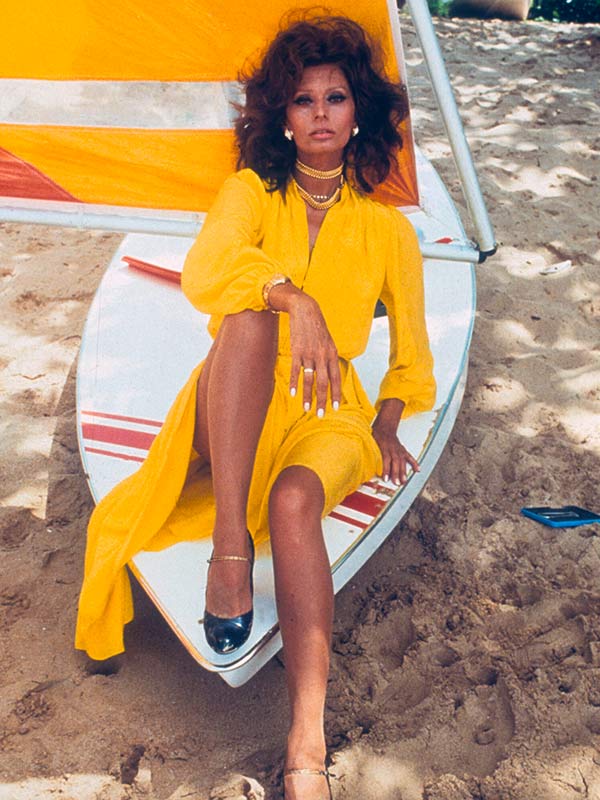
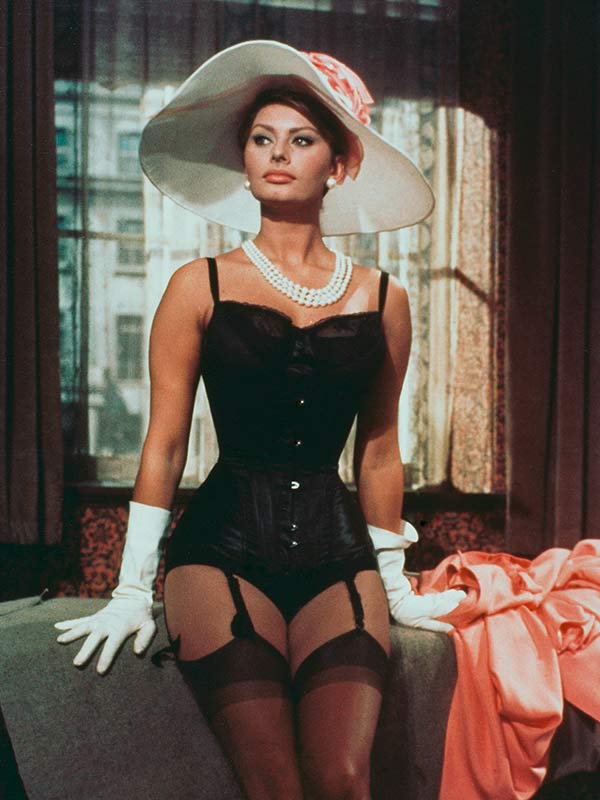
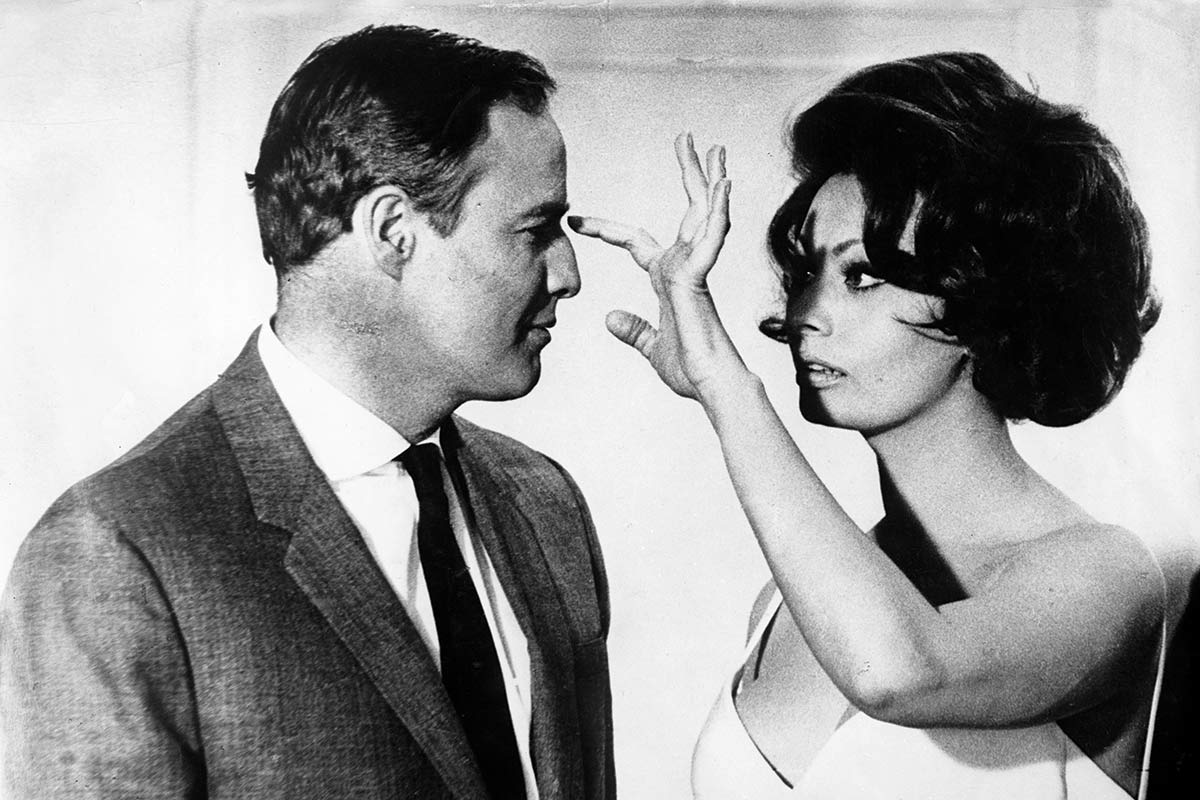
Rome may be the Eternal City. But Italy’s eternal star is Sophia Loren. A new illustrated book shows the life of the cinema icon. And we try to find a few worthy words for it.
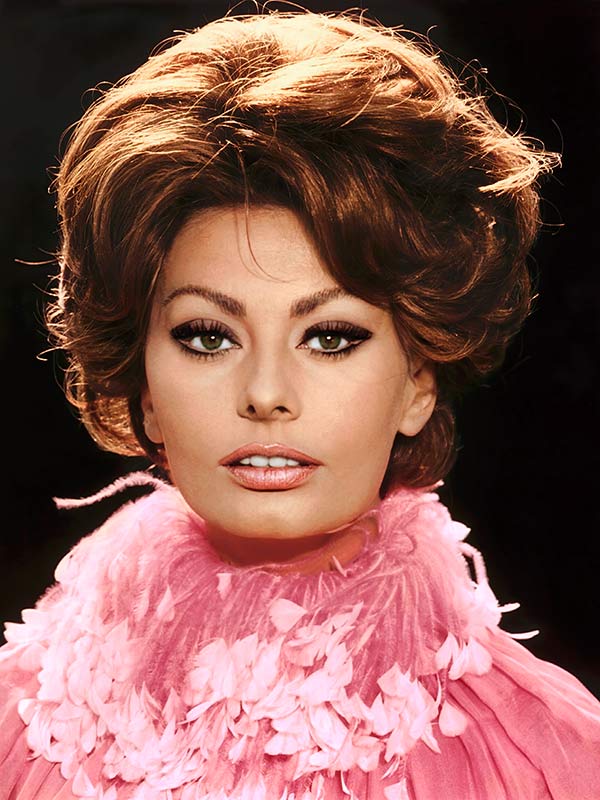
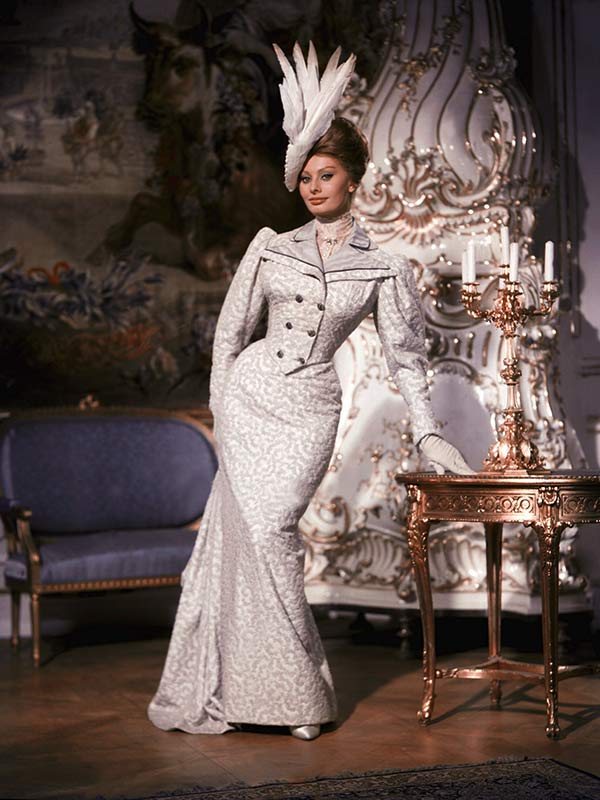
“When you start in the movie business, my God! It’s like jumping into a battlefield because you don’t know where you’re going to end up,” Sophia Loren told an English reporter in 1974. She had already spent a quarter of a century on this battlefield. Had stormed across national borders. Wounded in the heart. Rewarded with rich booty. And she had landed: at the top. Sophia Loren’s flag may no longer fly over Hollywood. But Italy’s greatest actress is still able to launch a late triumphal procession. La Loren’s martial lament in the British press was not the self-pity of a drama queen. Rather, it was the interim assessment of a fighter who had toiled her way through bitter poverty and real wartime turmoil to become a screen heroine. After the Second World War, Italy lay in ruins – and with it its film industry. The artistic focus inevitably shifted to simple stories, straight from everyday life, captured true to life with the camera. Directors such as Vittorio De Sica thus founded an era of cinematic neorealism, which soon found imitators in France and the USA.
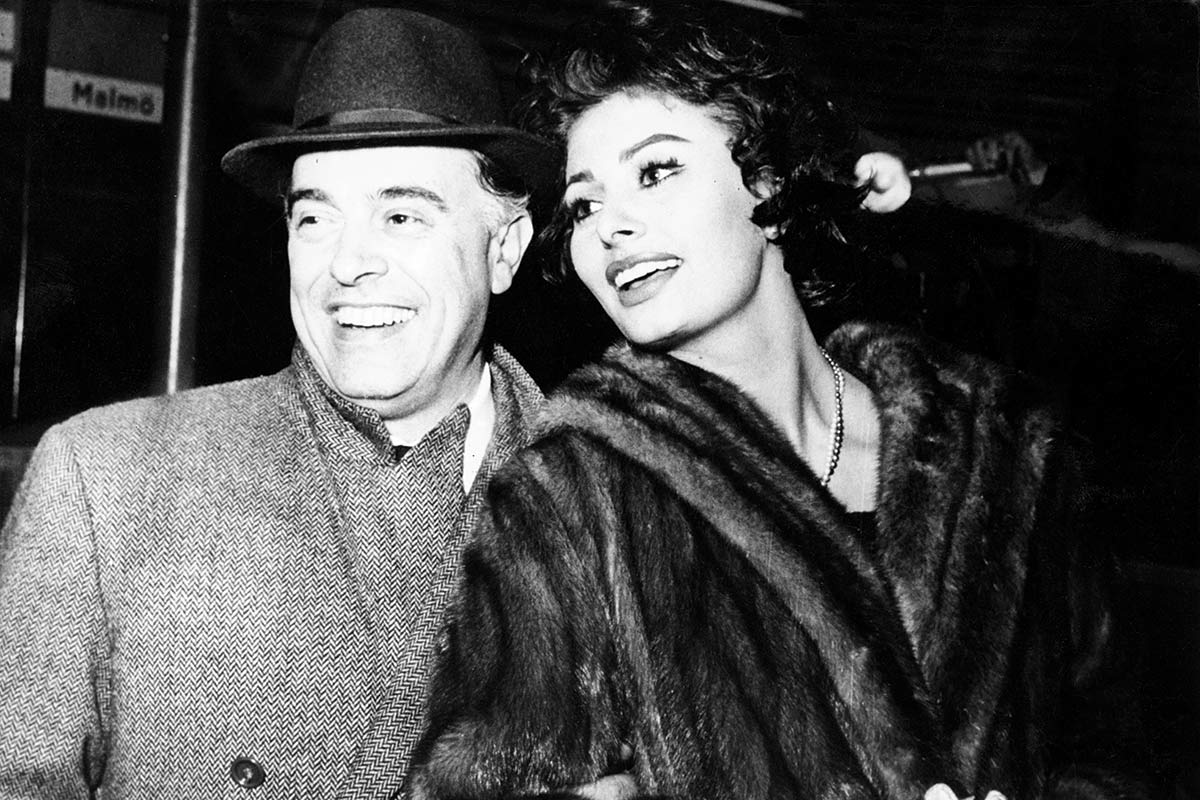
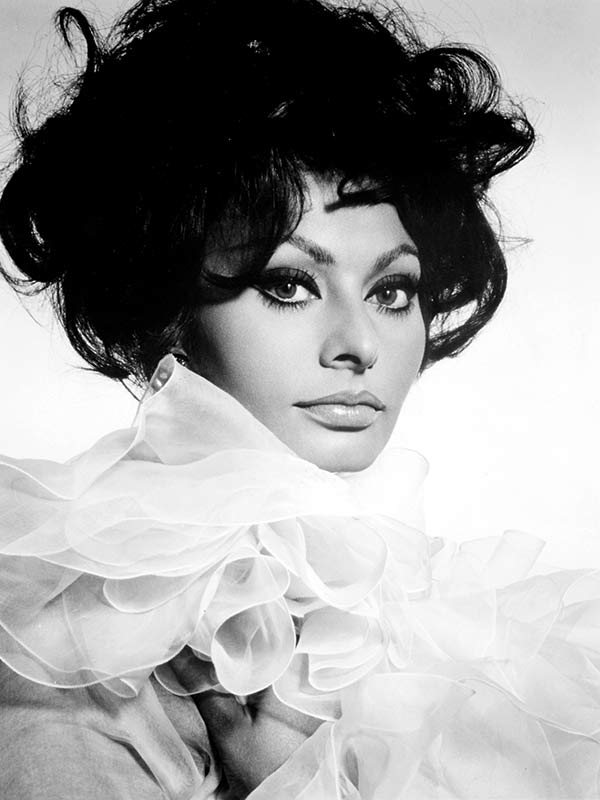
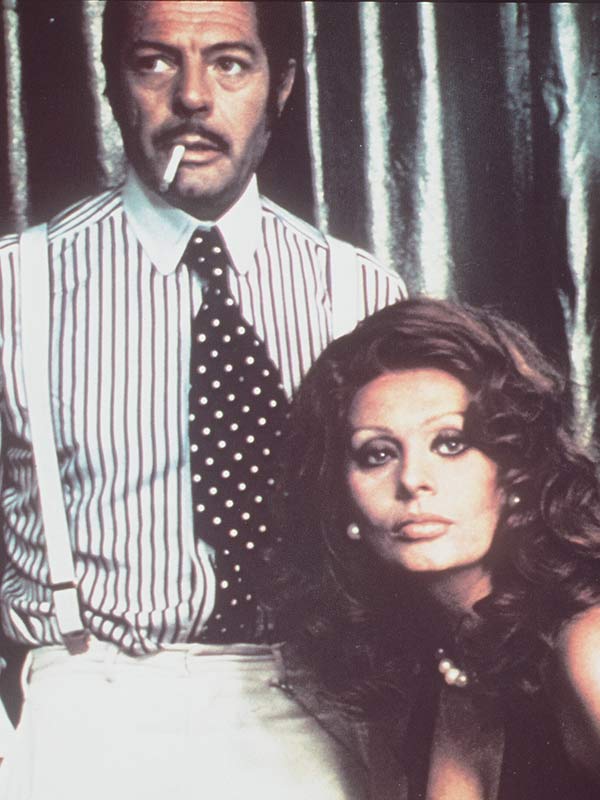
The war also left its mark on Sophia Loren’s life. Her home town, the port city of Pozzuoli, is used to disasters. After all, it lies at the foot of Mount Vesuvius and was almost wiped out by a volcanic eruption in the 16th century. But now it was raining Allied bombs and the little girl often stayed in air raid shelters with her mother until she fled to Naples. There, eight-year-old Sophia was wounded by falling debris. A scar on her chin is a reminder of this to this day. After the end of the war, Sophia’s path led her from the bunkers straight onto the catwalks. Her mother, who had won a national Greta Garbo lookalike contest in 1932 and then almost went toe-to-toe with Hollywood herself, encouraged the teenager to take part in beauty contests, which sprouted like roses from the rubble in post-war Italy. And even if “40-year-old beauty contest judge discovers 16-year-old contestant” is not a good start for a love story, that’s exactly how our story continues.
Forbidden love
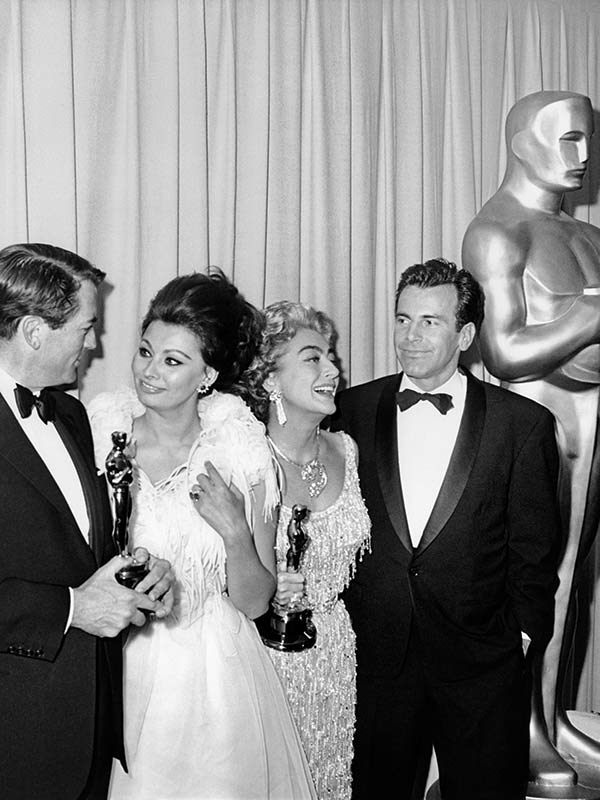
Carlo Ponti was an extremely well-connected film producer when he was on the lookout not only for a beauty queen but also for potential screen talent for the Miss Italia 1951 competition. At the end of the evening, the crown did not shine on Sophia’s head. But Ponti was determined to lay an even greater empire at her feet. What followed was an initially professional and soon romantic connection between the two. Although Ponti pulled the strings in the background, Loren was not a puppet. Films such as “L’oro di Napoli” and “Aida” made her a national star – one who shone in both arthouse gems and opulent historical films. In “La ciociara”, Sophia confronted her childhood trauma and played a mother raising her child in the horror of the Second World War. The intensity of her performance made waves all the way to Los Angeles: Sophia Loren became the first person to win an Oscar for a non-English-speaking role. The battlefield had finally become a red carpet.
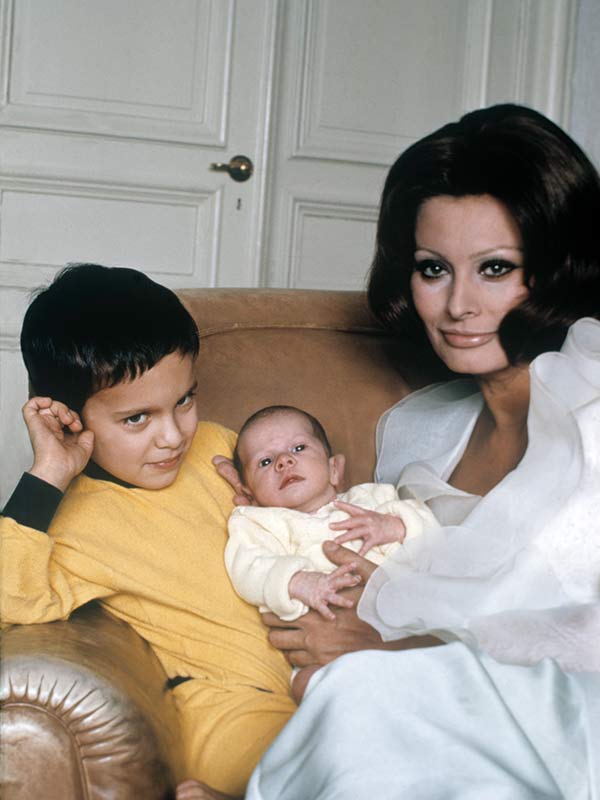
Great drama was not limited to celluloid. Ponti was married to another woman at the time of his liaison with Loren, and a divorce was difficult to obtain in Italy at the time. The actress was on the verge of eloping with her co-star Cary Grant when Carlo proposed to her. The producer used a bizarre legal loophole: in a so-called “Mexican wedding”, two lawyers in Mexico acted as stand-ins for Loren and Ponti to legitimize the marriage in court. Italy’s legislature overturned the trick, and the couple only officially married years later after taking French citizenship. It is not known whether at least the two Mexican lawyers spent their twilight years together.
The grand finale
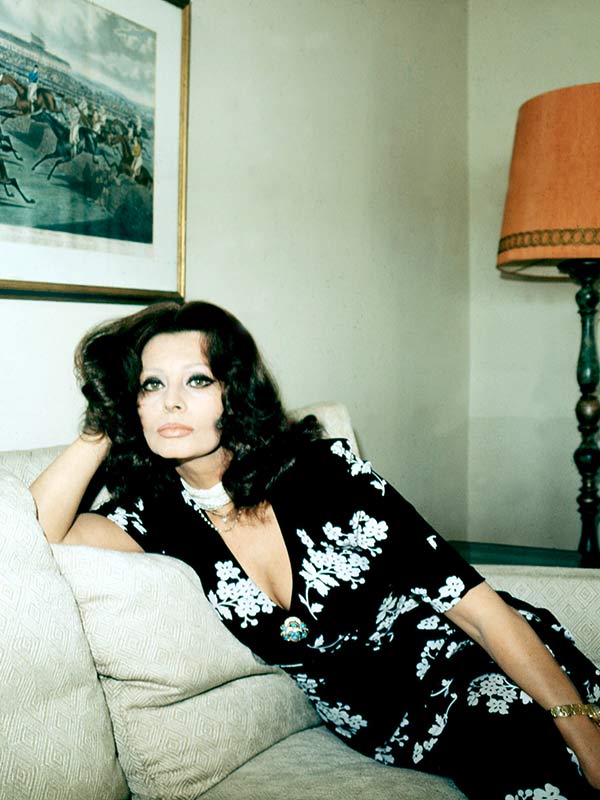
In the 1960s, Loren became the epitome of the donna appassionata in European and American cinema, far removed from the cliché of a rolling pin-wielding fury. Her portraits of self-confident women transcended social classes. From the destitute working woman to the high-living aristocrat, the Italian embodied complex characters who were scarred by life but never allowed their pride to be erased. Loren also maintained this attitude outside of acting – for example when she was sent to prison for 17 days in 1982 for tax evasion. What other careers would never have recovered from did not leave a scratch on Sophia’s CV. Instead, it was only further gilded when Loren was awarded a second Oscar for her life’s work nine years later. But her career was far from over. In 2020, the 86-year-old gave a late brilliant performance in the film “La vita davanti a sé” in the role of a former sex worker. Behind the camera as director: son Edoardo Ponti, whose father died in 2007.
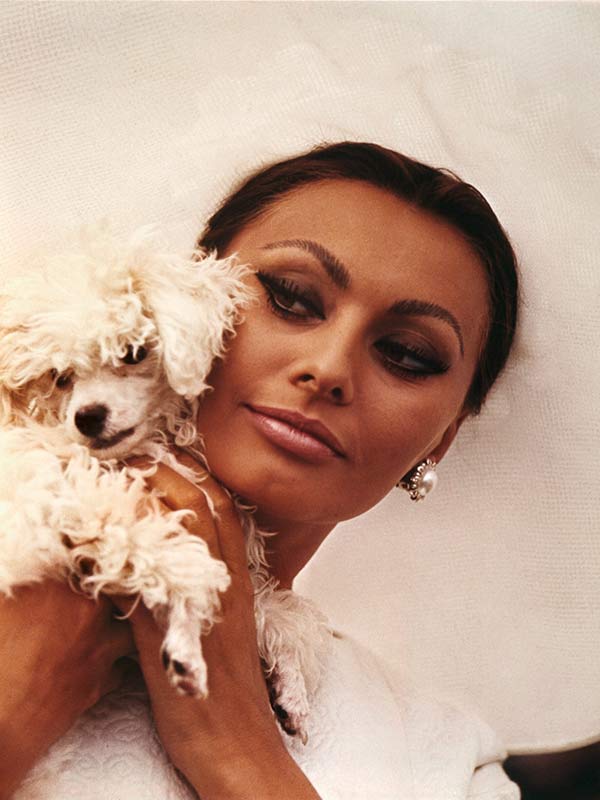
Sophia Loren survived the battlefield. Now she is the last of her generation. Claudia Cardinale, Monica Vitti, Gina Lollobrigida and – on the other side of the Italian border – Brigitte Bardot have ended up in those “In memoriam” commemorative videos in recent years, with which the film industry basks in the past glory of its golden age. Sophia Loren, however, is still looking ahead; in her Geneva apartment, she is said to be reviewing scripts with Edoardo and looking for one last big role. That’s why we don’t say “Arrivederci”, but “Grazie mille e a presto”.
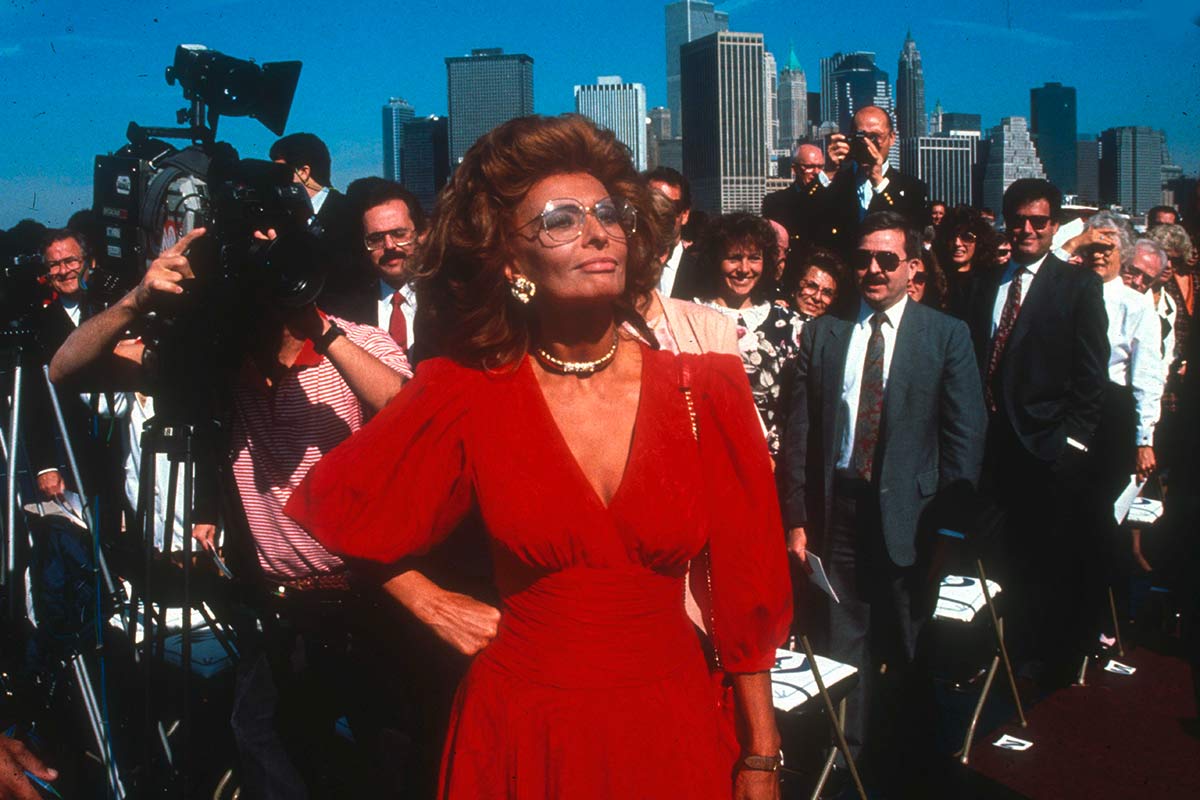
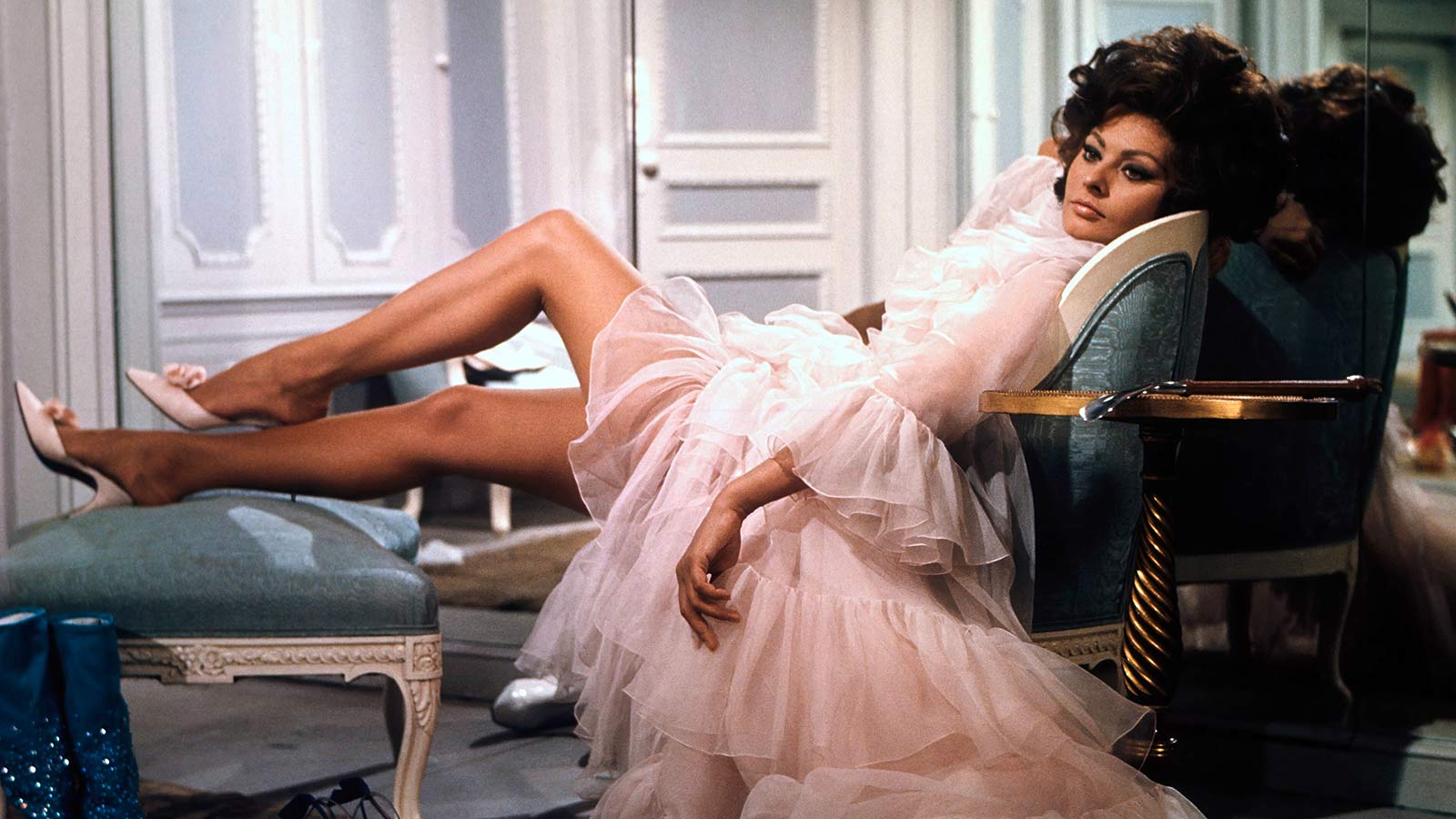
Sophia by Eisenstaedt
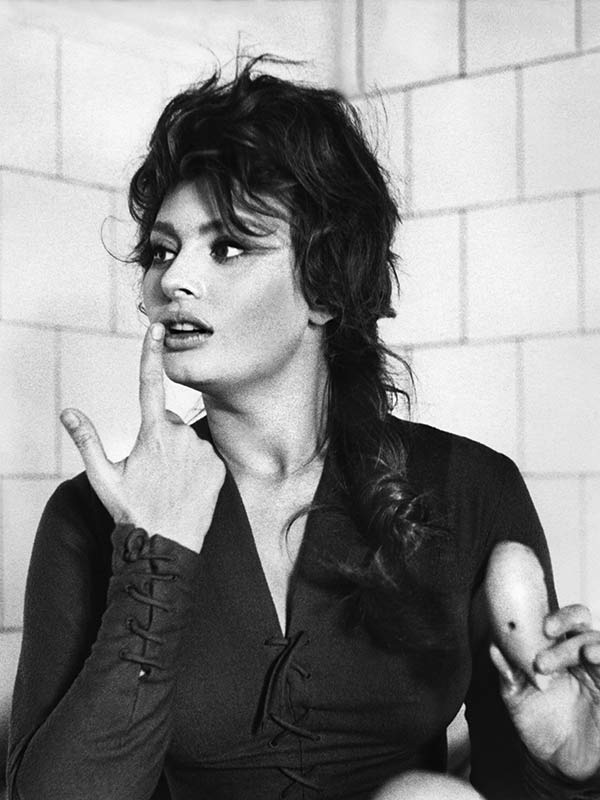
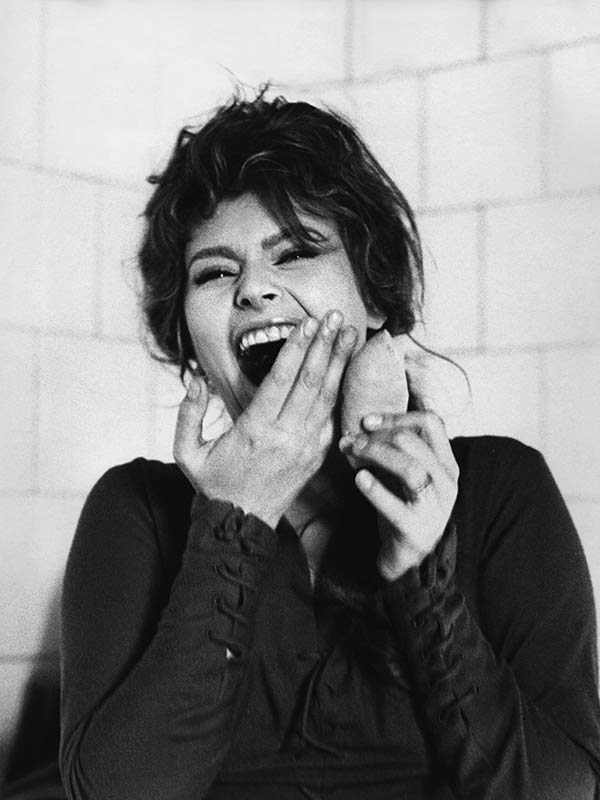
Countless cameras have captured her. But in front of Alfred Eisenstaedt’s lens, Sophia Loren was free. For almost 20 years, the Life magazine photographer accompanied the Italian actress on her professional and private adventures. This magnificent photo book shows mostly unpublished photographs from a time when the actress revelled in glamour – and yet always sought out quiet moments. The Collector’s Edition, limited to 1,000 copies, has also been personally signed by Sophia Loren. It makes our wrists ache just imagining it.
Alfred Eisenstaedt, “Sophia by Eisenstaedt”, Taschen, 268 pages, approx. 850.-, taschen.com
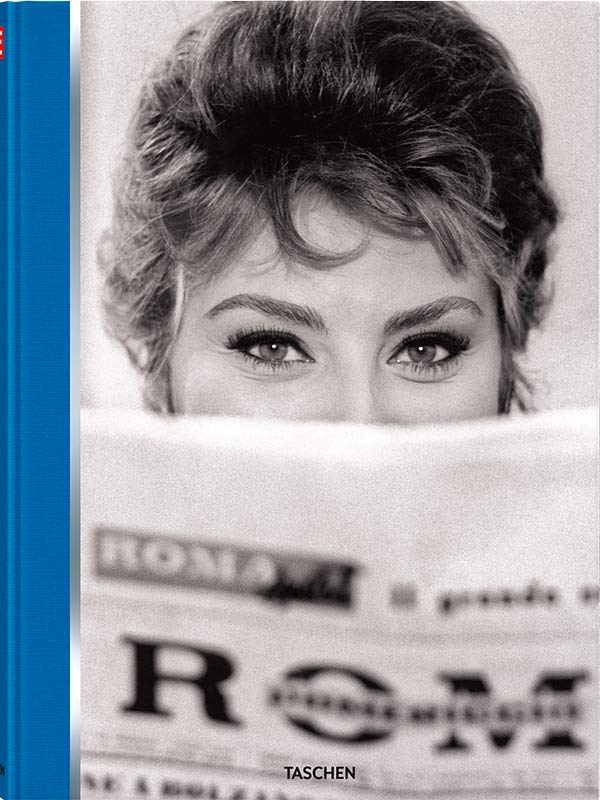
The Collector’s Edition of “Sophia by Eisenstaedt” is available here.
Photos: © pa picture alliance
We never run out of icons. Read our portrait of Lady Gaga here.