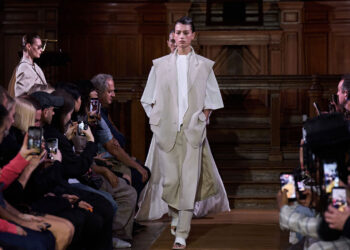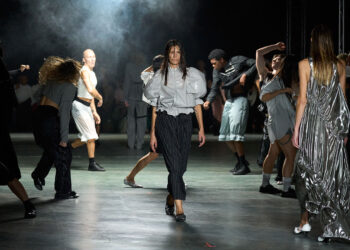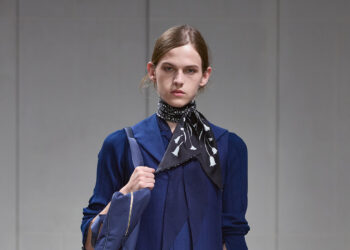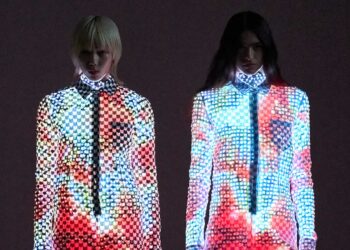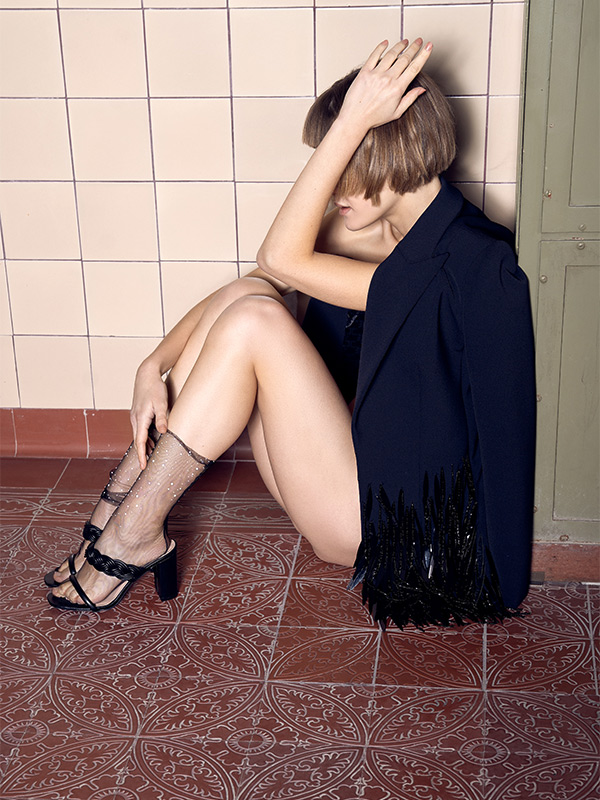

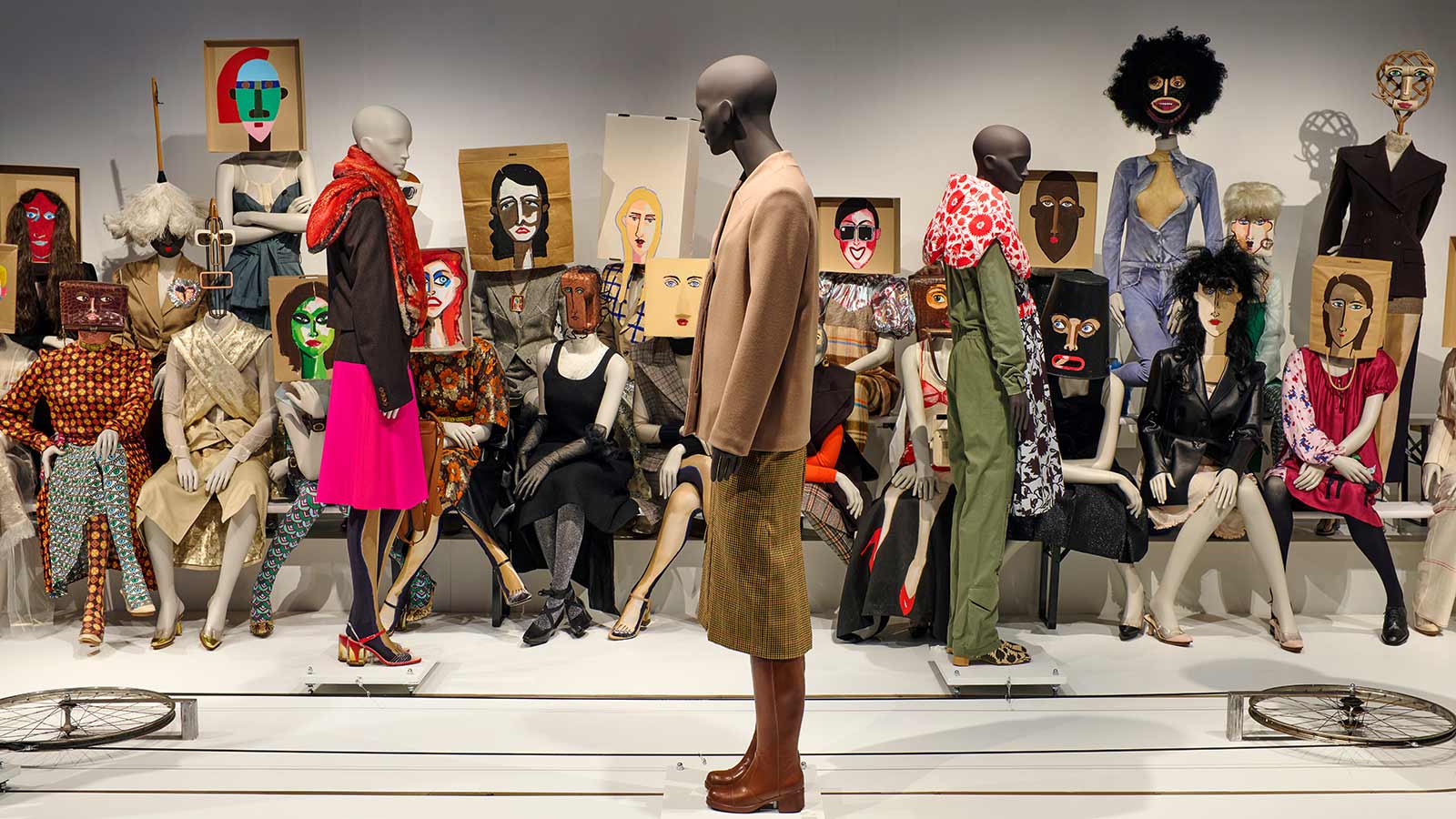
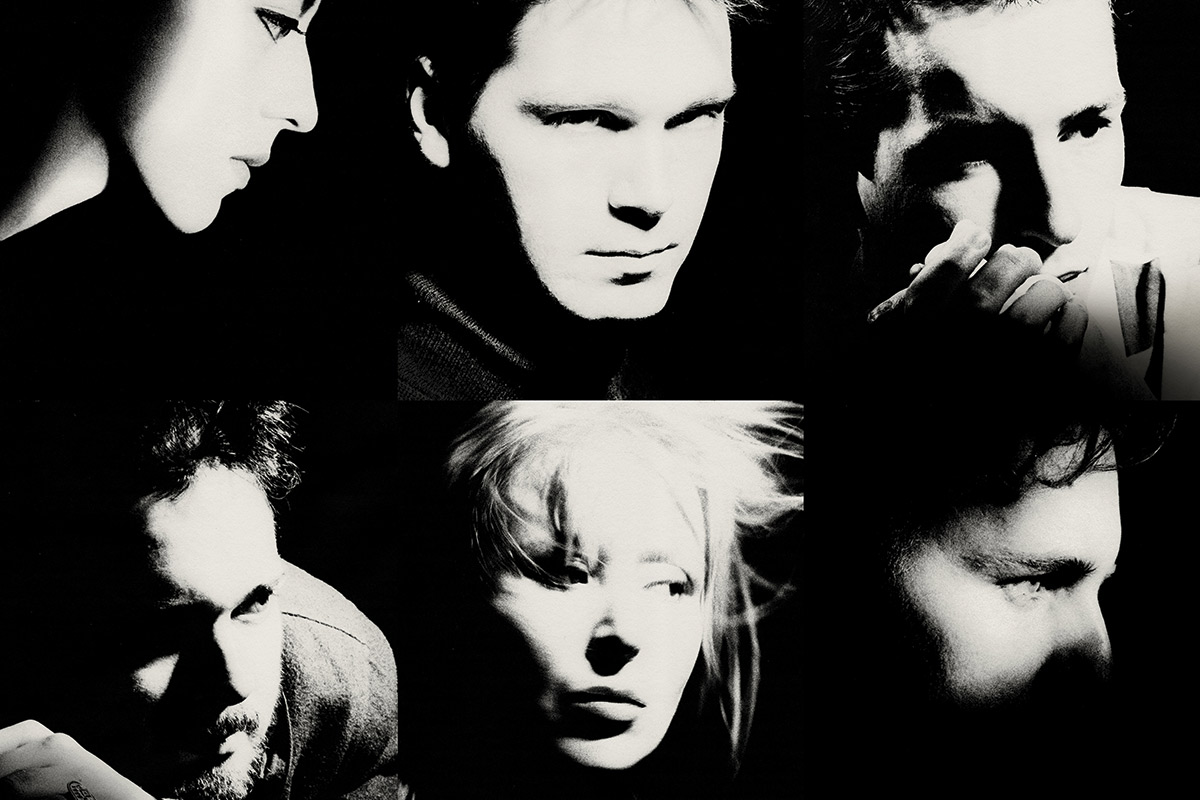
They studied together, partied together—and took the fashion world by storm. Forty years after their international breakthrough, the MoMu Fashion Museum in Antwerp is dedicating its first major exhibition to Ann Demeulemeester, Dirk Bikkembergs, Dries Van Noten, Walter Van Beirendonck, Marina Yee, and Dirk Van Saene.
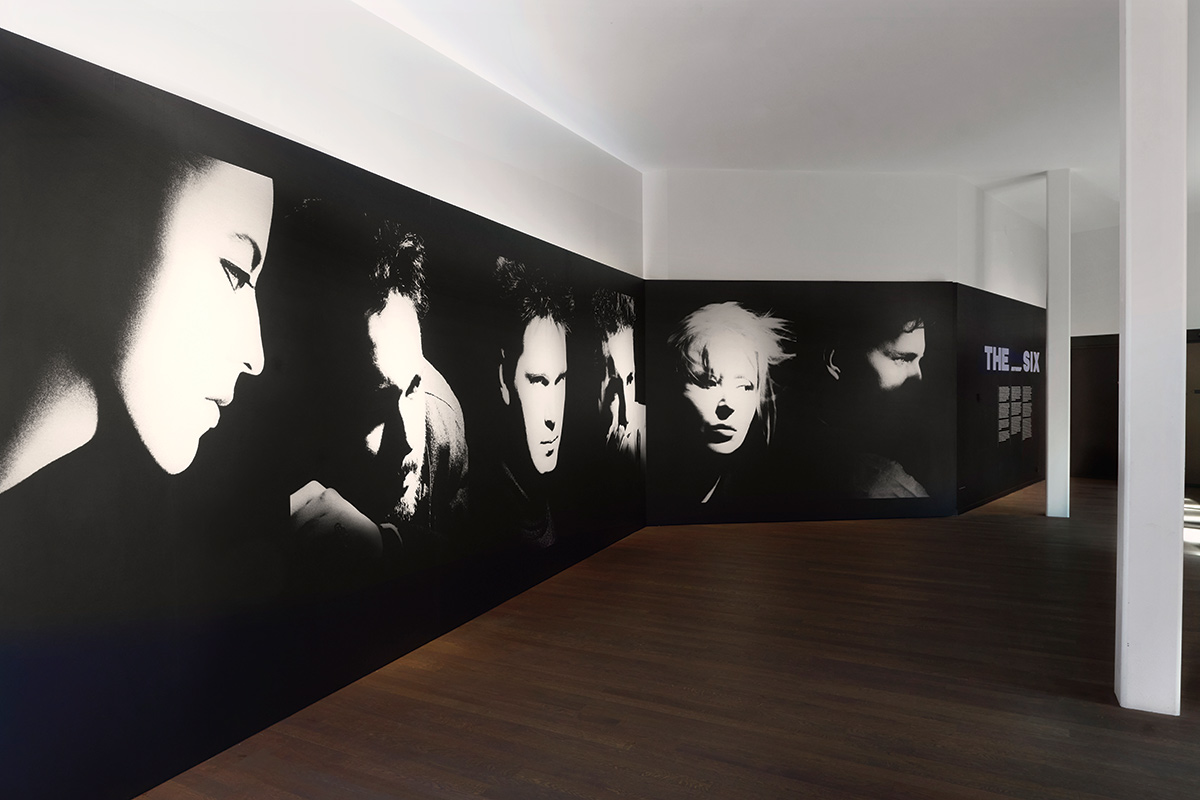
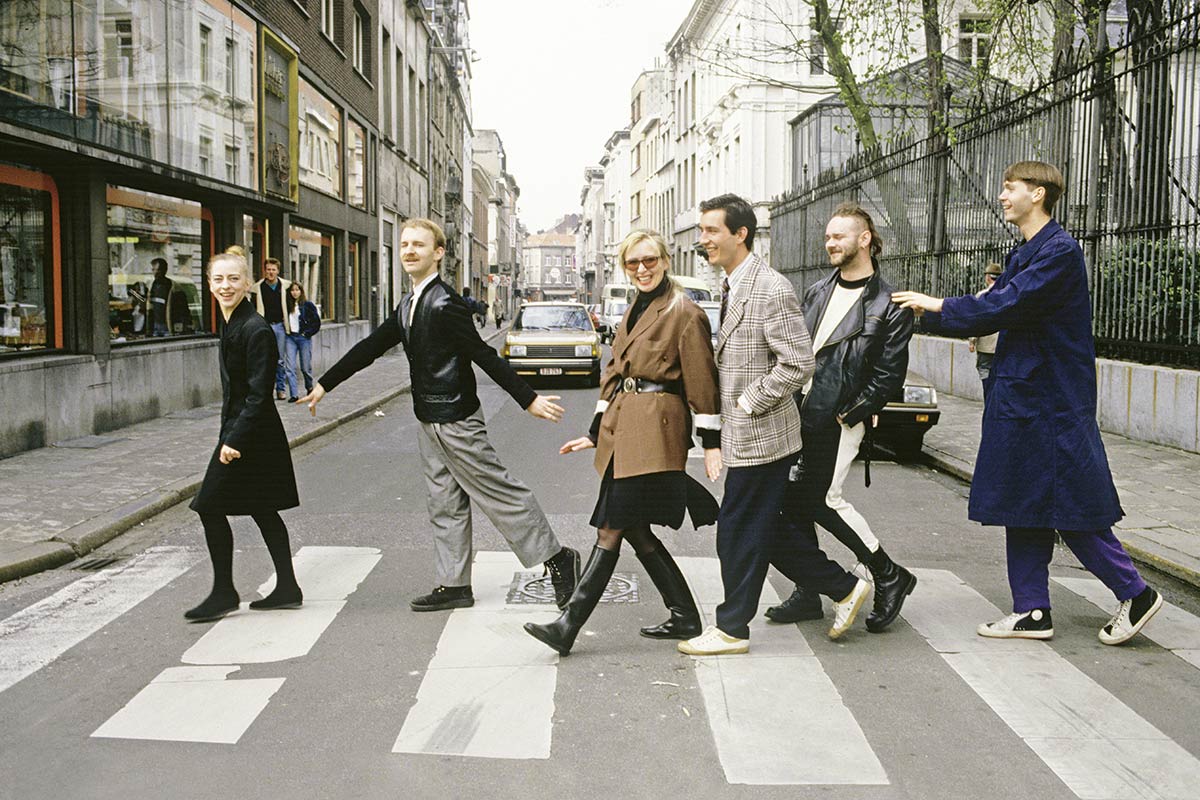
2026 is a special year for the Belgian fashion scene. Exactly 40 years ago, a loose group of young designers from Antwerp caused a sensation at the British Designer Show in London. What began as an impromptu trip by a few graduates of the Royal Academy of Fine Arts evolved into one of the most influential chapters in modern fashion history. The Antwerp Fashion Museum (MoMu) is celebrating this anniversary with the first comprehensive retrospective on the Antwerp Six.
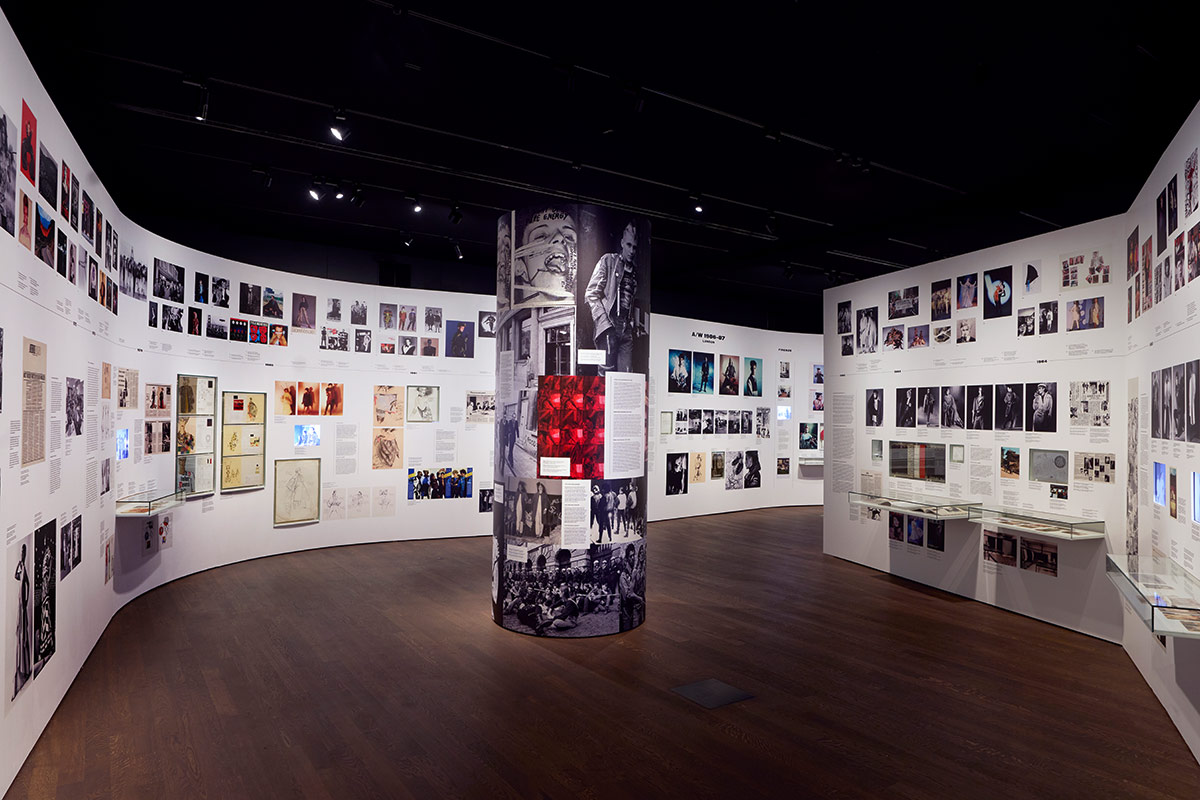
Who are the Antwerp Six?
To understand this generation of fashion designers, you have to travel back to Antwerp in the late 1970s. While Vivienne Westwood and Malcolm McLaren were showing London just how chic “le freak” and “le punk” could be, a vibrant, experimental art scene was taking shape in the city on the Scheldt. In bars, clubs, and squats, punks mingled with New Romantics, drag queens with art academy students, and they all certainly let loose. This was also the case at Cinderella’s Ballroom, a venue where the future Antwerp Six were regulars. Amid this atmosphere, Dirk Bikkembergs, Ann Demeulemeester, Walter Van Beirendonck, Dries Van Noten, Dirk Van Saene, and Marina Yee were studying in the fashion department of the Royal Academy in Antwerp. There, the young designers increasingly clashed with their teachers’ traditional views on fashion and demanded a more contemporary, experimental education. Today, they are regarded as key representatives of Belgian “conceptual fashion,” in which the idea behind a design often carries more weight than its mere beauty.
The Golden Thread of History: The Textile Plan Miracle
When the six of them graduated in the early 1980s, the economic outlook was anything but rosy: Belgium’s apparel industry was in crisis. But following a report by the strategy consulting firm McKinsey, the government launched a five-year textile plan that changed everything. Kaat Debo, chief curator of MoMu, calls it the “Marshall Plan of the Belgian fashion industry.” With the “Golden Spindle” (“De Gouden Spoel”) competition, young Belgian designers suddenly gained exactly what they had been lacking until then: visibility. In 1982, Ann Demeulemeester won the first edition. In 1983, Dirk Van Saene triumphed. In 1985, Dirk Bikkembergs took the prize with an innovative men’s collection. As early as 1984, the future Antwerp Six traveled to Japan as part of the competition. There, they encountered the radical aesthetic of Comme des Garçons, which left a lasting impression.
It is Geert Bruloot, co-founder of the avant-garde Antwerp shoe store Coccodrillo, who finally comes up with the brilliant idea. He wants to take Bikkembergs’ shoe collection to London for the British Designer Show—which at the time was actually reserved exclusively for British designers—and quickly realizes that the other five have to come along. Only Demeulemeester, who is about to give birth to her first child, stays in Belgium, but sends her sunglasses project to London with Bruloot
London, 1986: The moment that changed everything
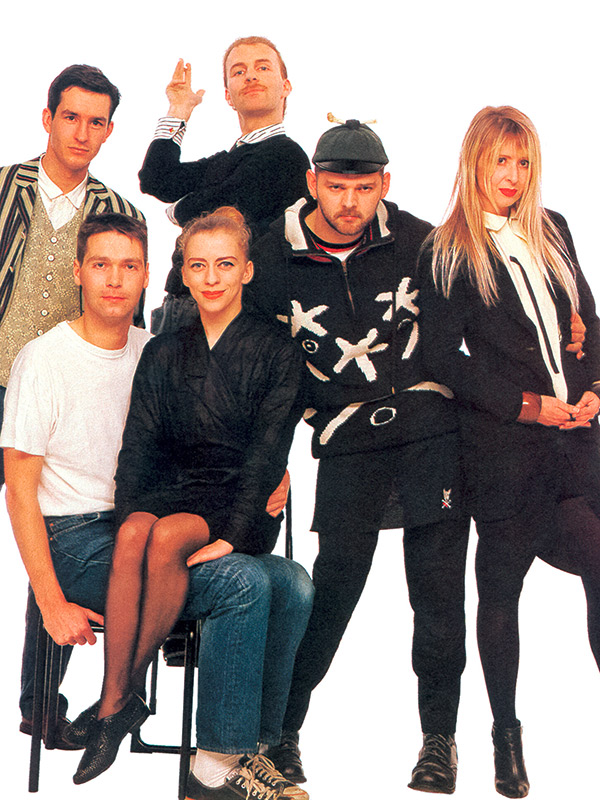
The booth assigned to the recent art academy graduates at the Olympia Exhibition Center—which they share for financial reasons—is as unfavorable as it gets: second floor, nestled among wedding dresses, 64 square meters for six collections. But the up-and-coming designers keep their cool. They promptly print their own flyers, and it doesn’t take long for buyers to show up. Nor does success. Dries Van Noten sells his collection to the renowned department store Barneys New York. After that, everything happens in the blink of an eye: the collections of the six talents are featured in prestigious magazines such as *The Face*, *i-D*, *Elle UK*, and *Harpers & Queen*. Within a few years, the newcomers are considered established names on the runways of London and Paris.
What unites these creative minds is not so much a shared aesthetic—there isn’t one—but rather a distinct, almost guerrilla-like do-it-yourself mentality rooted in technical precision and conceptual depth. To the international press, their emergence was so new and exciting that they came up with a collective name for them: The Antwerp Six. This was in no small part because the Flemish names were difficult for many non-Belgians to remember, let alone pronounce. “The Antwerp Six, in the form we imagine them, never actually existed,” says MoMu curator Romy Cockx. “They met at the academy, but when they went to London together, they only really exhibited as a group for three years. It’s a bit of a myth that has lived on.”
The fact that they were given a label—even though they neither work as a collective nor are building a shared fashion house—served the six designers well, even if they weren’t always exactly thrilled about it. As designer and former Walter Van Beirendonck intern Raf Simons explained to the Fashion Museum, the label was, in his eyes, one thing above all else: “good marketing.” But none of the six had succeeded solely because of the group, “but because they were strong enough as individuals to win over loyal followers.”
The Six People Behind the Legend
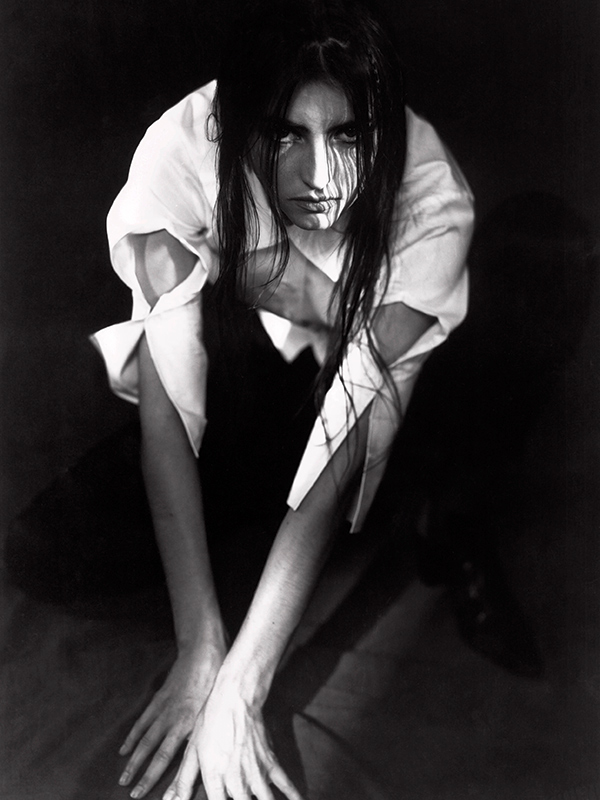
Ann Demeulemeester: The Poet of Fashion
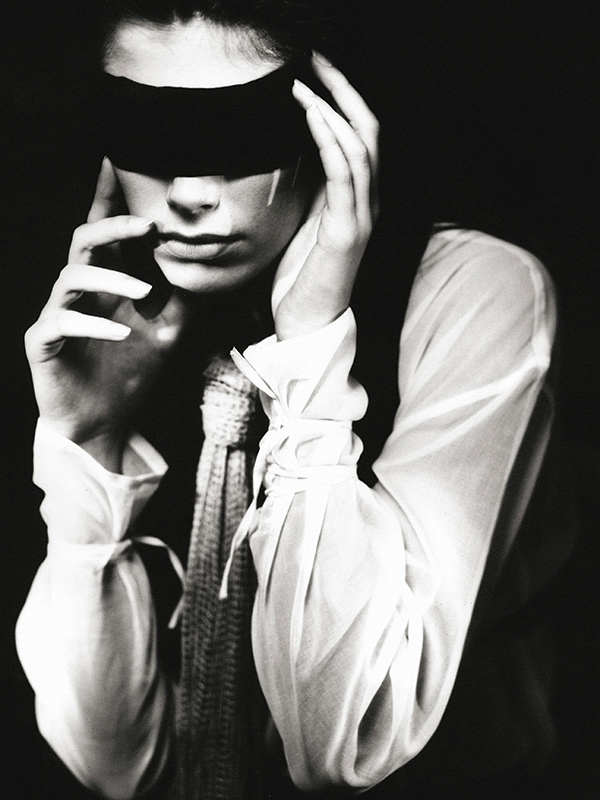
Ann Demeulemeester describes fashion as a complex language that requires introspection. Inspired by female musicians such as PJ Harvey and Patti Smith (she was particularly taken with the cover of the album “Horses”) and the poet Arthur Rimbaud, Demeulemeester’s name is now synonymous with the Belgian avant-garde. Her very first Paris women’s wear show in 1992 was a triumph—the press dubbed her “Queen Ann” and “Ann of Antwerp.” Her designs frequently explored themes such as metamorphosis, identity, androgyny, and sexuality. In 2013, the 66-year-old left her eponymous label and has since been designing porcelain, furniture, and lighting, all imbued with that characteristic dark melancholy for which she is known and loved.
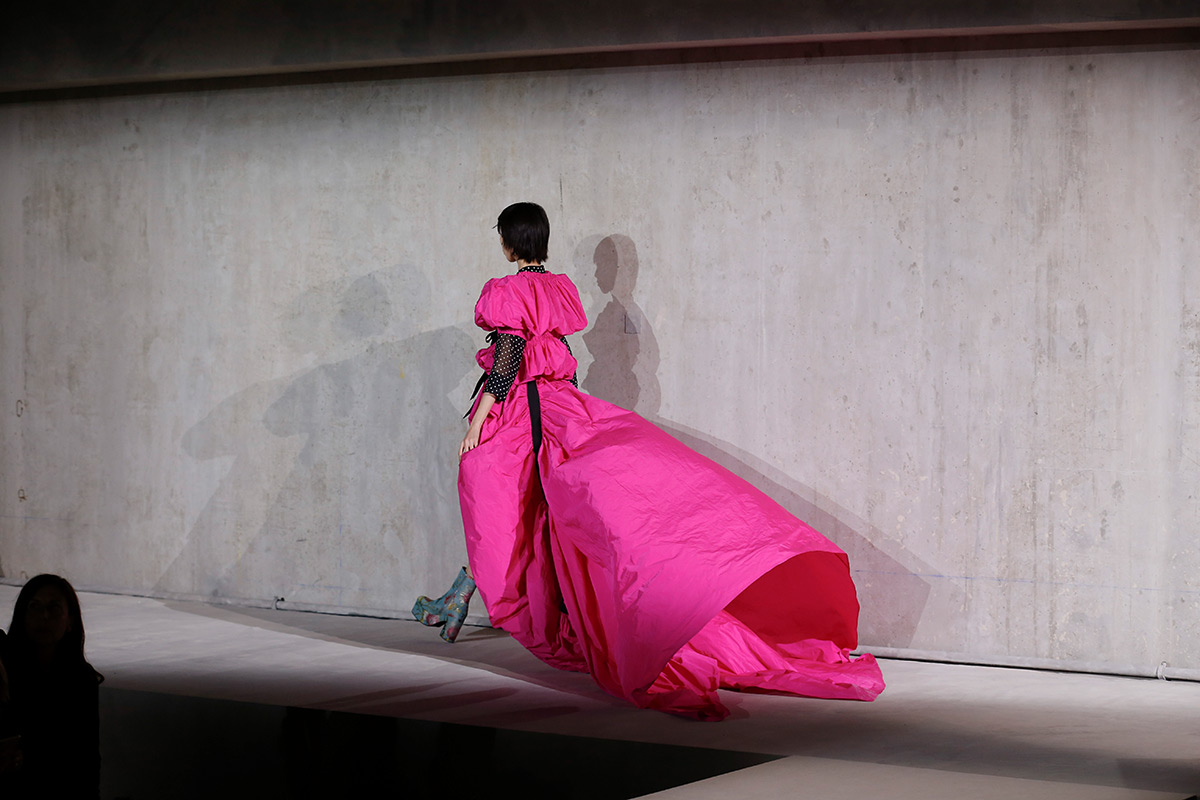
Dries Van Noten: The Master of Prints
Dries Van Noten is considered the most commercially successful member of the Antwerp Six. He became known for his masterful fabric combinations, intricate patterns, and luxurious embroidery. Rather than following short-lived trends, he adheres to his own creative language, shaped by travel and culture. After more than four decades at the helm of his label, the 68-year-old stepped down as creative director in 2024. However, we need not miss his eye for beauty: In April 2026, the creative visionary opened the Fondazione Dries Van Noten cultural foundation in Venice.
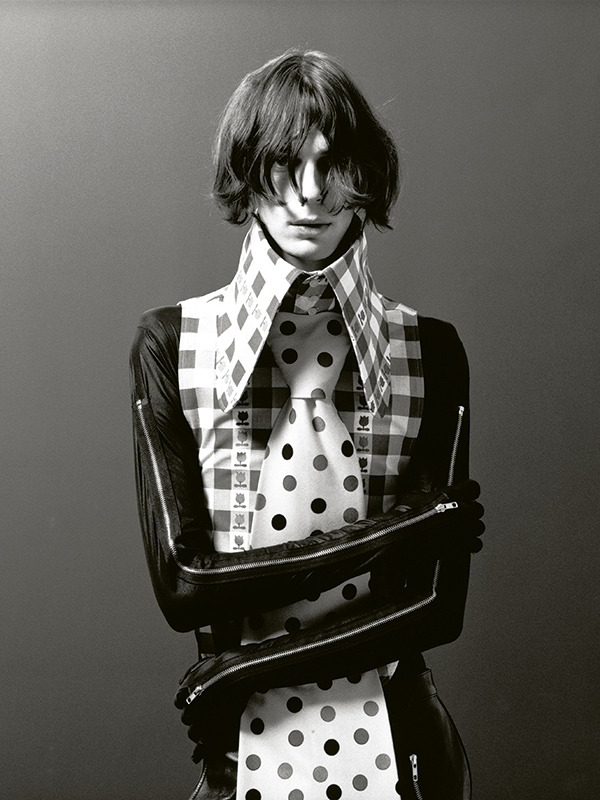
Walter Van Beirendonck: The Enfant Terrible
As early as the 1980s, Van Beirendonck was incorporating themes such as the environment, queerness, racism, and AIDS into his colorful designs—long before the rest of the fashion world was ready. Today, as the long-time head of the fashion department at his alma mater, he shapes the careers of young designers and is considered a key figure in the Belgian fashion scene. In addition to his own label, he has repeatedly taken on commercial projects, including work for brands such as Eastpak, G-Star, Mustang, and IKEA. Fun Fact: In 1997, Beirendonck designed the stage costumes for the Irish band U2’s Popmart world tour, transforming the musicians into colorful, muscular action figures. Success has also followed him outside his work as a designer: in 2001, he launched the biannual fashion magazine *A Magazine curated by*, which is still published today. The 69-year-old’s political stance has not changed. During his show at Paris Fashion Week 2025, for example, the models wore badges reading “peace, not war” in protest against Trump, while John Lennon and Yoko Ono’s “Give Peace a Chance” played in the background. He and Dirk Van Saene have been a couple since their college days—that is, for nearly five decades.
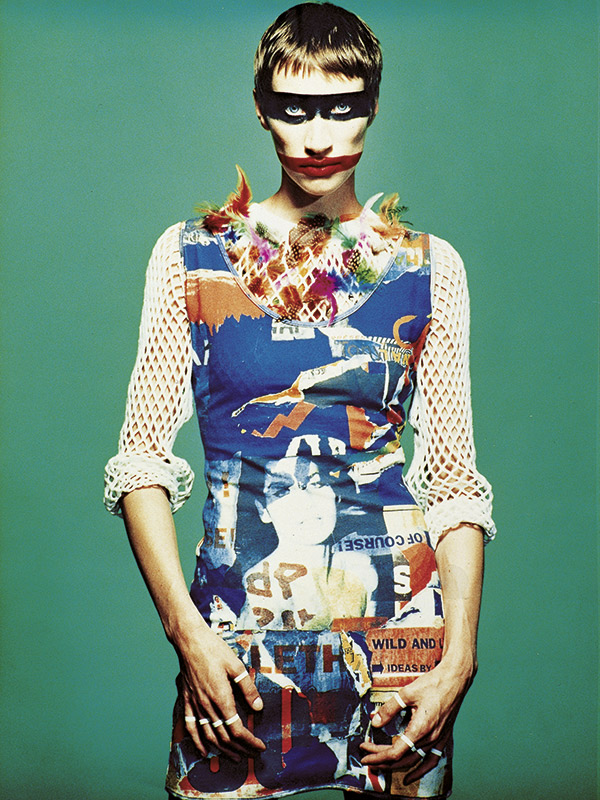
Dirk Van Saene: The Unpredictable One
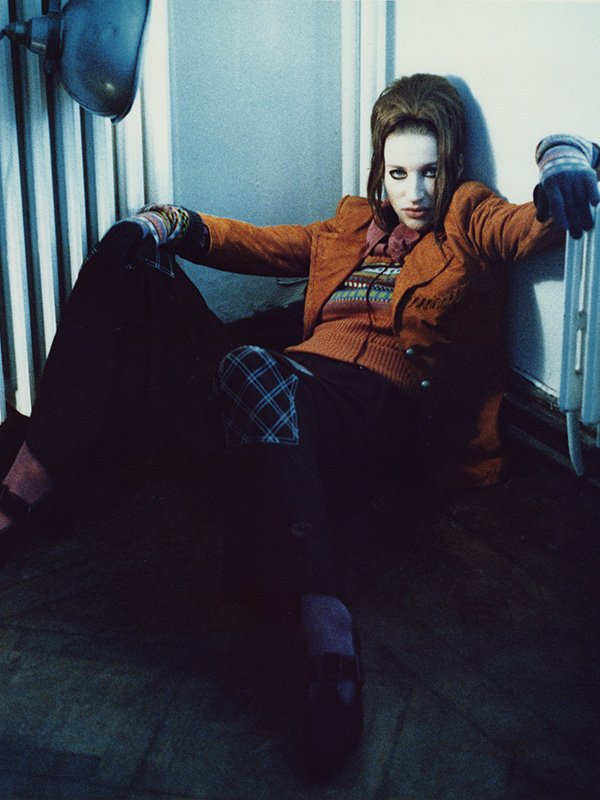
Dirk Van Saene has always been the free spirit of the group. His collections uniquely combined surrealism, humor, and artisanal precision. He loves trompe-l’œil effects, unusual materials, and surprising proportions. While other designers developed clear brand identities, Van Saene deliberately remained unpredictable. Shortly after graduating from the fashion department at the Antwerp Academy in 1981, Van Saene opened his own store, “Beauties & Heroes.” In 2020, he concluded his career as a designer with an acclaimed collection and has since discovered a passion for pottery. Speaking to *Die Presse* about the fashion world, the 67-year-old said: “To me, it feels as though all the magic is gone—just the fact that we used to have to wait months for the magazines after the shows to see the collections. Today, they’re often already sold out by the time they appear on the runway.”
Dirk Bikkembergs: The Couturier for The Beautiful Game
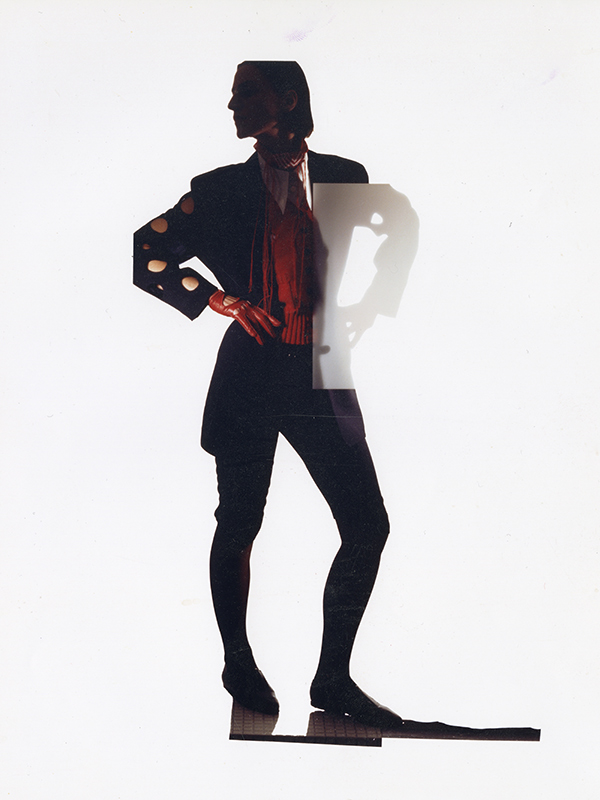
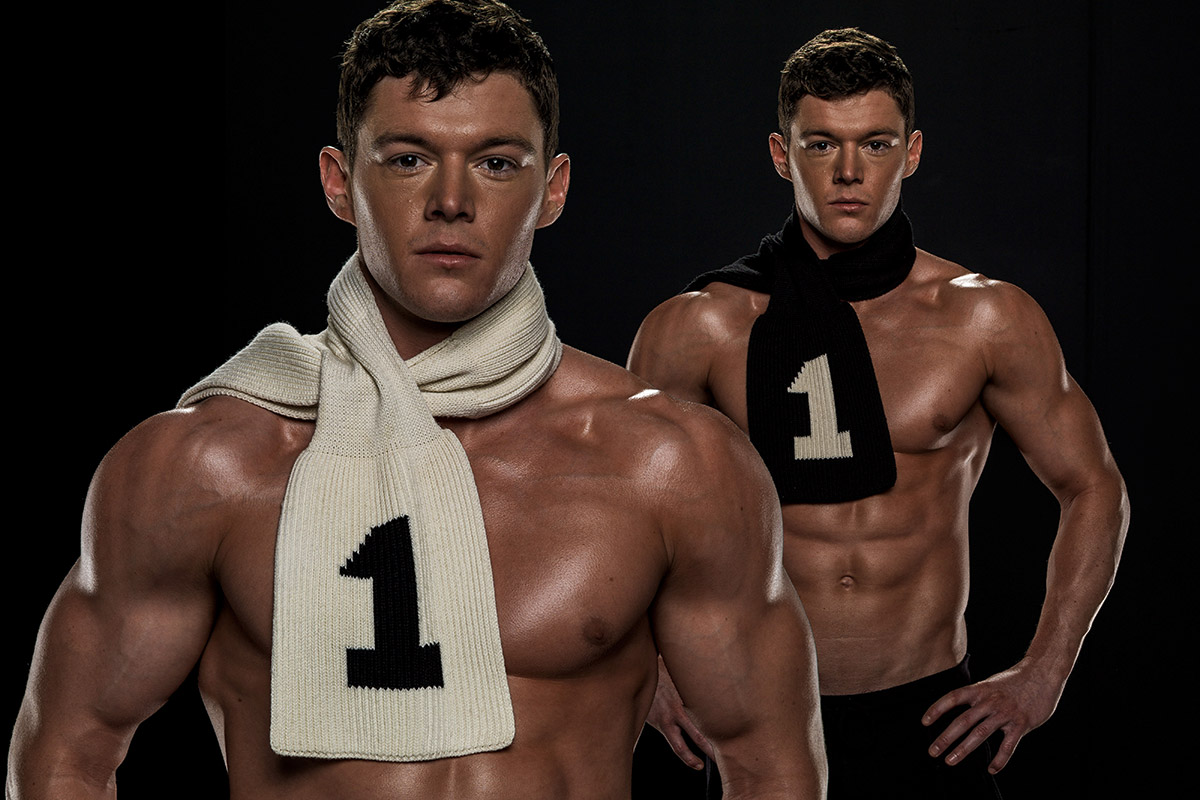
Even before athleisure became a global trend, Bikkembergs placed the athletic male physique at the center of his designs (some might even say somewhat obsessively). His sturdy leather shoes became cult classics in the late 1980s. Later, the Belgian designer revolutionized men’s fashion with the concept of “Sport Couture” and was one of the first designers ever to collaborate closely with professional soccer teams. The son of a Belgian father and a German mother served as the official designer for the top Italian club Inter Milan from 2003 to 2005 and, in 2005, acquired the Italian amateur club FC Fossombrone, which he renamed F.C. Bikkembergs Fossombrone and used it as a testing ground for his sports collections. In an interview with Wanderful Magazine, the 67-year-old designer cited “Nike, Bruce Weber, and Giorgio Armani” as his main influences. In 2011, at the height of his success, Dirk Bikkembergs sold his company and has largely withdrawn from the glitzy fashion world.
Marina Yee: The Visionary of Upcycling
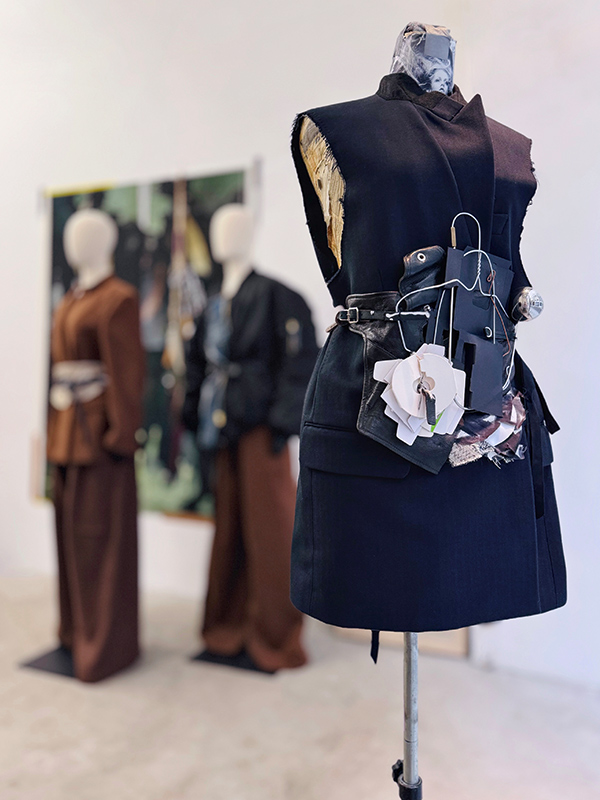
Long before terms like “circular fashion” or “upcycling” became part of the fashion industry’s standard vocabulary, the Belgian designer was already working with existing garments. She searched flea markets, thrift stores, and even landfills for forgotten textiles and transformed them into new, unique creations. She sewed scraps of fabric together, wore shirts inside out, wore underwear over her clothes, and deliberately left hems open and threads hanging. Incidentally, it was also Yee who provided the decisive impetus in London in 1986: When the group was awkwardly placed on the upper floor of the Olympia Exhibition Center, she spotted a photocopier, grabbed some tape, and rallied the others with the cry, “We’re all going to be famous!” In 1988, however, she experienced a painful moment. At the debut show of her onon-and-off lover Martin Margiela, Yee recognized many design elements that observers would later associate with her own work—from the asymmetrical cuts and layering techniques to the models who looked strikingly similar to her. While Margiela rose to become a star of the avant-garde, her own contribution was long overshadowed. After initially working for brands such as Gruno & Chardin, Yee founded her own line, Marie, in 1986, which she ran until 1990; she later taught at renowned institutions such as the Saint-Luc Institute in Tournai. After years away from the fashion world—during which she designed theater costumes and opened a café in Brussels—the talented illustrator returned in 2021 with her label M.Y. Collection, making upcycling the core of her work. Marina Yee died in November 2025 at the age of 67 from cancer. “Her work was radically honest, poetic, and characterized by respect for both people and materials,” said MoMu Director Kaat Debo in her tribute.
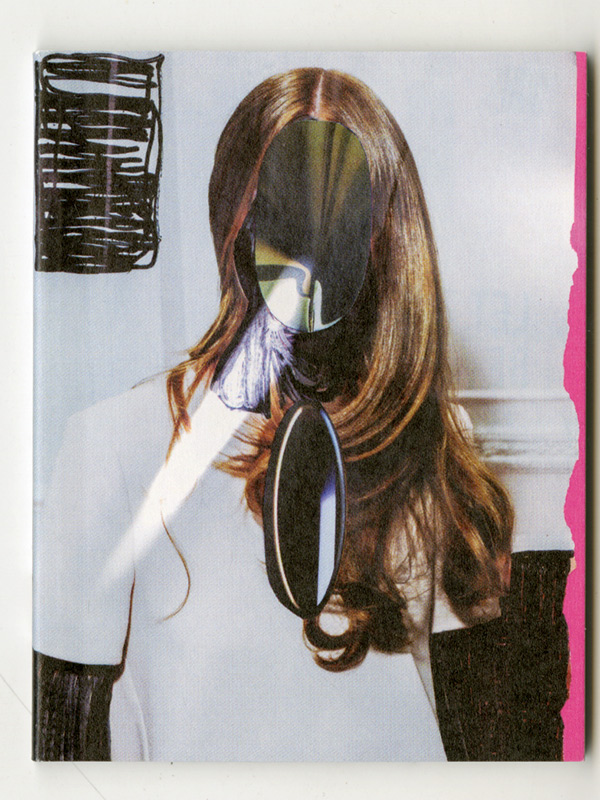
Why were the Antwerp Six so revolutionary?
In the 1980s, fashion was often dominated by status-consciousness and commercial luxury—not to mention trends like oversized shoulders, power dressing, and neon colors. The Antwerp Six countered this with a completely new approach. They viewed fashion not as a consumer product, but as a means of cultural expression. While icons like Claude Montana, Thierry Mugler, and Jean Paul Gaultier showed the young Belgians that fashion could be more than just beautiful clothing, the group took it a step further: Instead of focusing on spectacular productions or glamour, they developed an intellectual form of fashion. Their designs were more heavily influenced by art, music, and literature than by the traditional notions of luxury instilled in them during their studies. Artists such as The Cure, Joy Division, Nick Cave, David Bowie, Kraftwerk, and Einstürzende Neubauten had a decisive influence on the creative work of the Antwerp Six. This creative independence made today’s fashion giants the trailblazers of a new generation of designers. Much like the Japanese avant-garde designers Yohji Yamamoto and Rei Kawakubo (Comme des Garçons) had demonstrated a few years earlier, Ann Demeulemeester, Dirk Bikkembergs, Dries Van Noten, Walter Van Beirendonck, Marina Yee, and Dirk Van Saene proved that fashion can be both emotional and wearable.
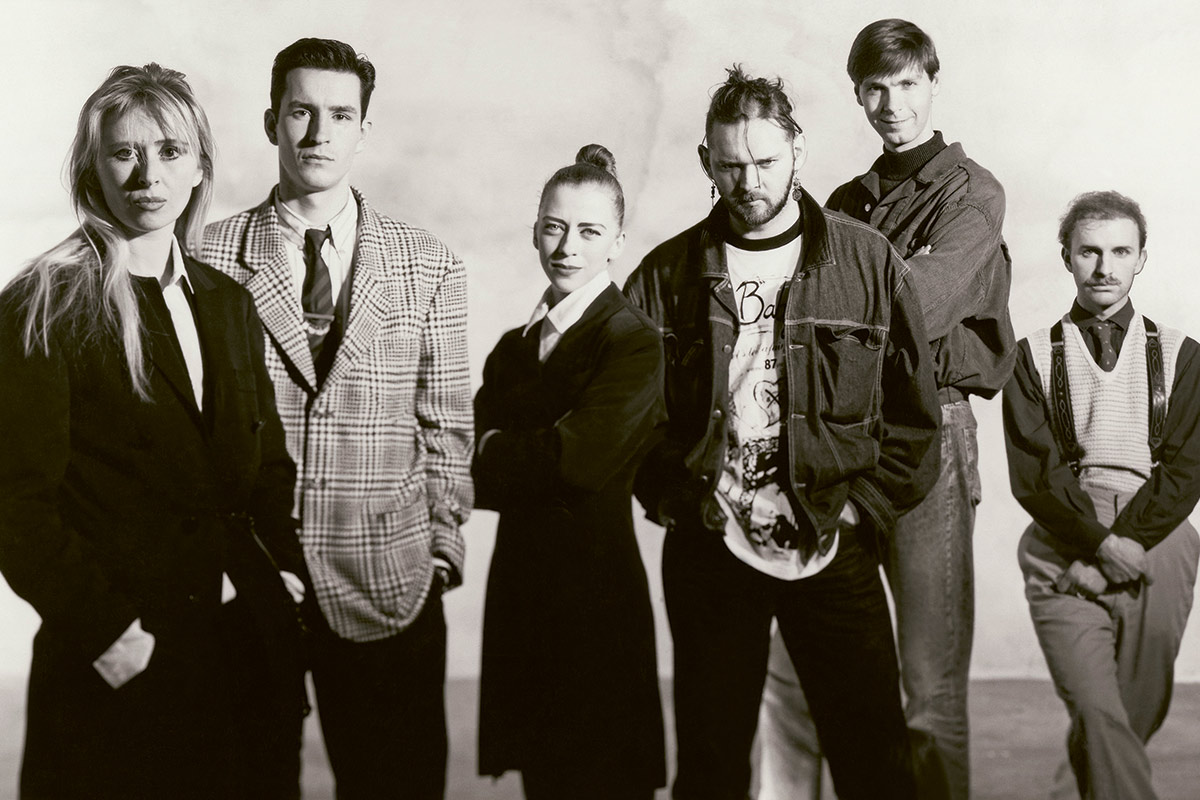
What Remains: The Legacy of the Antwerp Six
Perhaps the greatest achievement of the Antwerp Six is that their influence extends far beyond their own careers. They established Antwerp as a major fashion city and built the international reputation of the Antwerp Fashion Academy, which is still regarded today as a breeding ground for talent. Their legacy is directly evident in the careers of those who followed in their footsteps: Matthieu Blazy at Chanel, Glenn Martens at Maison Margiela and Diesel, Anthony Vaccarello at Saint Laurent, Demna Gvasalia at Gucci, and Meryll Rogge—all of whom studied at the Antwerp Academy or at La Cambre Mode[s] in Brussels.
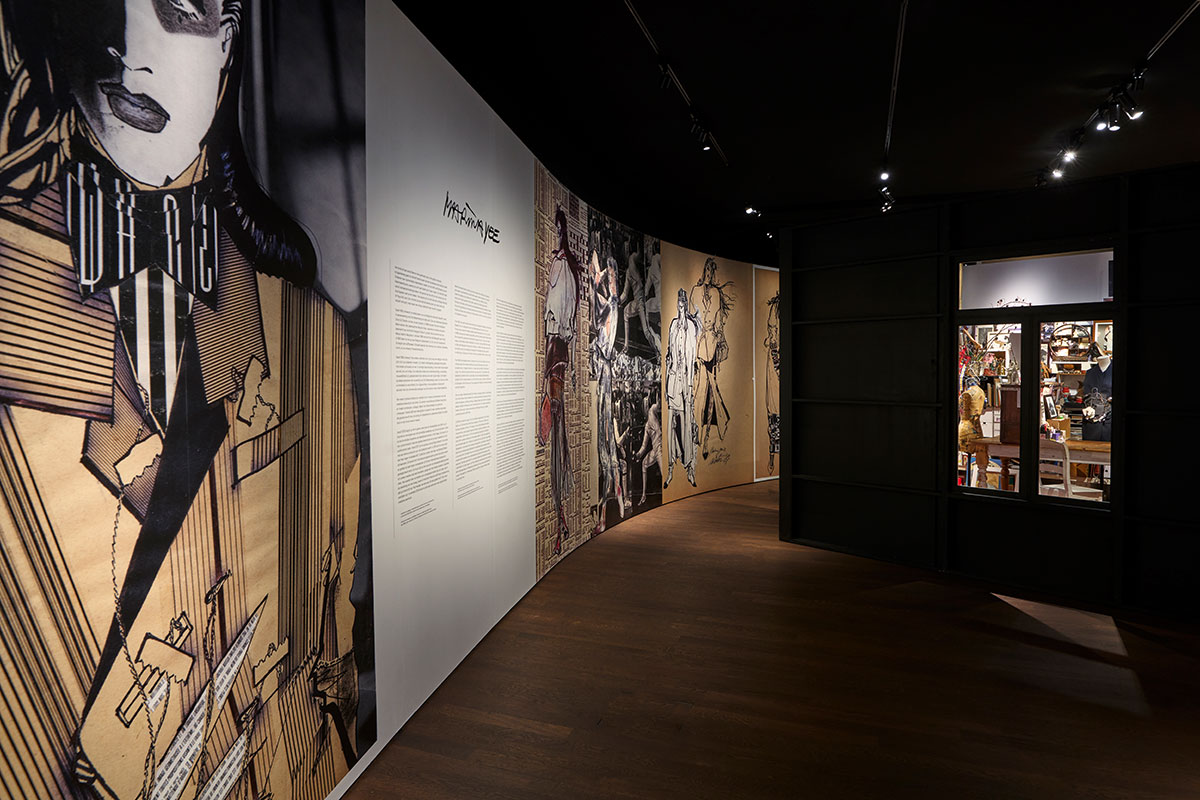
The Exhibition
The anniversary exhibition at MoMu is the first to be dedicated to all six designers who catapulted Antwerp onto the global fashion scene in 1986. At the same time, it recognizes their distinct profiles by dedicating a separate room to each designer.
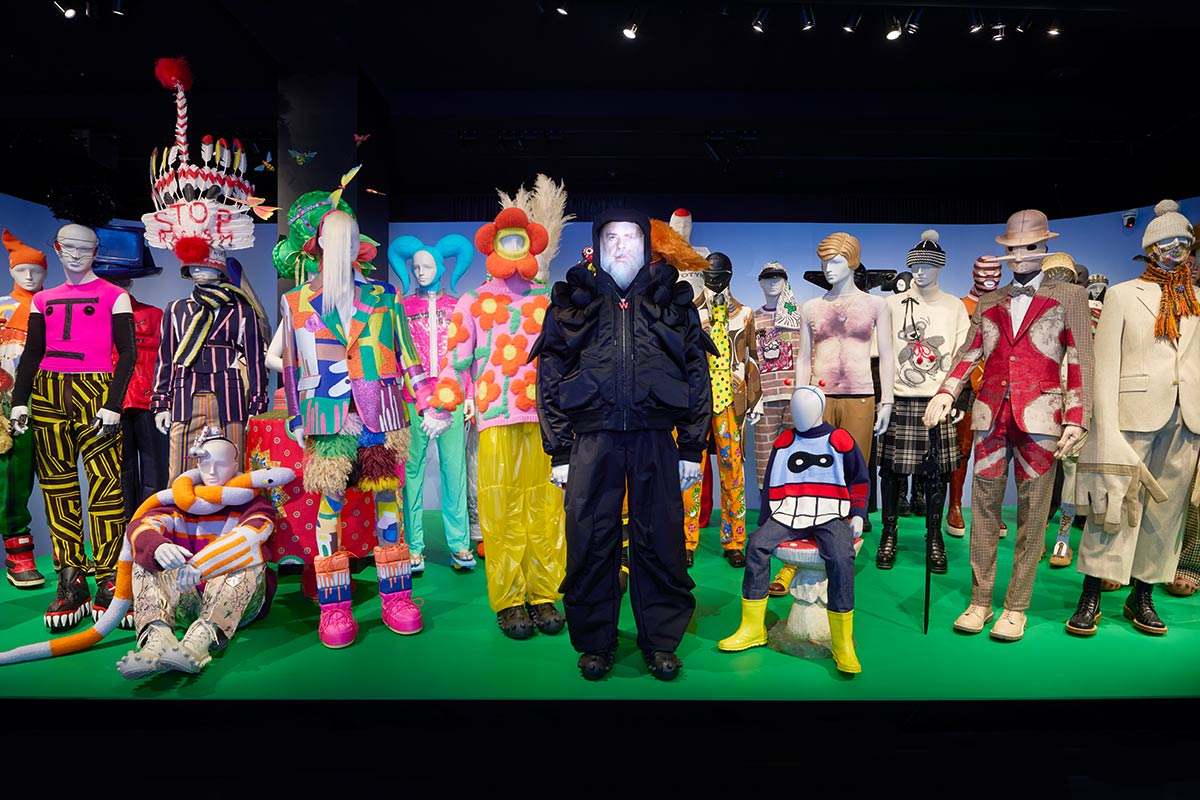
The exhibition will be on view through January 17, 2027. Until then, Antwerp is definitely on our editorial team’s travel list.
Here you can find out everything about the fantastic exhibition at MoMu—and, of course, buy your tickets right away.
Photos: ©MoMu
Want more in-depth features? Read our profile on Blondie singer Debbie Harry here.