
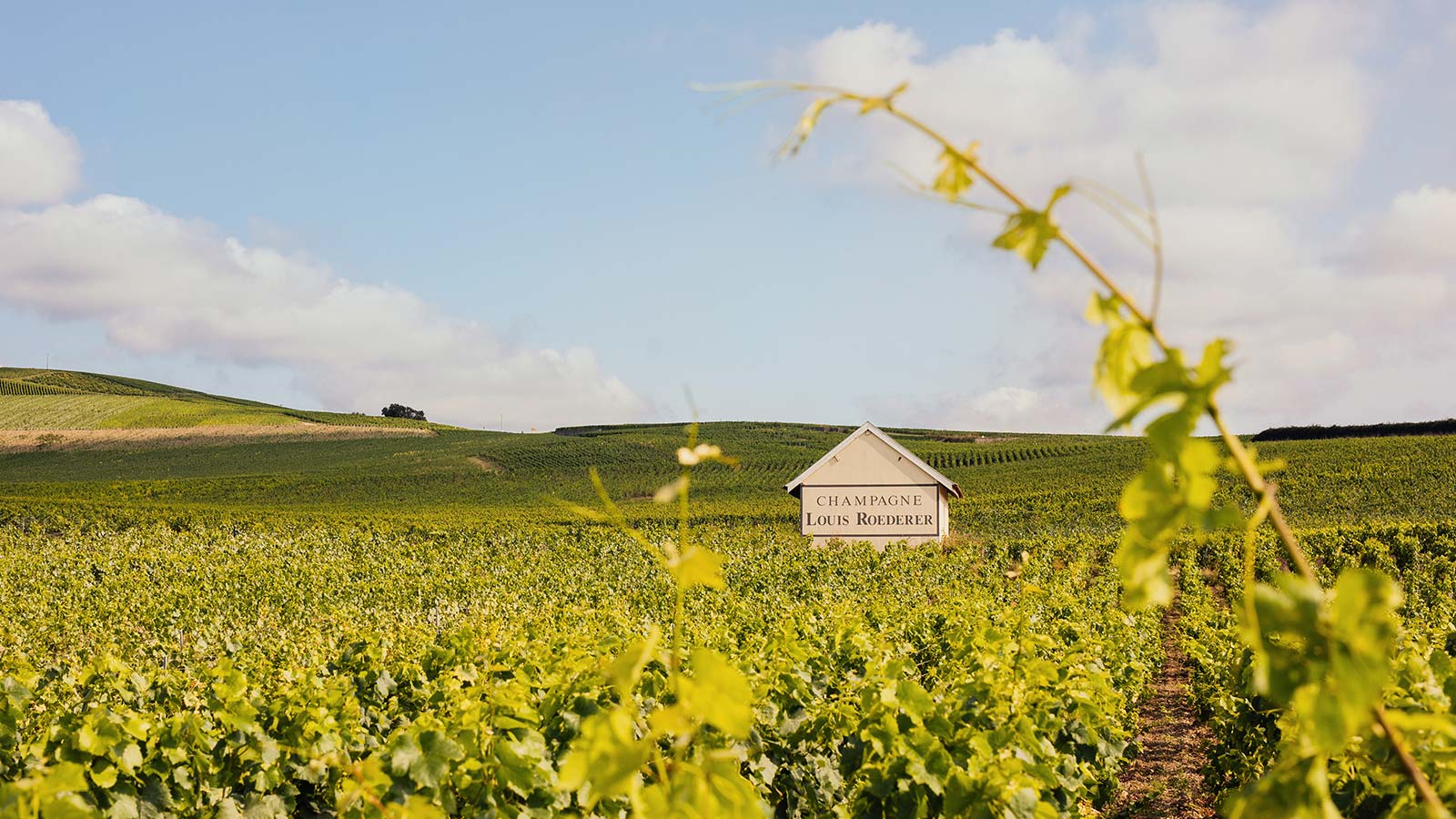
250 years ago, there was no electricity, no cars, and no antibiotics. But even back in 1776, people could already raise a glass to a much simpler life—with Louis Roederer. This year, the French champagne house is celebrating its 250th anniversary.
Celebrating an anniversary always goes hand in hand with nostalgia and sentimentality—especially when it’s a monumental milestone like a quarter-millennium. Just imagining what everyday life was like for people 250 years ago requires quite a bit of imagination in our rapidly changing world.
Louis Roederer was founded in Reims, France, in 1776 and is one of the few major Champagne houses that remain independent and family-owned to this day. In 1833, Louis Roederer inherited the Maison, thereby giving it its current name. There have been several milestones in Roederer’s history. In 1876, for example—exactly one century after its founding—Roederer created Cristal, the first prestige champagne, for Tsar Alexander II.
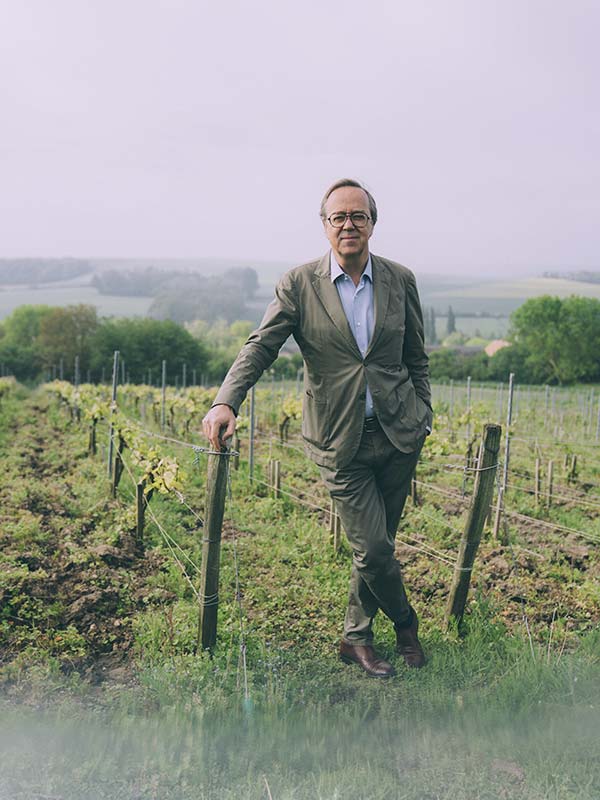
The pursuit of uniqueness and freedom continues today into its seventh generation—led by Frédéric Rouzaud, whom we were delighted to welcome as a speaker this summer at our FACES x Forbes Luxury Summit at the Dolder Grand in Zurich.
Here’s to the next 250 years
Amid all the celebrations and reminiscing about the past, however, we mustn’t forget the future. After all, people surely won’t want to go without delicious champagne over the next 250 years either.
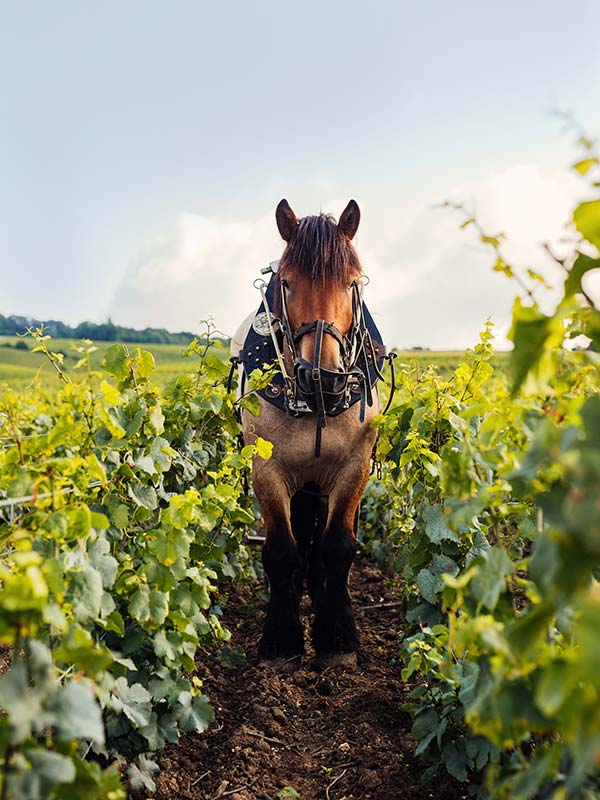
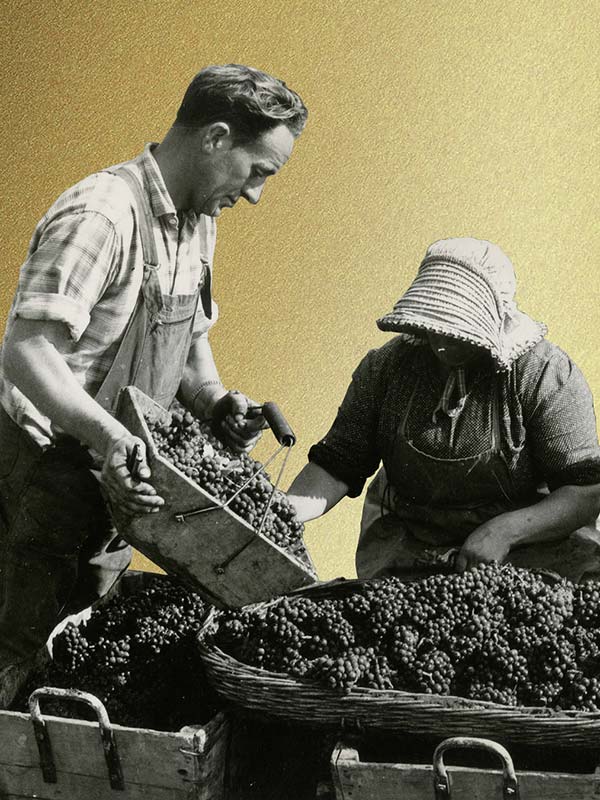
Roederer is adapting not only to the changing climate but also to its customers’ growing environmental awareness. The estate’s vineyards are spread across the Montagne de Reims, the Vallée de la Marne, and the Côte des Blancs. For Roederer, sustainable and responsible viticulture is essential. For example, the company does not use herbicides. On some plots, horses are used—after all, not everything needs to be adapted to modern methods. Today, Louis Roederer owns the largest vineyard in Champagne dedicated to organic viticulture, comprising 135 hectares of certified organic vineyards. The grapes are harvested by hand, and each plot is vinified separately.
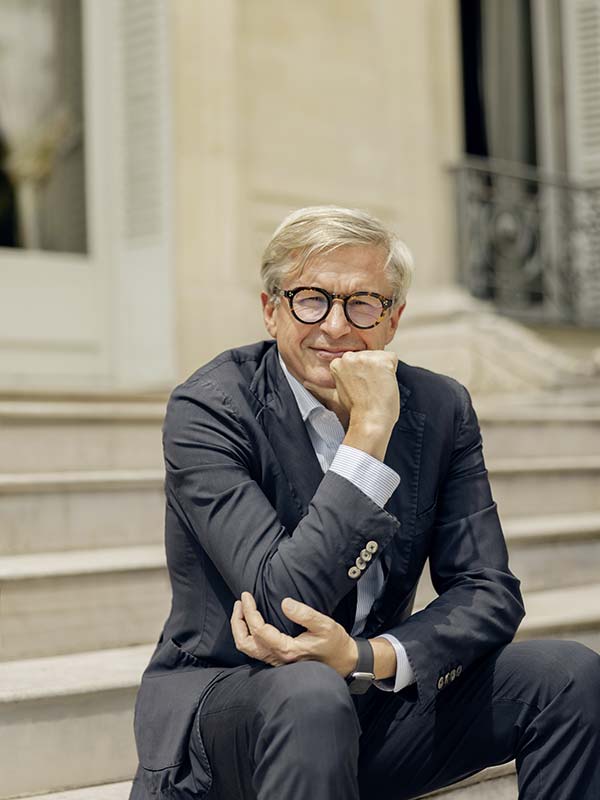
“In the 21st century, we must fight to protect nature. It has never been more important to respect the Earth. Respect for nature helps increase the resilience of the vines, foster the greatest possible diversity, enrich the ecosystem with numerous species, and chart our own course,” says cellar master Jean-Baptiste Lécaillon. If Louis Roederer continues to adhere to these principles, nothing will stand in the way of another successful quarter-millennium.
Here, you can delve even deeper into the history of Louis Roederer.
Photos: © Los Roederer
If you’re not in the mood for champagne, here are our favorite cafés in Zurich.