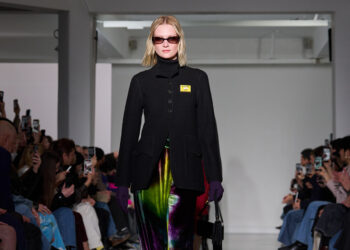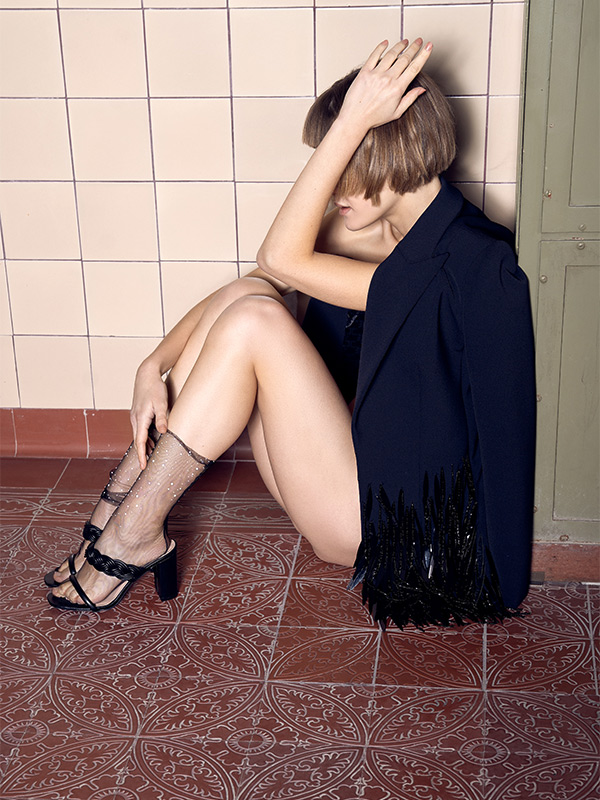

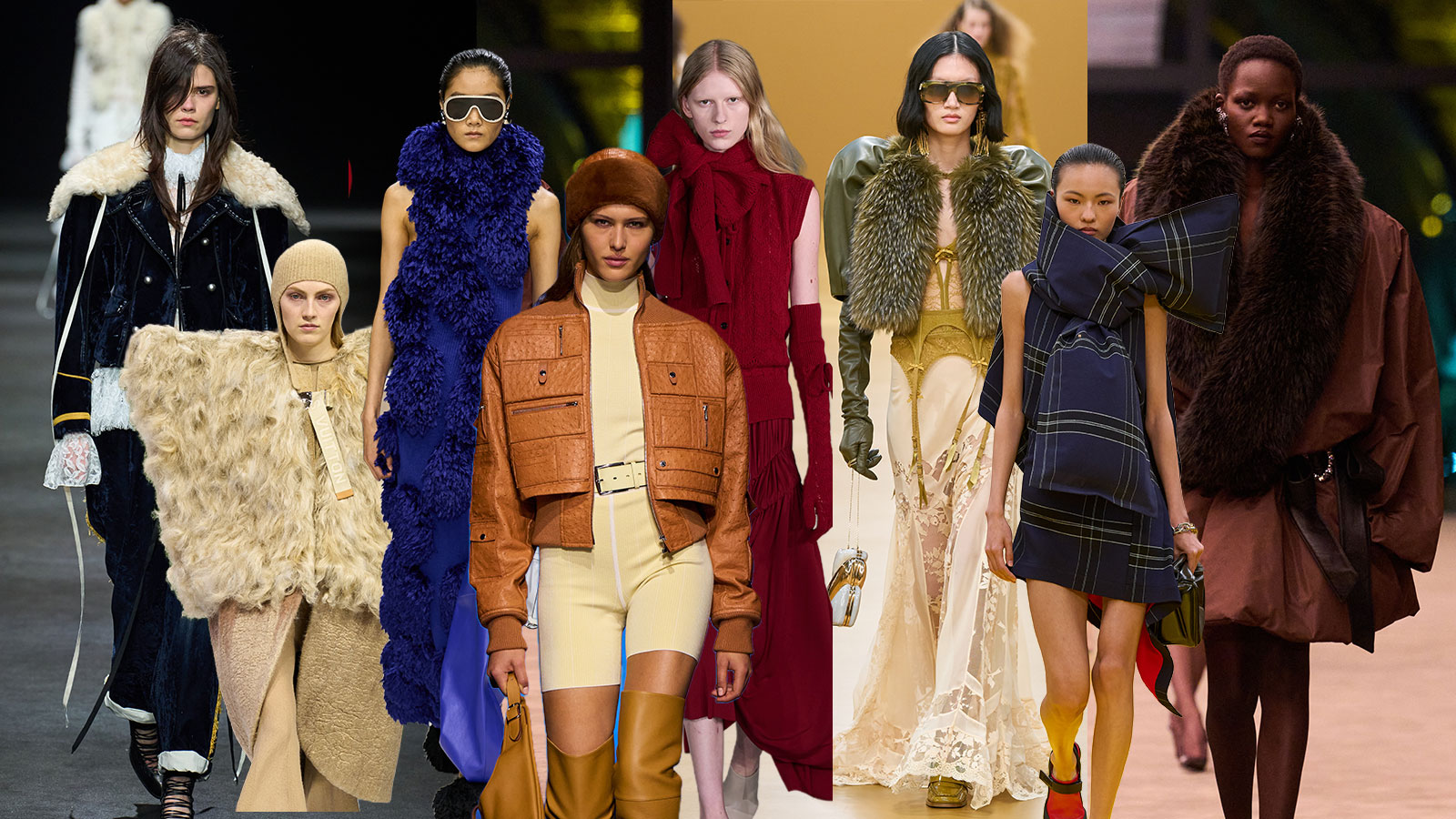
Fashion Month follows a certain rhythm in which each city plays its own role. New York is the business machine, where designers have to show that their brands can scale globally and hold their own commercially – this is the clarity behind labels such as Michael Kors or Tommy Hilfiger. London has long been regarded as a hotbed of talent, where designers such as JW Anderson, Simone Rocha and Grace Wales Bonner develop their signature style before taking off internationally. Milan, on the other hand, remains the stronghold of craftsmanship. Houses such as Giorgio Armani and Prada show how tradition and technical precision can sustain fashion for decades.
Paris, however, is something completely different. It is the city where the most powerful fashion houses – Dior, Chanel, Hermès and Louis Vuitton – carry the burden of history while shaping the future of fashion.
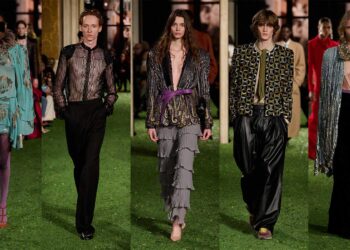
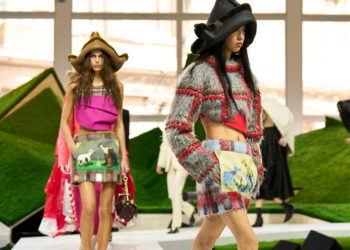
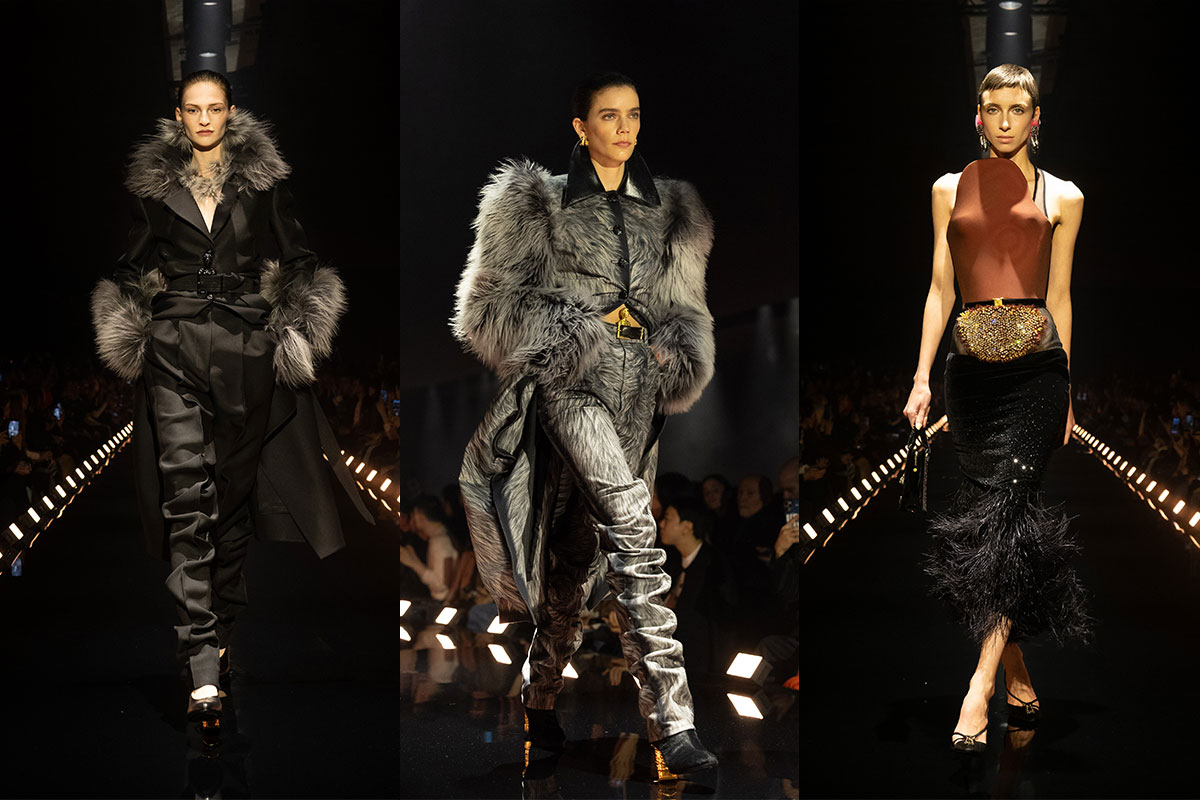
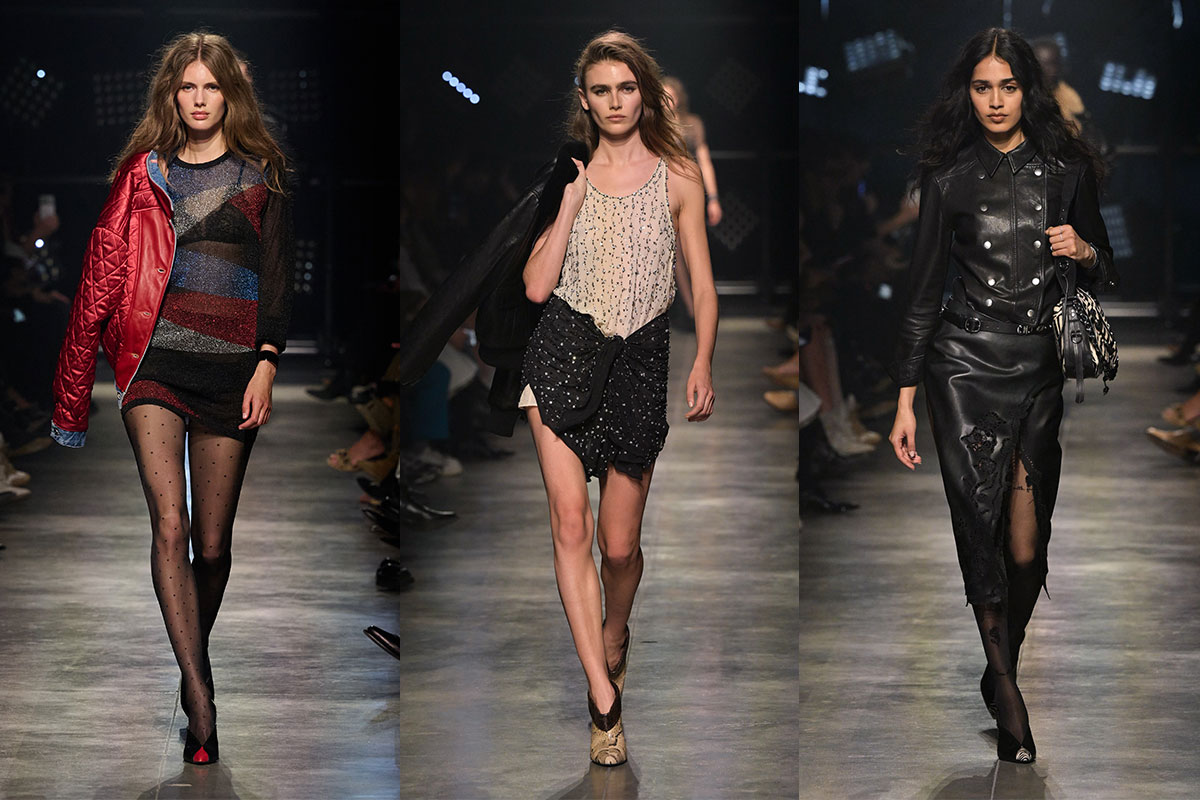
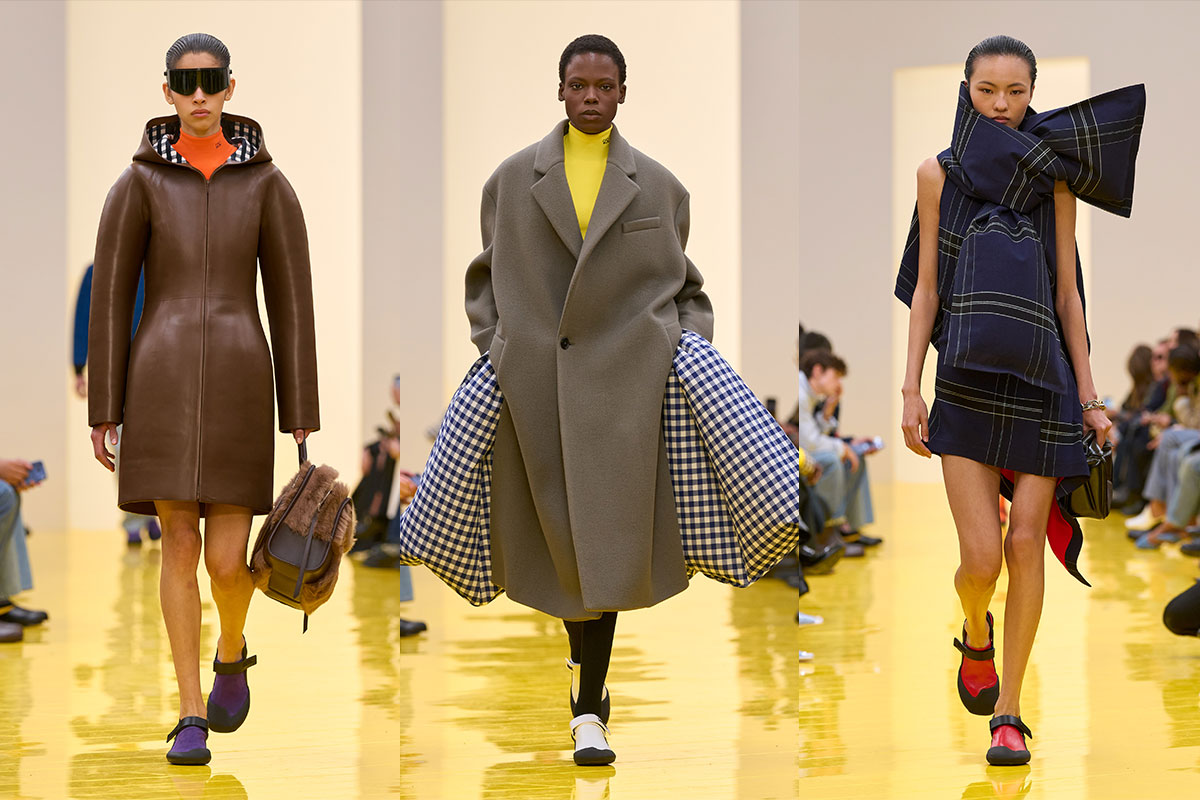
This season, the focus on the Paris runways was clearly on outerwear and sculptural silhouettes. Statement coats were particularly striking at Louis Vuitton, Loewe and CFCL. There, oversized and sculptural coats anchored the silhouette with strong volumes and architectural shapes and formed the visual climax of the collection. Quilted and padded outerwear at Isabel Marant, Dries Van Noten and Anrealage also brought a tactile depth to the layering looks.
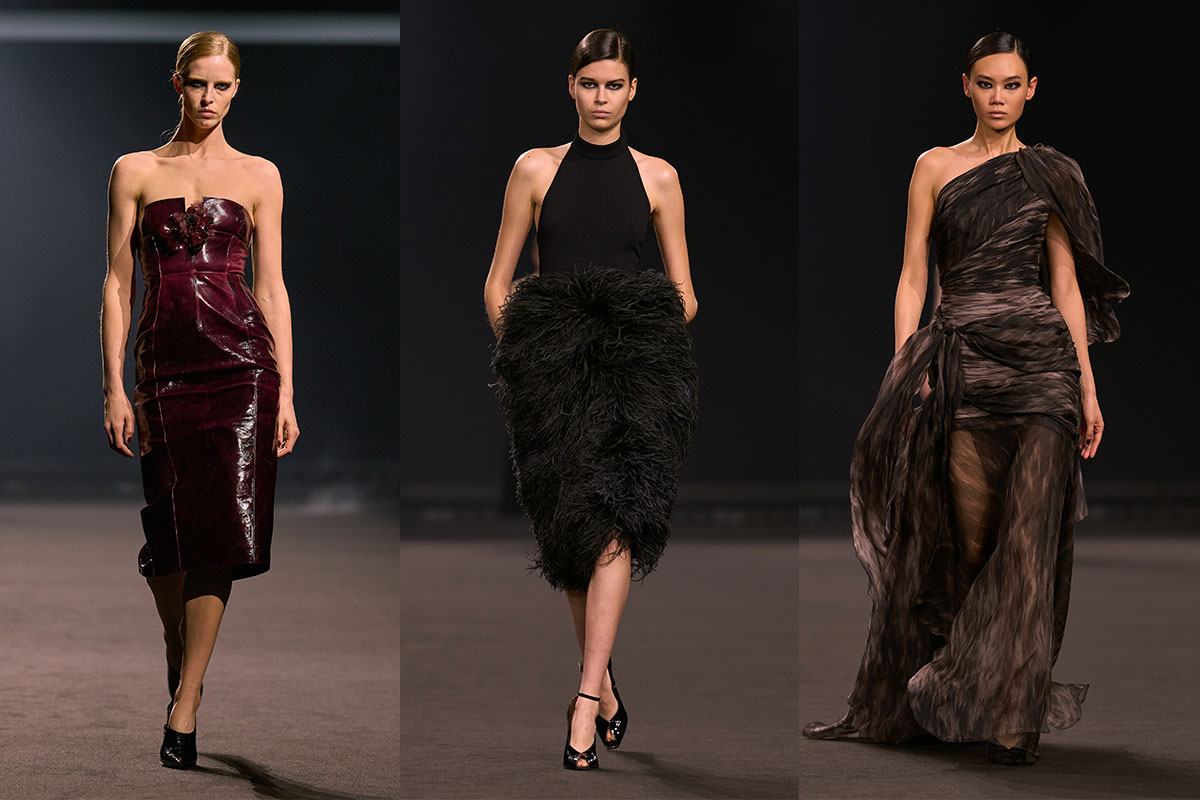
Silhouettes and tailoring also stood out. Column-like silhouettes could be seen at houses such as Alainpaul, Elie Saab and Alexander McQueen – each interpreting this shape in their own way. Striking shoulders defined the tailoring: sometimes sharply constructed, sometimes softly lowered. At Balmain, Anrealage, Saint Laurent and Stella McCartney, this created strong, self-confident profiles. At Chanel, the silhouette became softer: flowing fabrics and lowered waists created movement and lightness without losing the timeless elegance of the house.
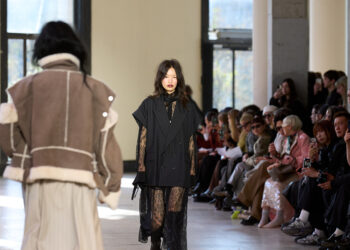
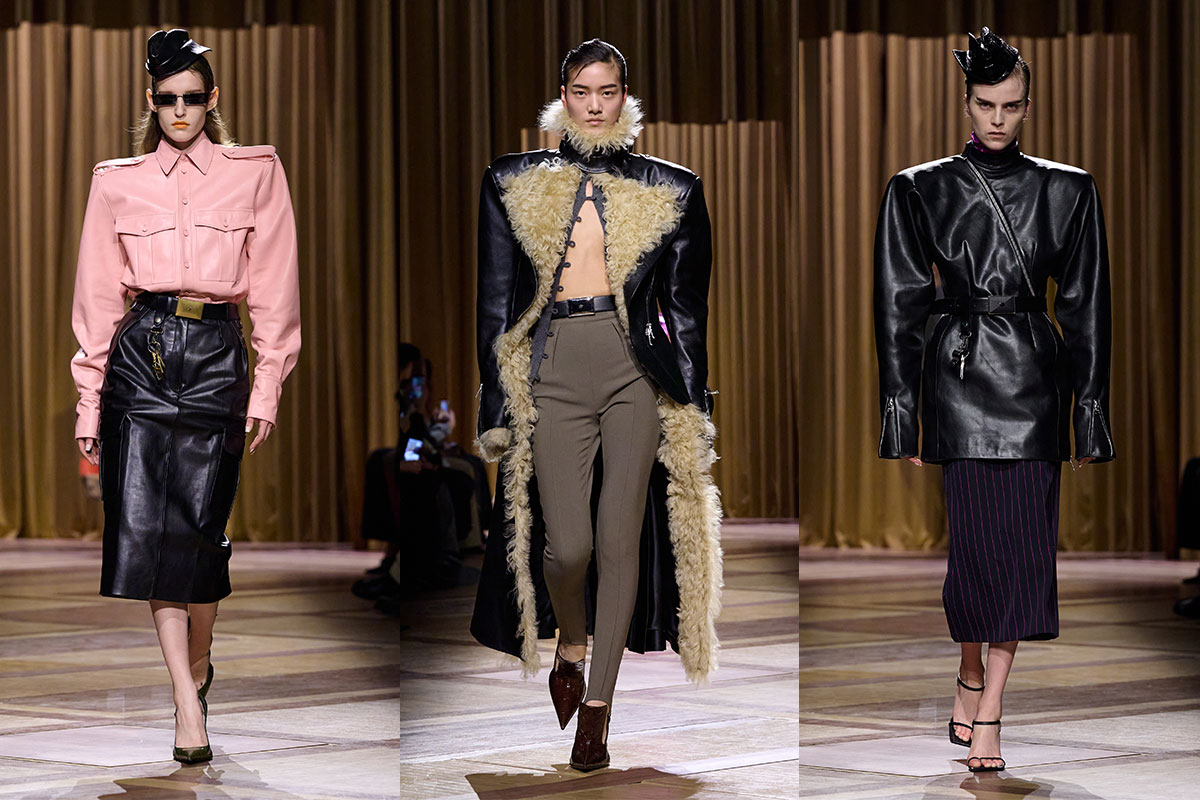
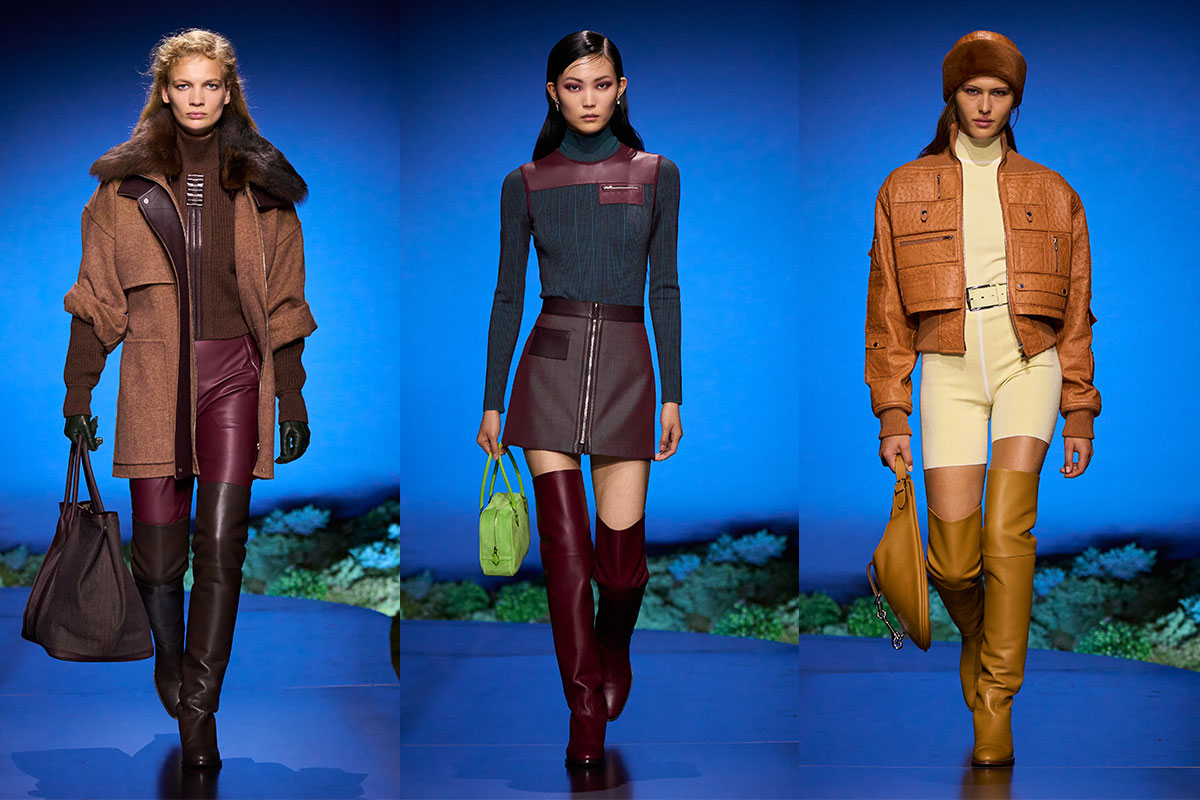
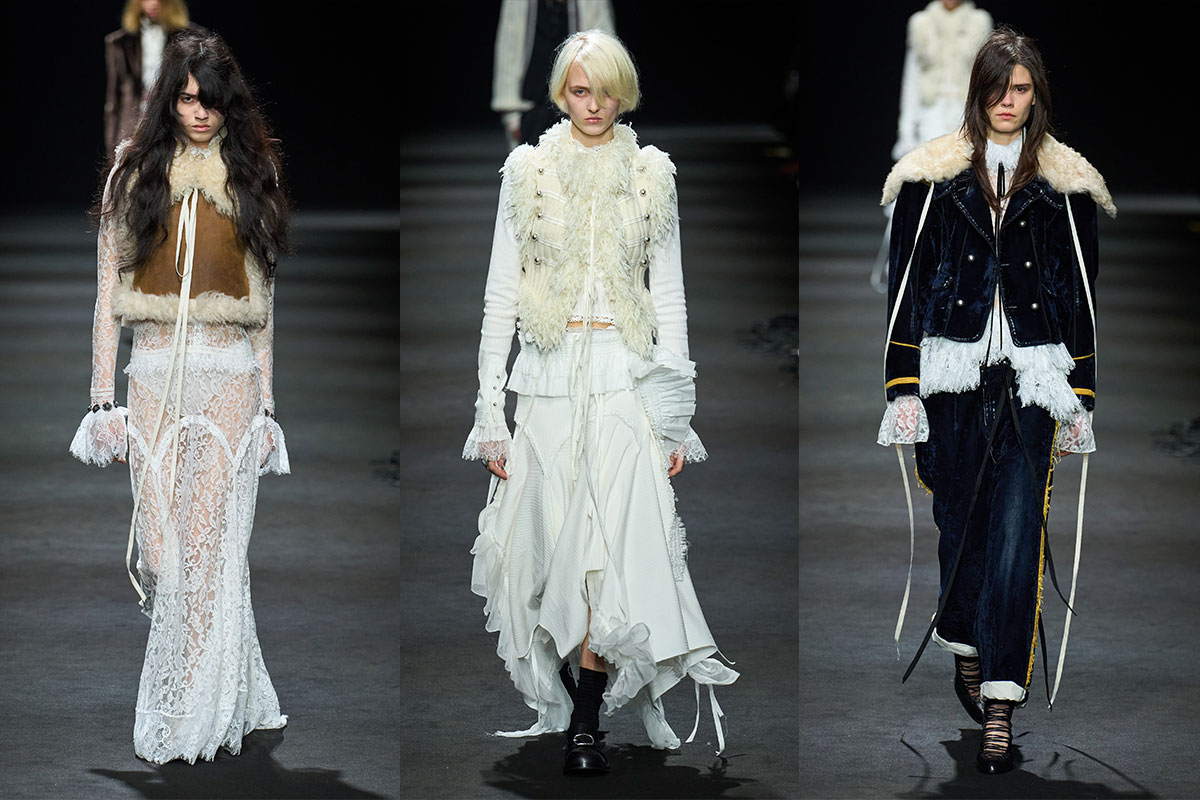
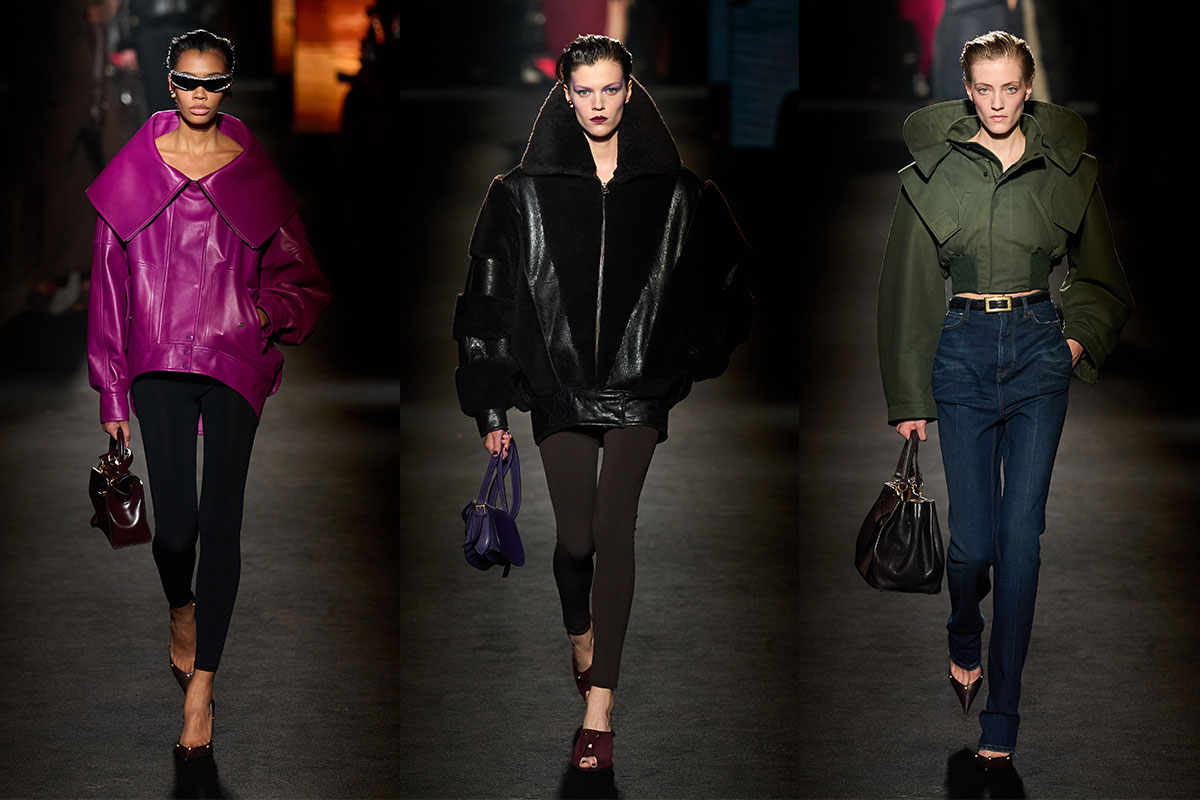
Material contrasts and precise workmanship gave the collections additional depth. Fur trims – for example at Dior, Zimmermann and Ann Demeulemeester – brought structure and winter drama. Leather inserts and sculptural leather pieces appeared on many runways, especially at Balenciaga, Alaïa and Louis Vuitton. At Hermès, materials such as wool and leather were combined, while functional elements such as pockets, zippers and precise hardware sharpened the construction and added a utilitarian accent. This underlined the house’s mastery of leather tailoring and Nadège Vanhée’s flair for refined design subtleties. At Ujoh, Mitsuru Nishizaki introduced lace into the collection for the first time, adding a delicate transparency to the house’s otherwise precise, clean tailoring.
The Fall/Winter 2026/27 season once again confirmed Paris’ greatest strength: setting the tone for fashion with its rich heritage, precision and unmistakable authority.
The top looks of Paris Fashion Week Fall/Winter 2026/27:
Dior
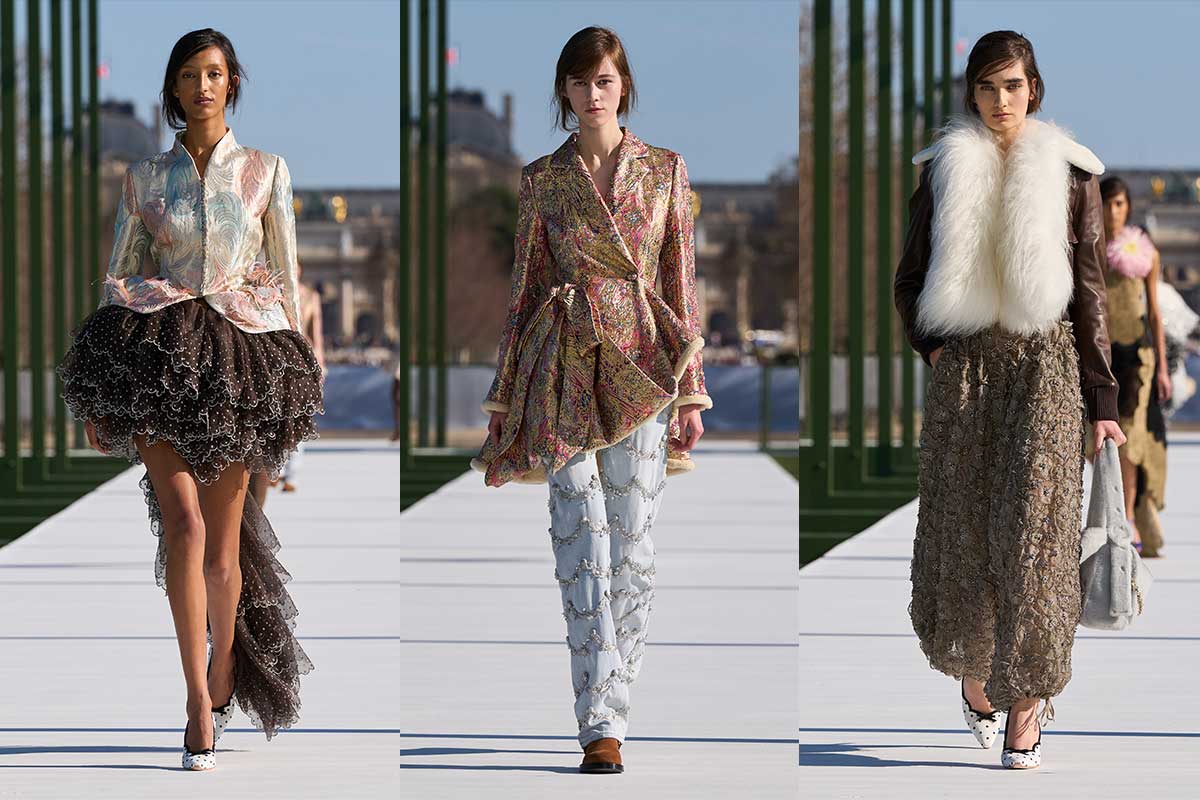
Anrealage
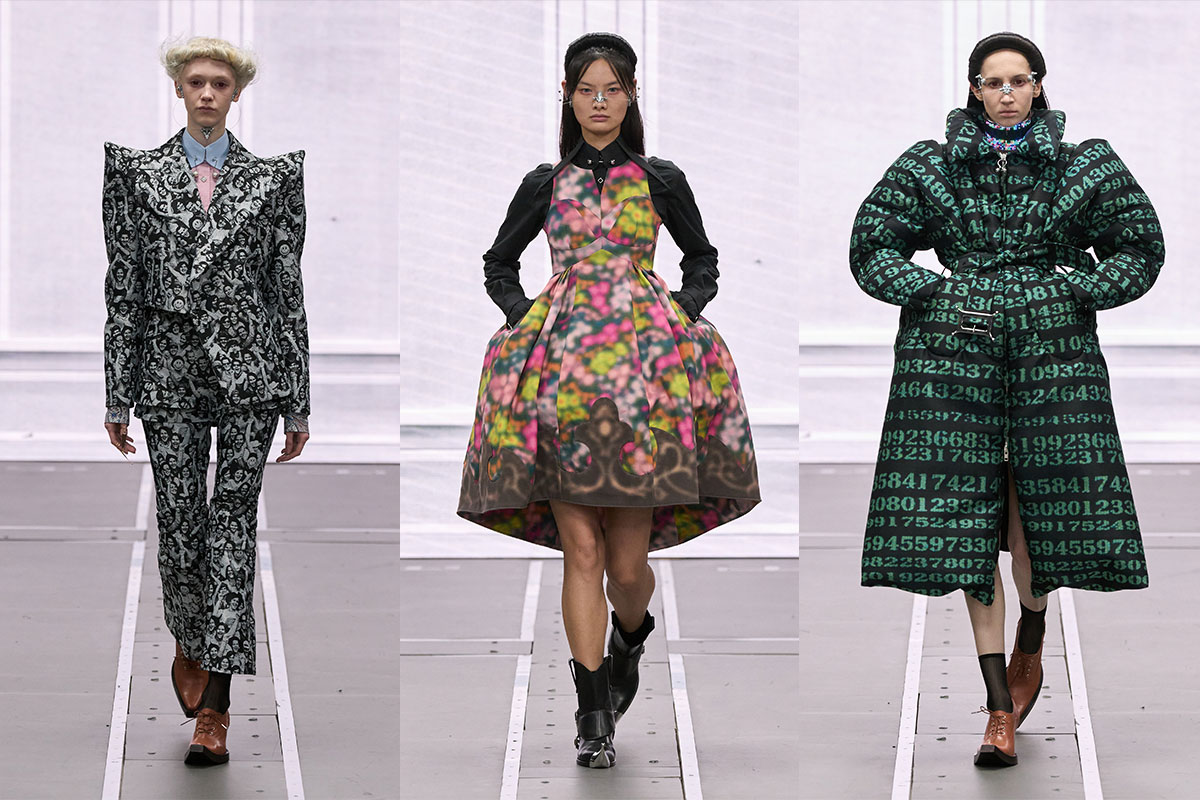
Alainpaul
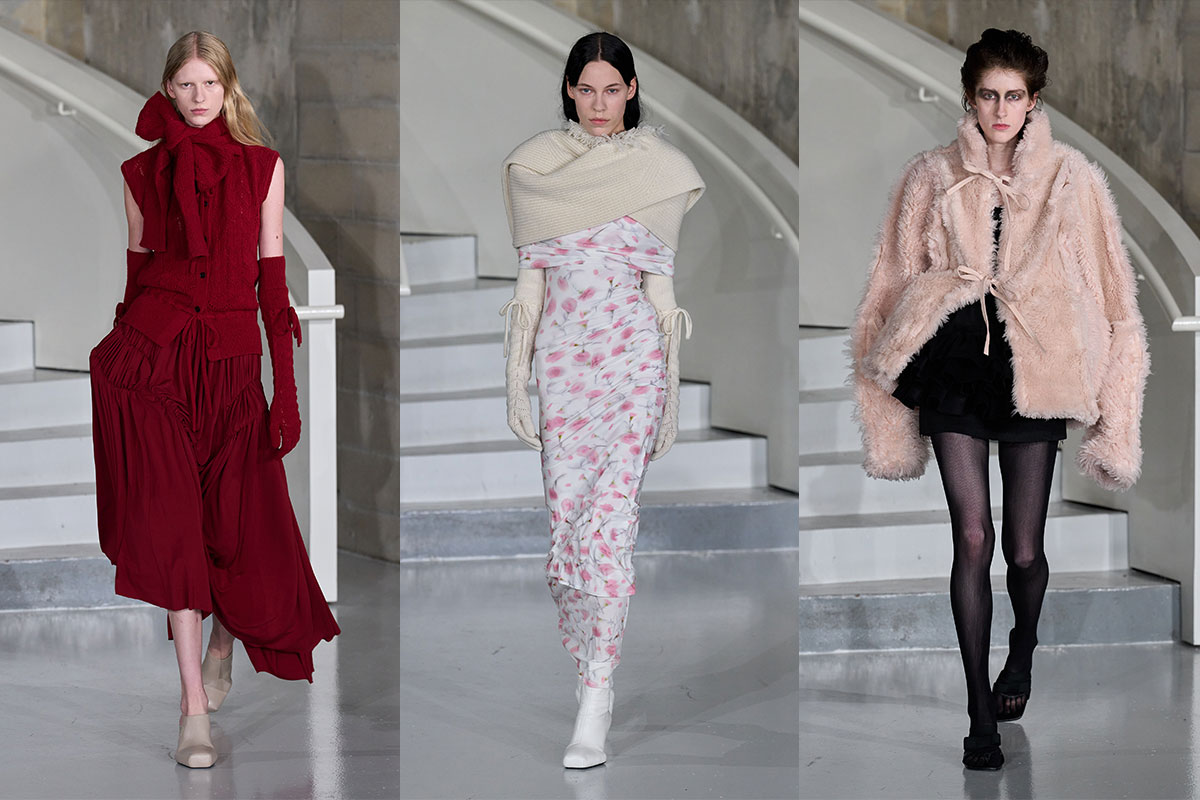
Saint Laurent
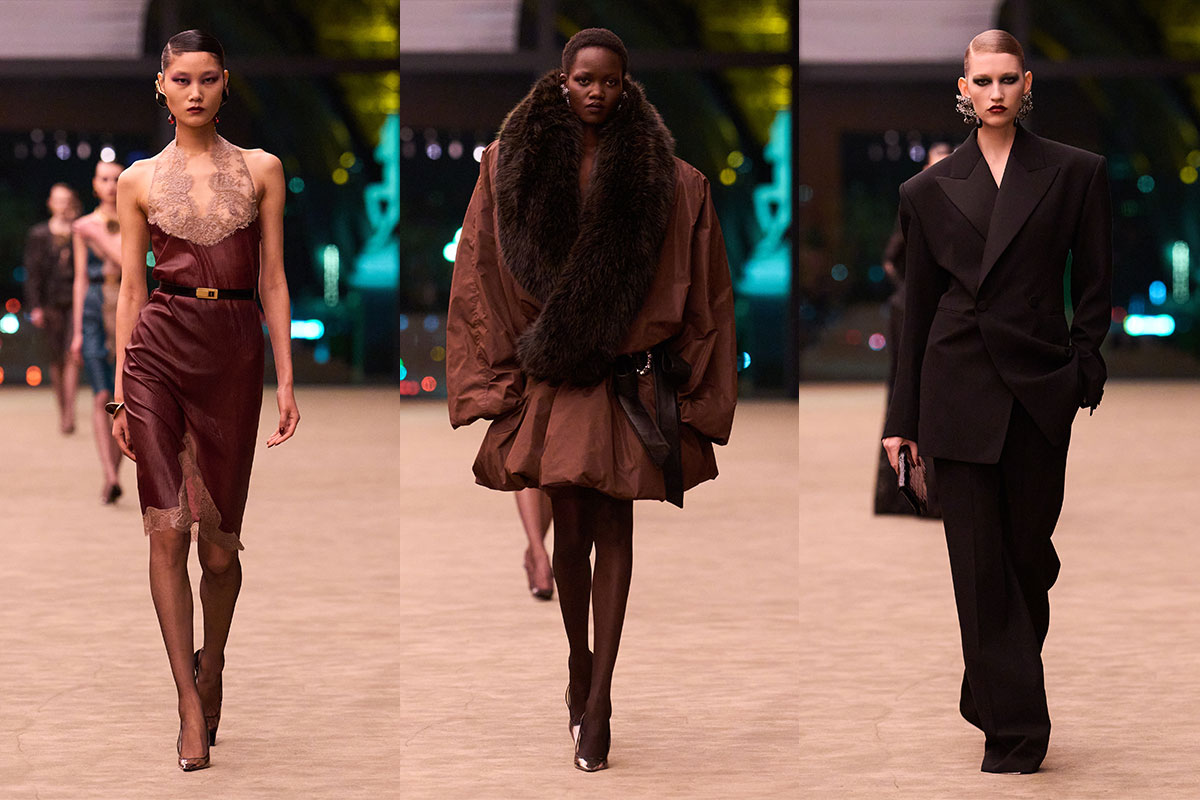
Dries Van Noten
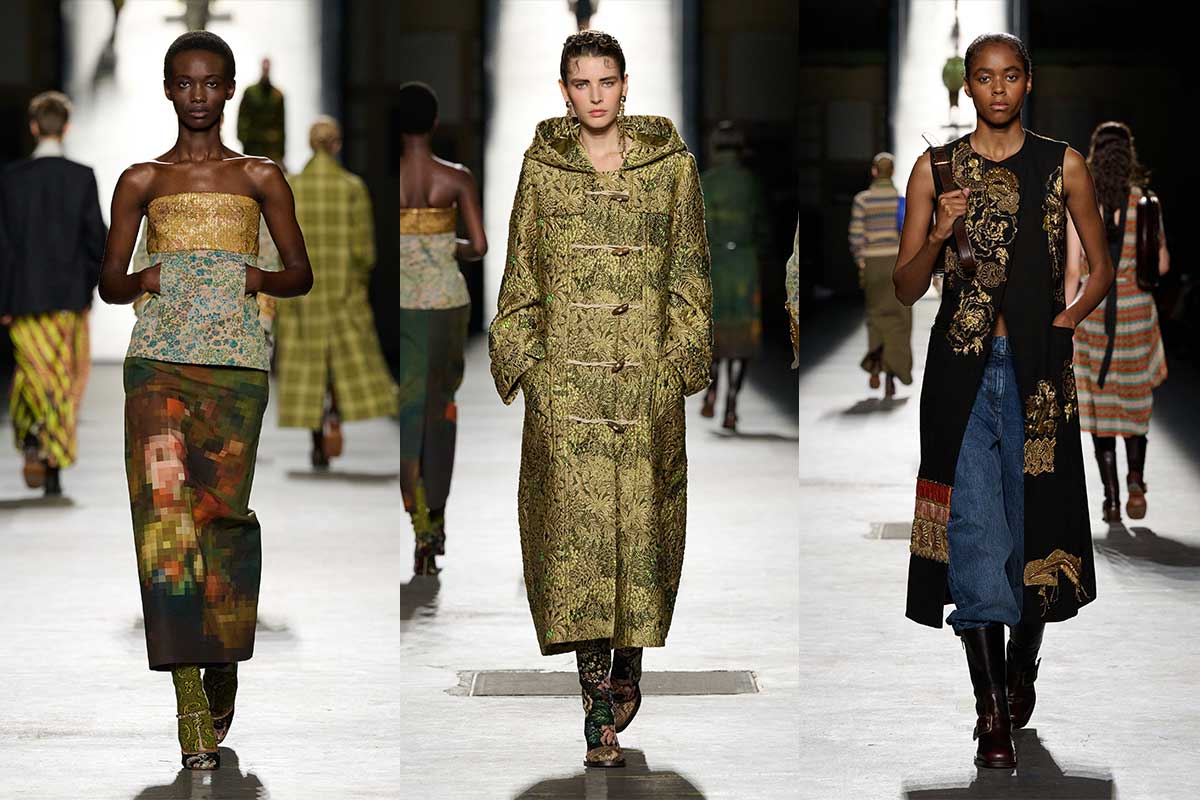
Stella McCartney
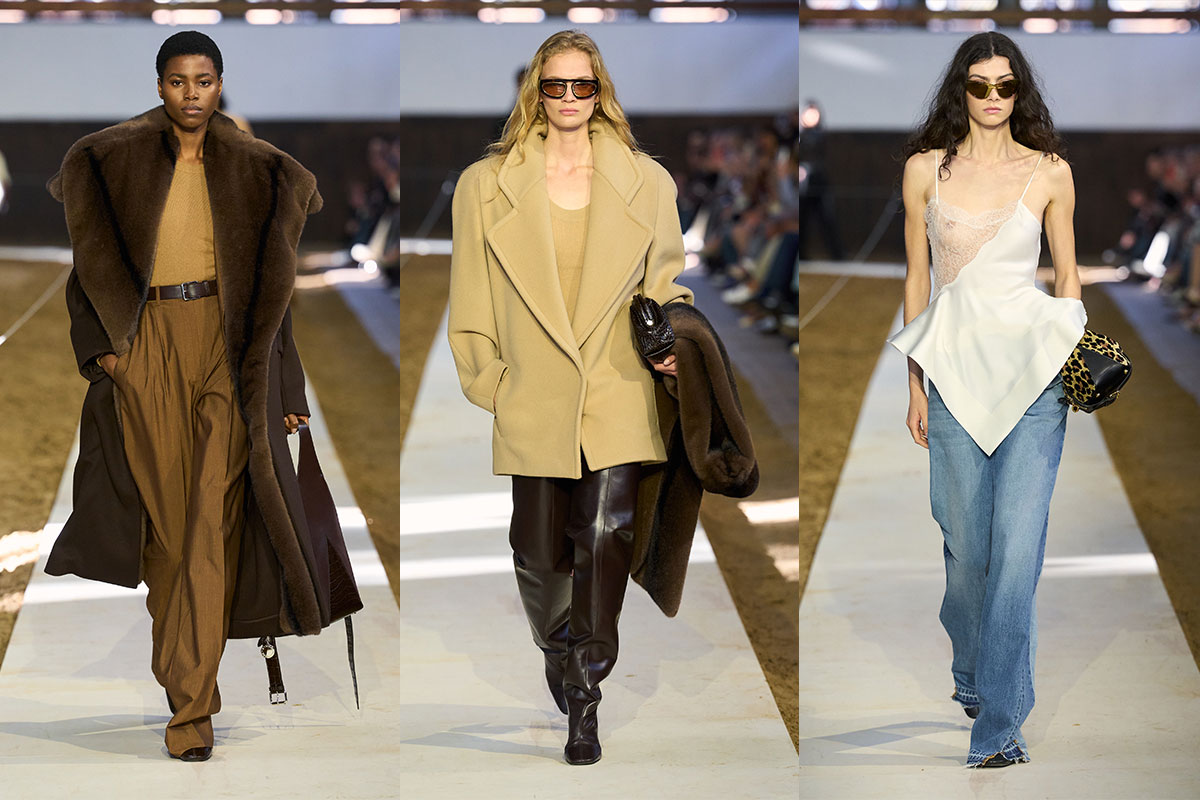
Alaïa
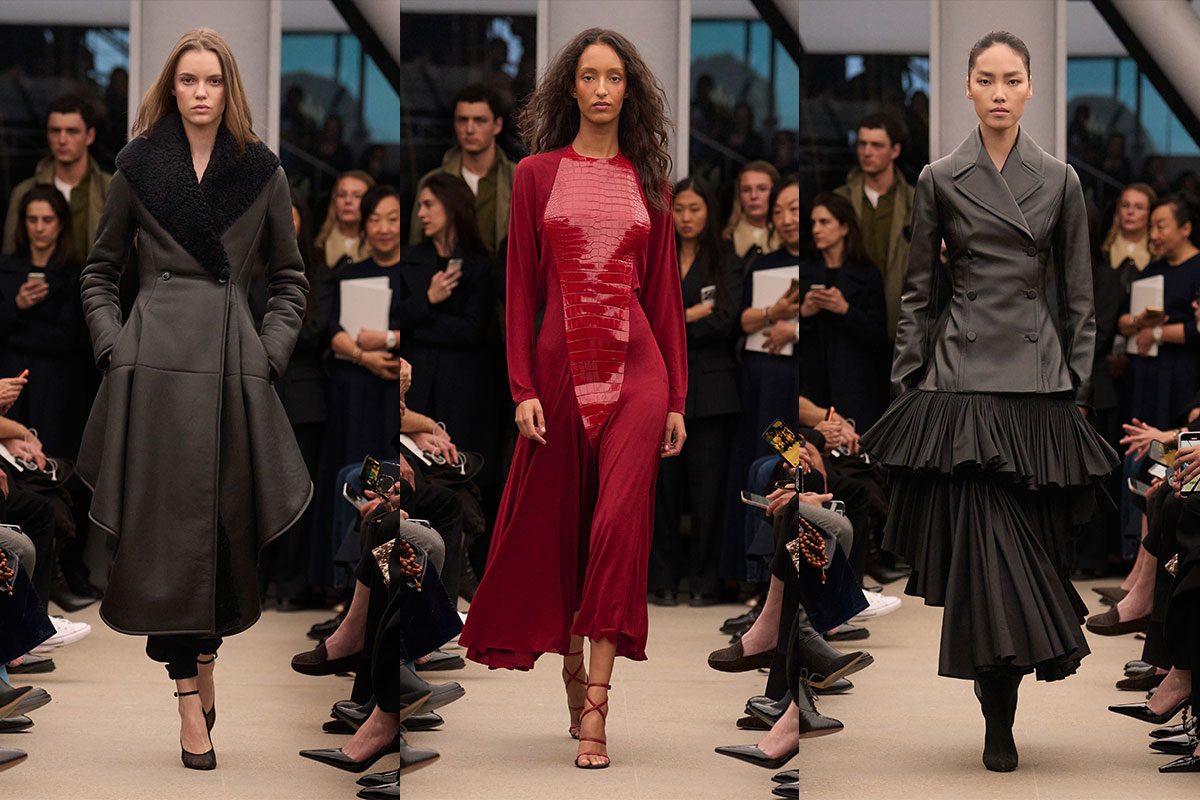
Chloé
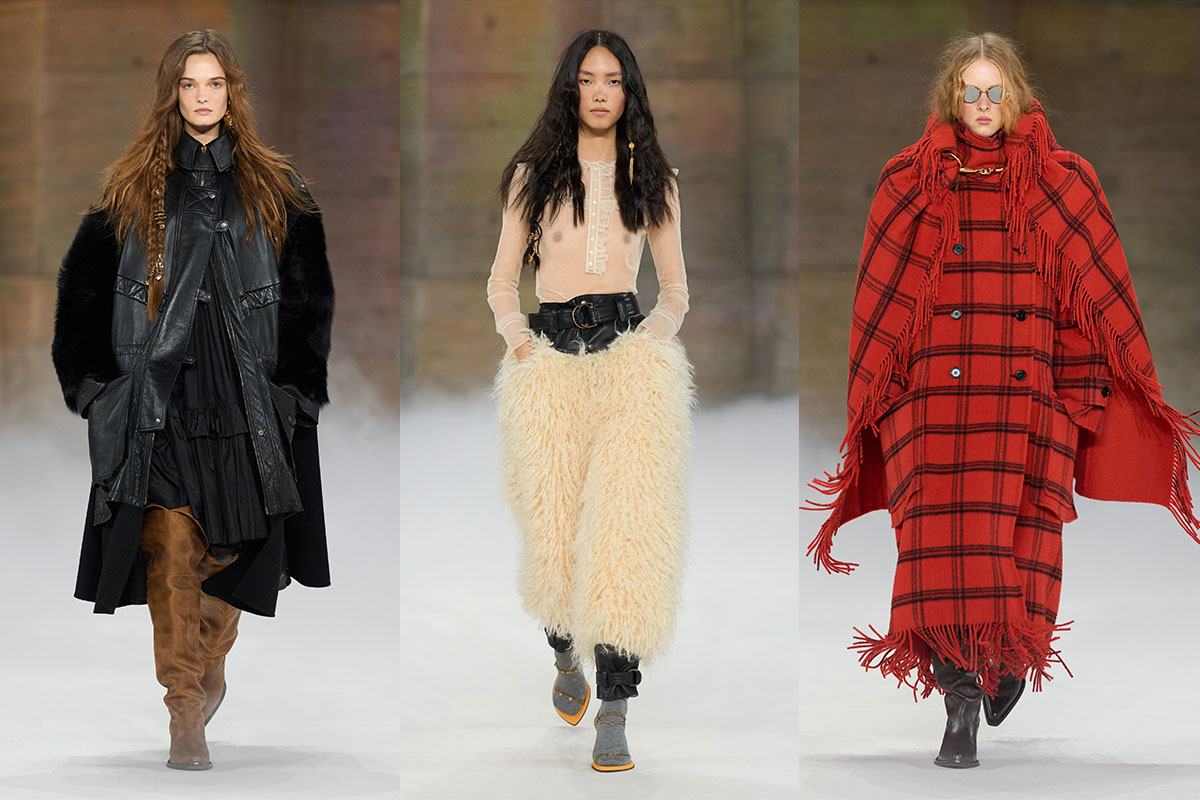
Rabanne
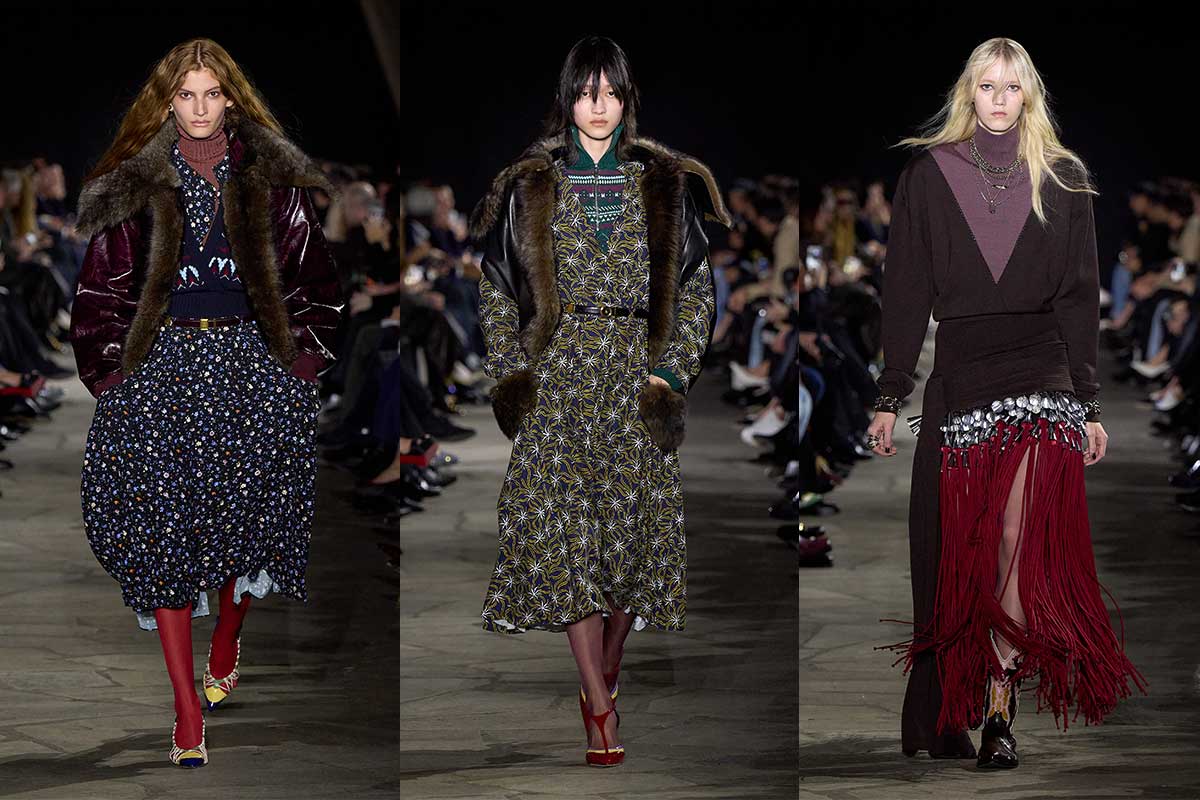
Schiaparelli
Isabel Marant
Mugler
Loewe
Issey Miyake
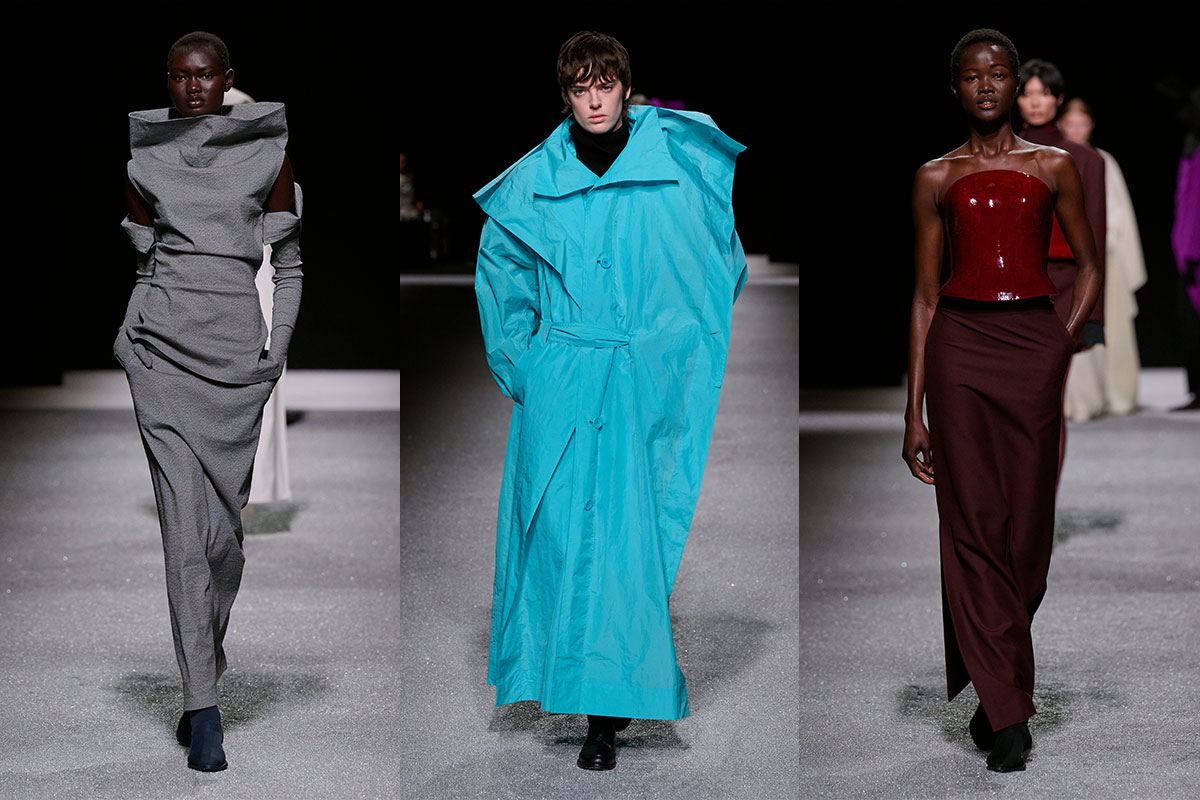
Lanvin
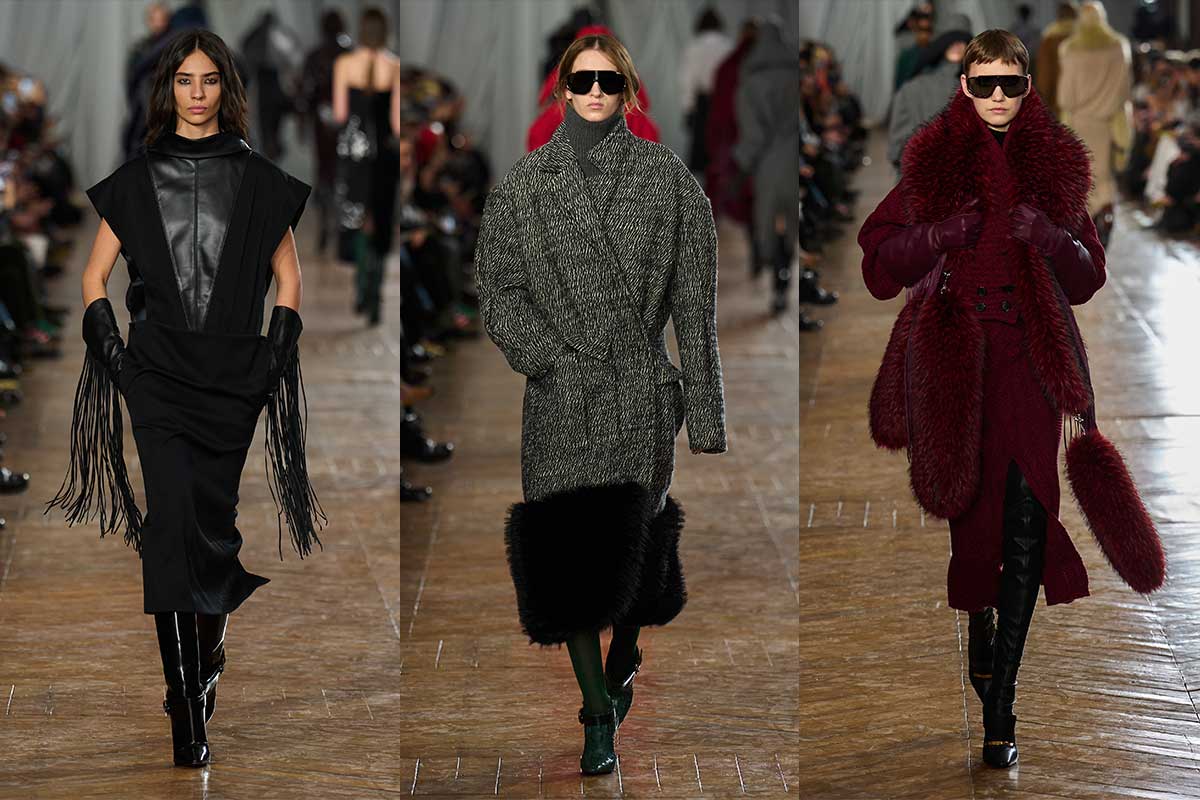
Givenchy
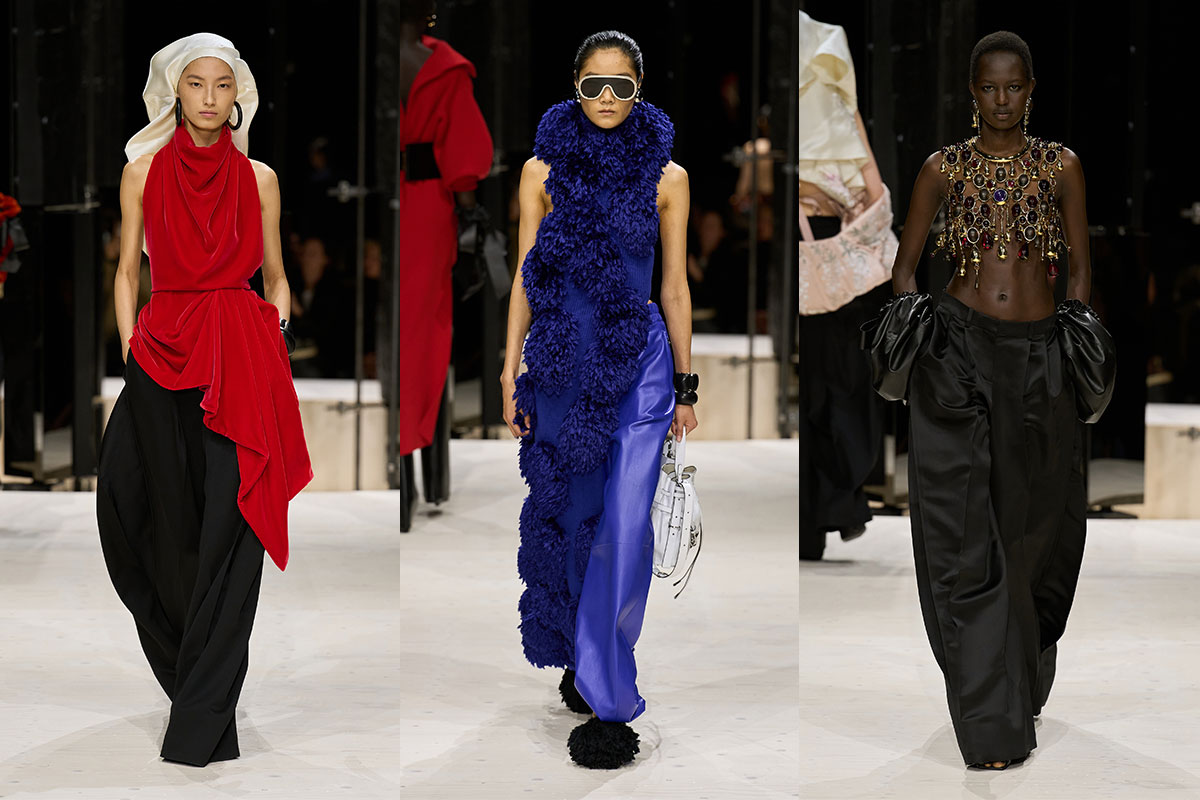
Victoria Beckham
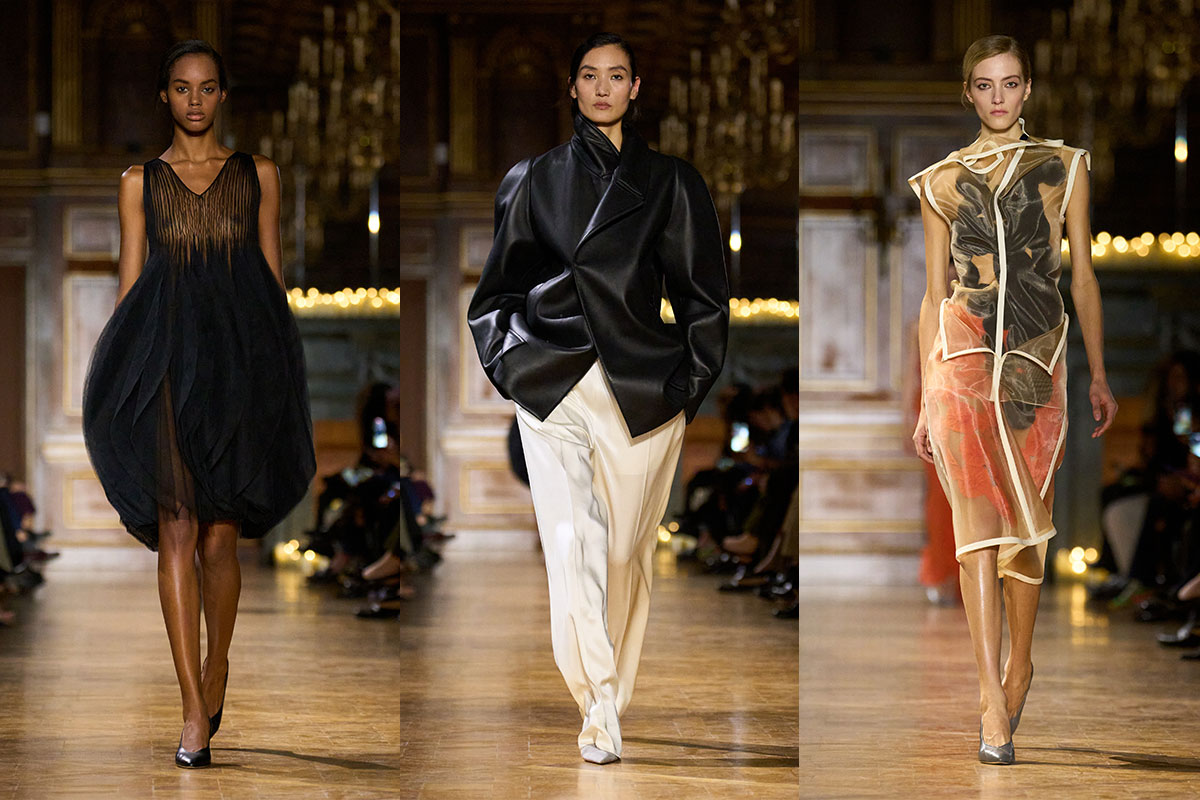
Hermès
Elie Saab
Ann Demeulemeester
Balenciaga
Akris
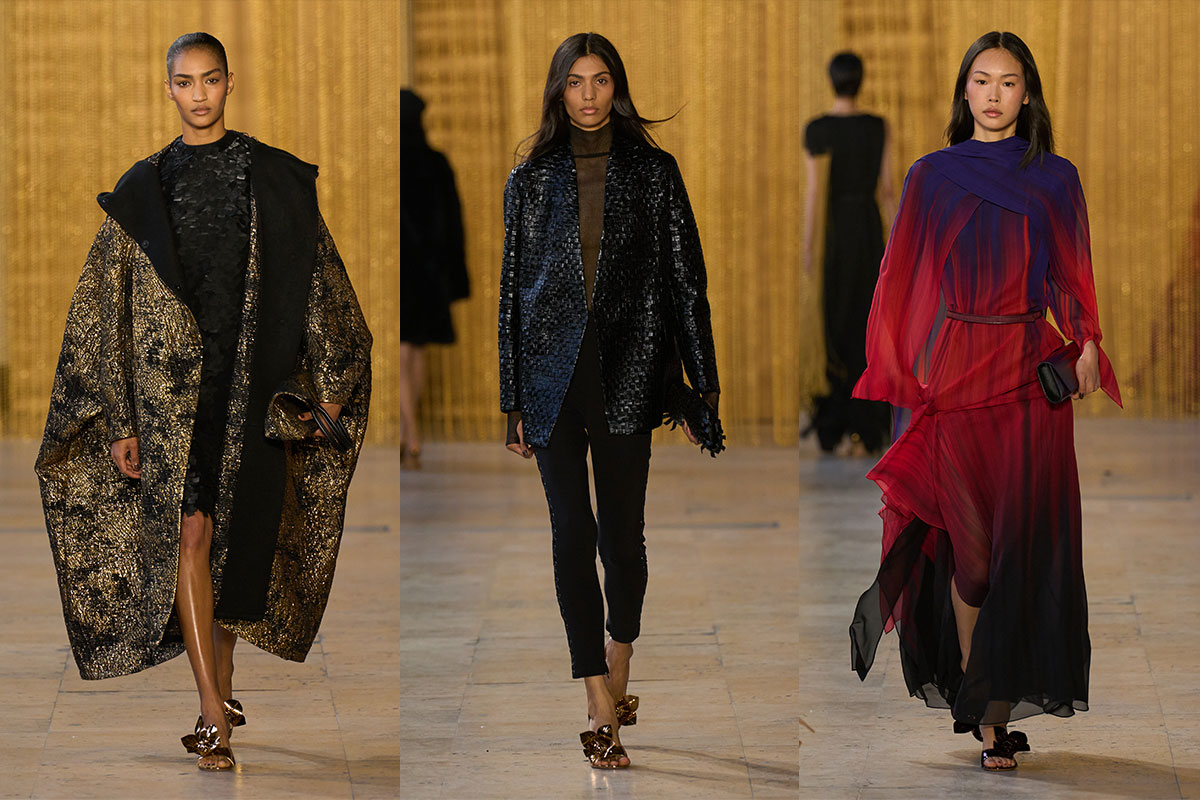
Alexander McQueen
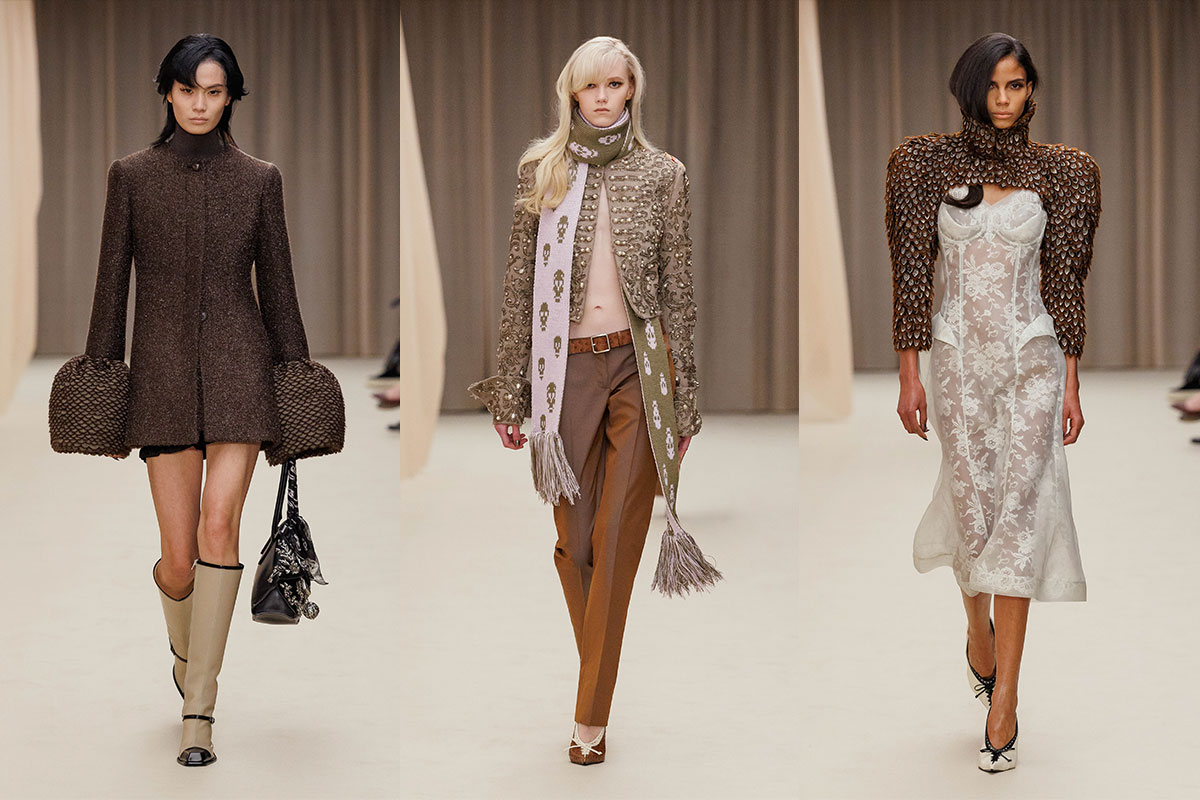
Carpenter
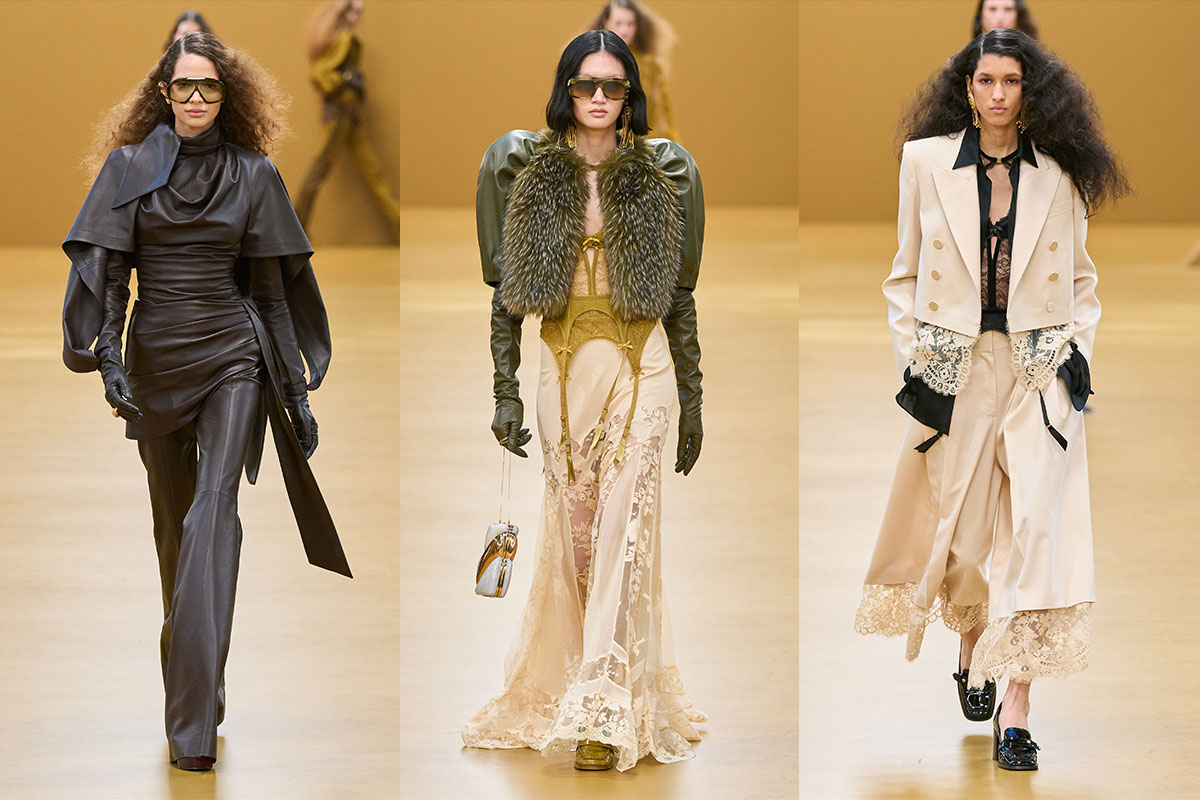
Ujoh
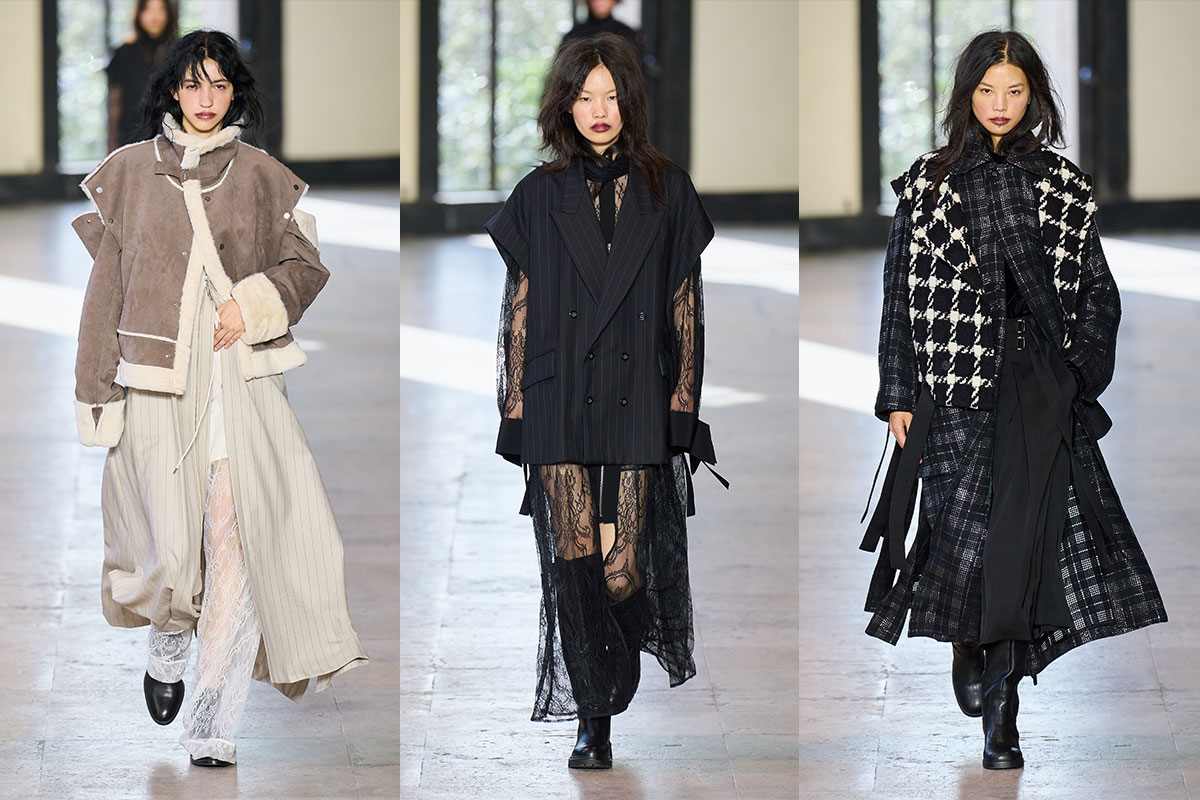
CFCL
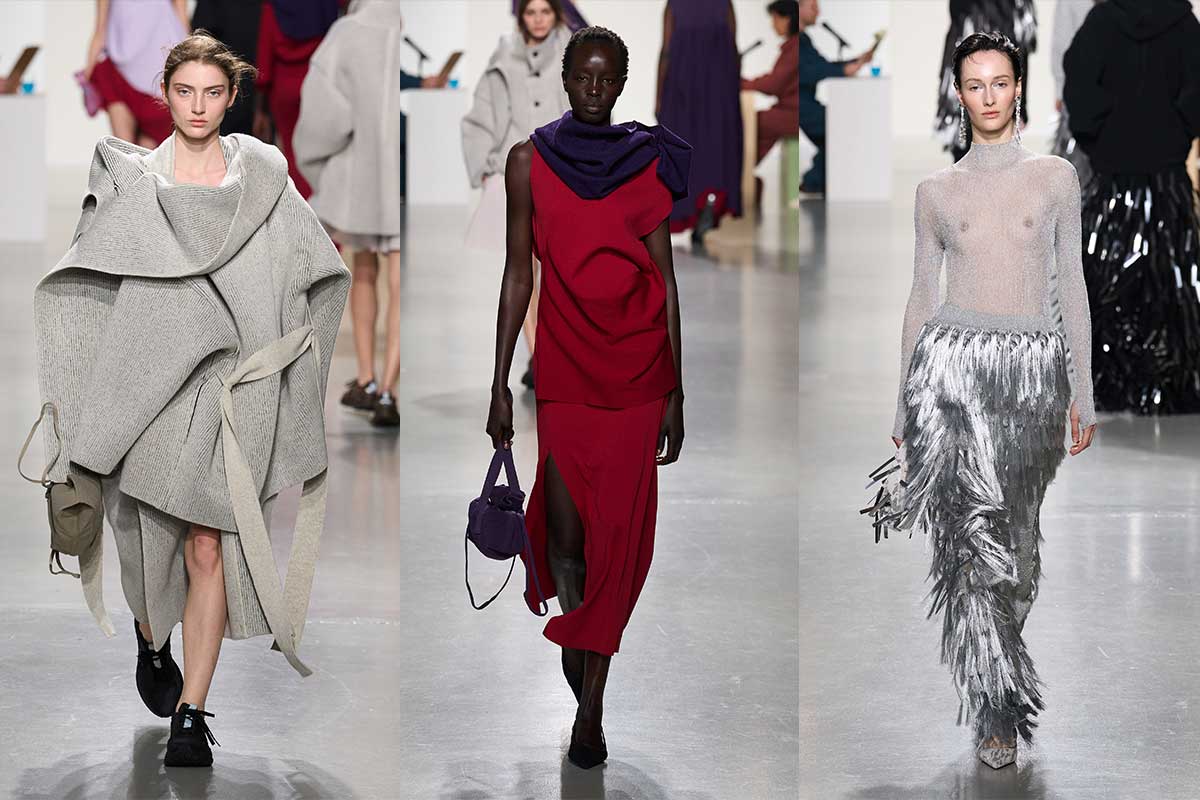
Pierre Cardin
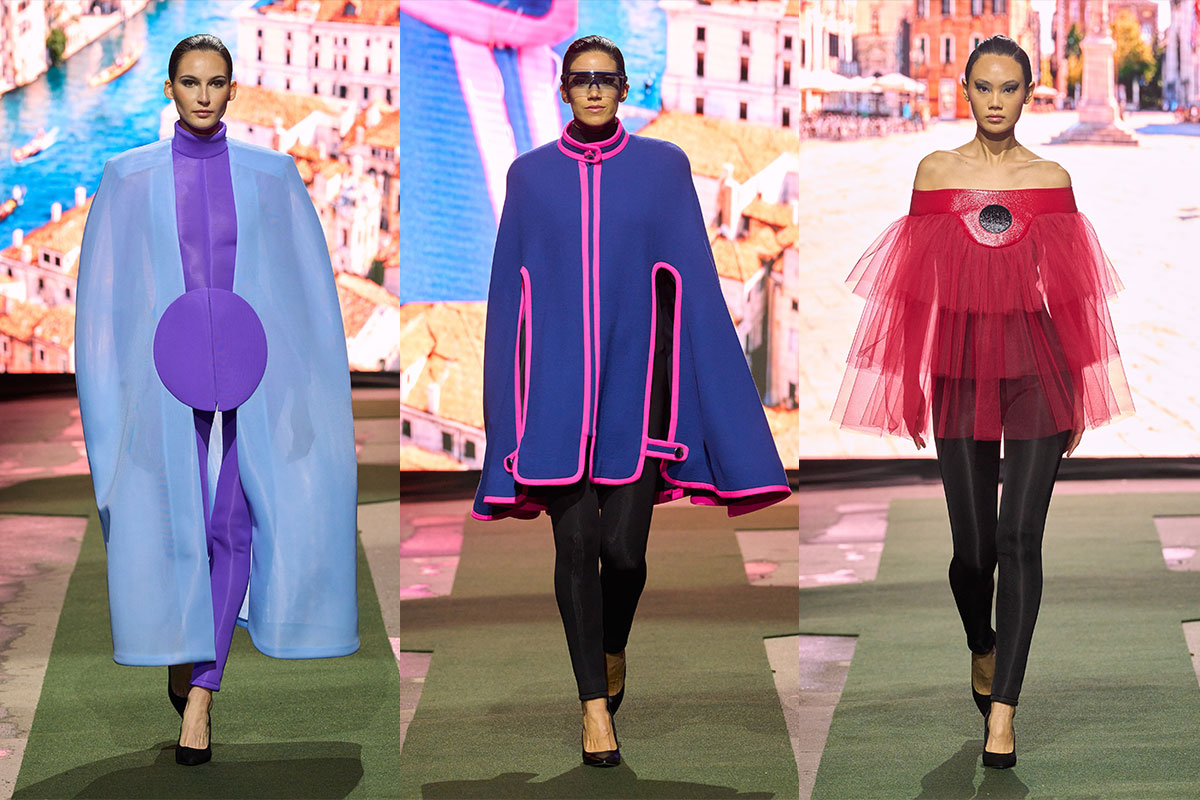
Balmain
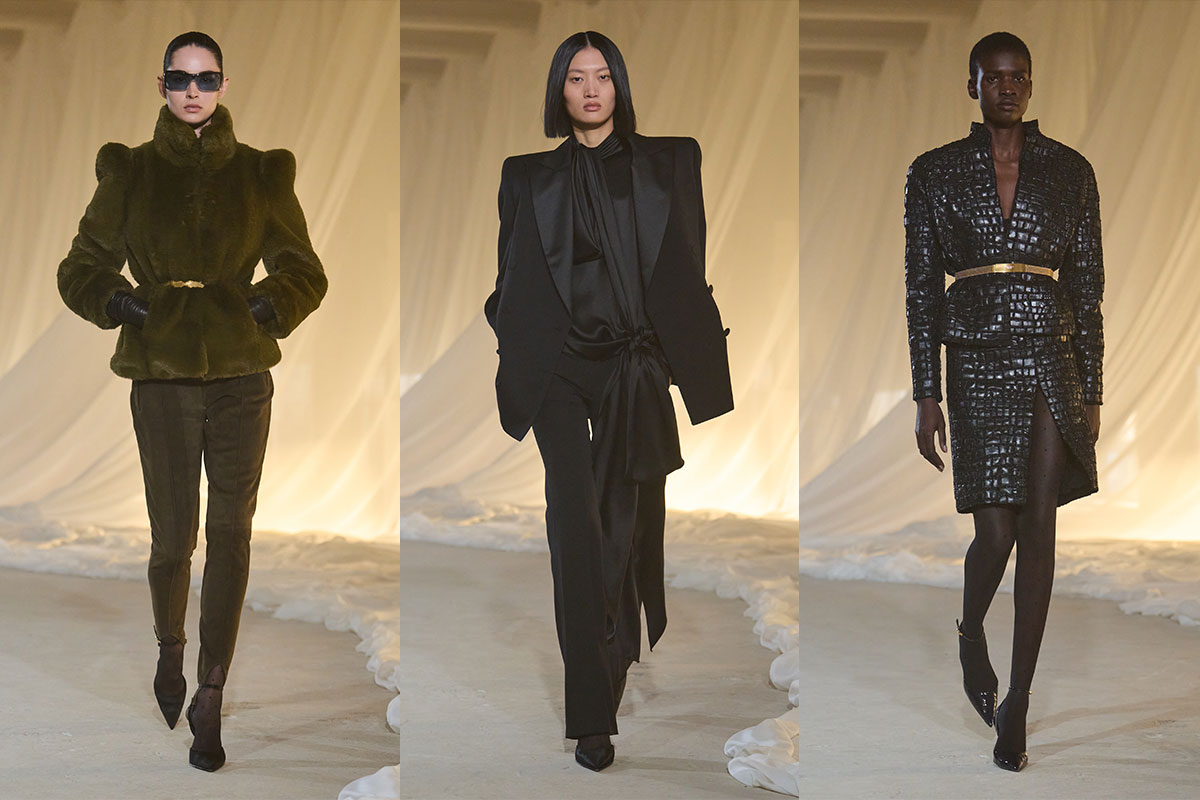
Chanel
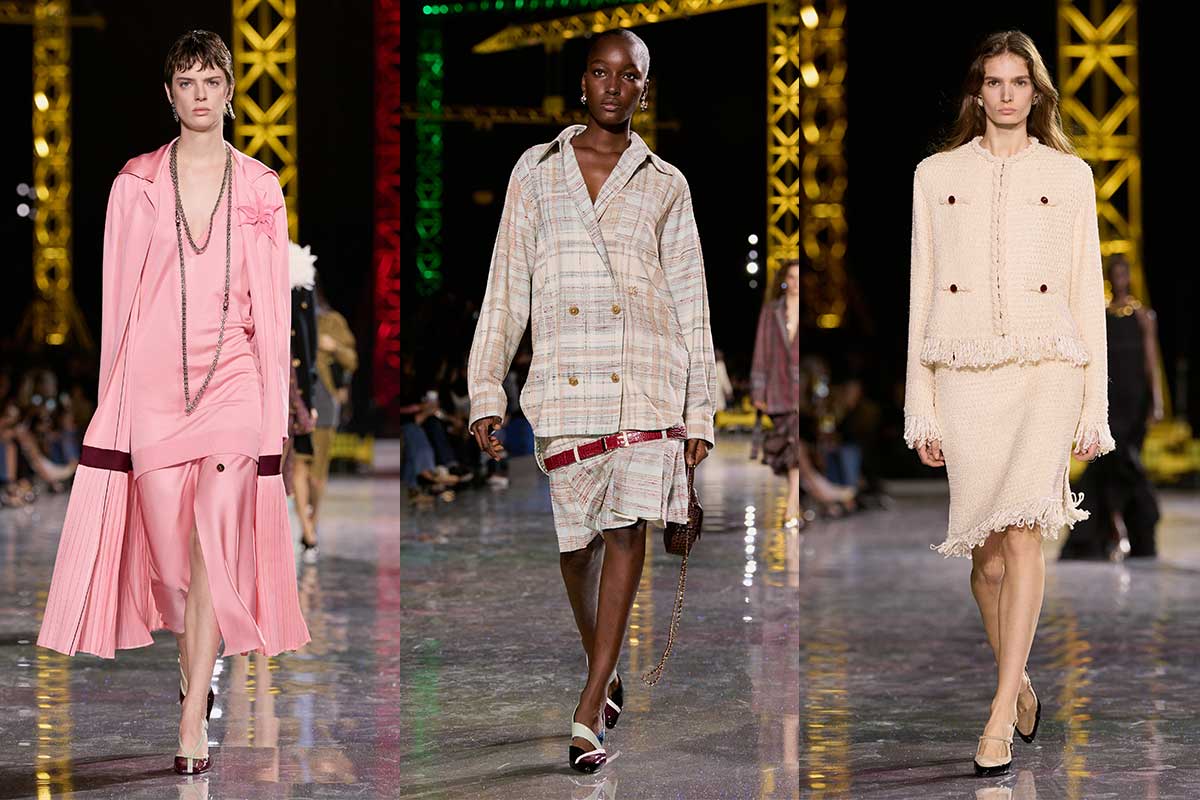
Louis Vuitton
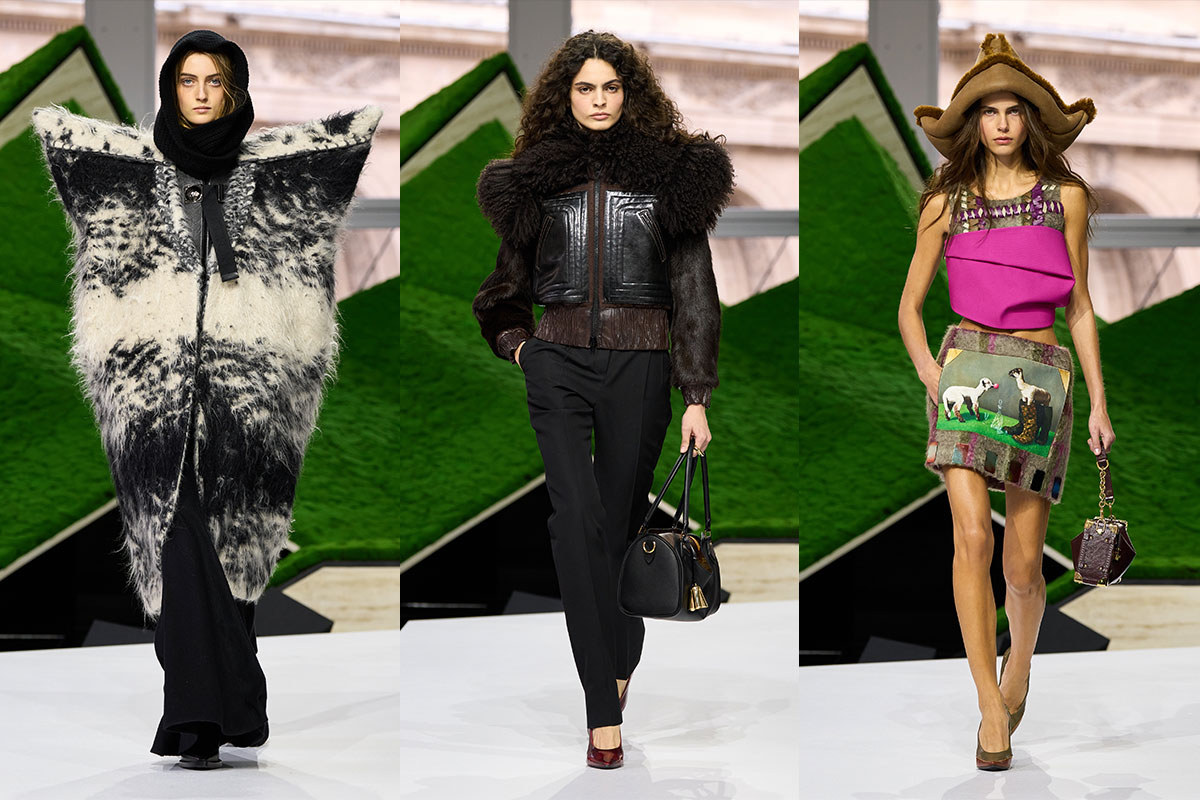
Teaser photo & photos: © Launchmetrics SpotlightS
The best fall/winter 2026/27 looks in:
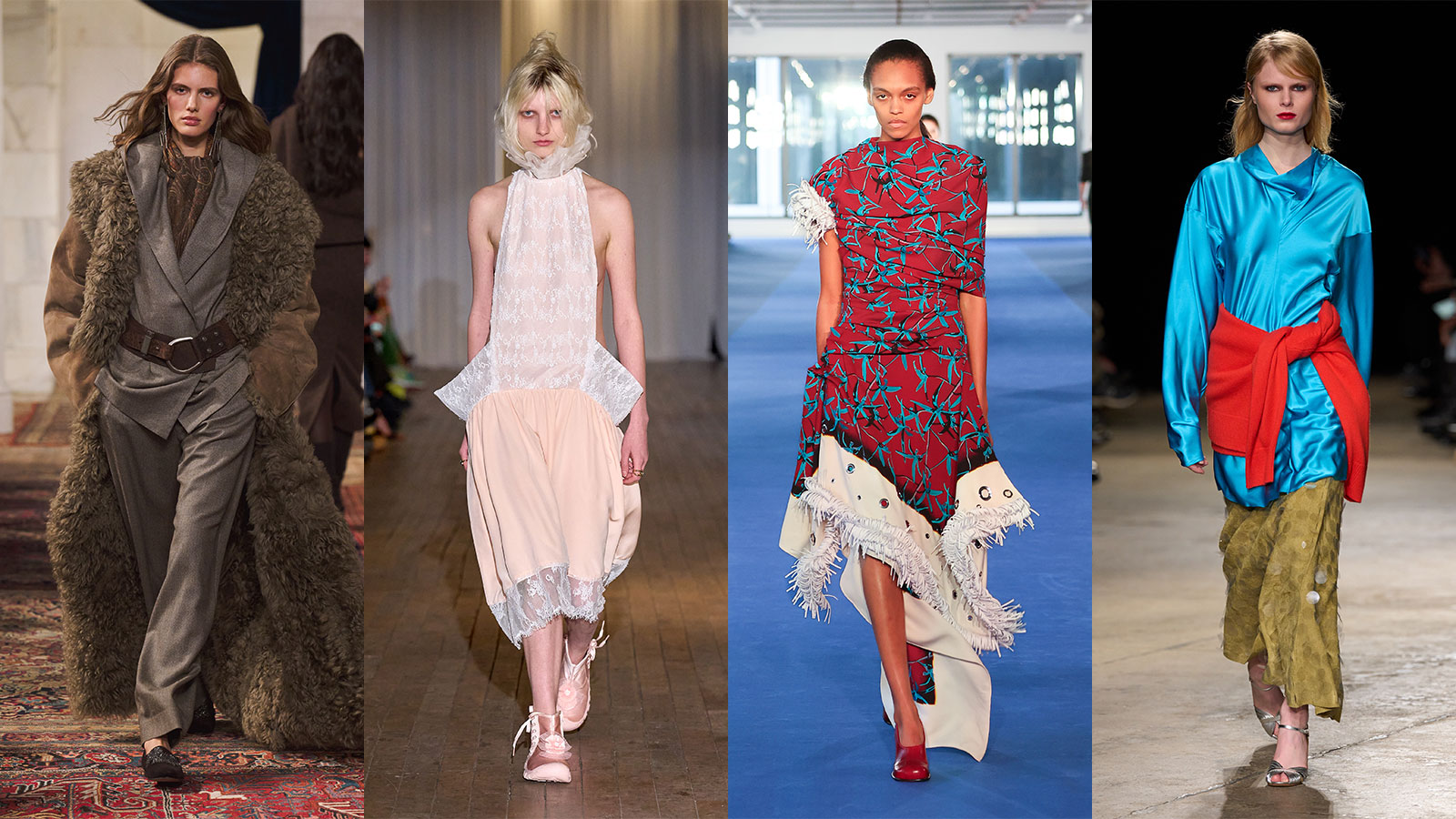
New York
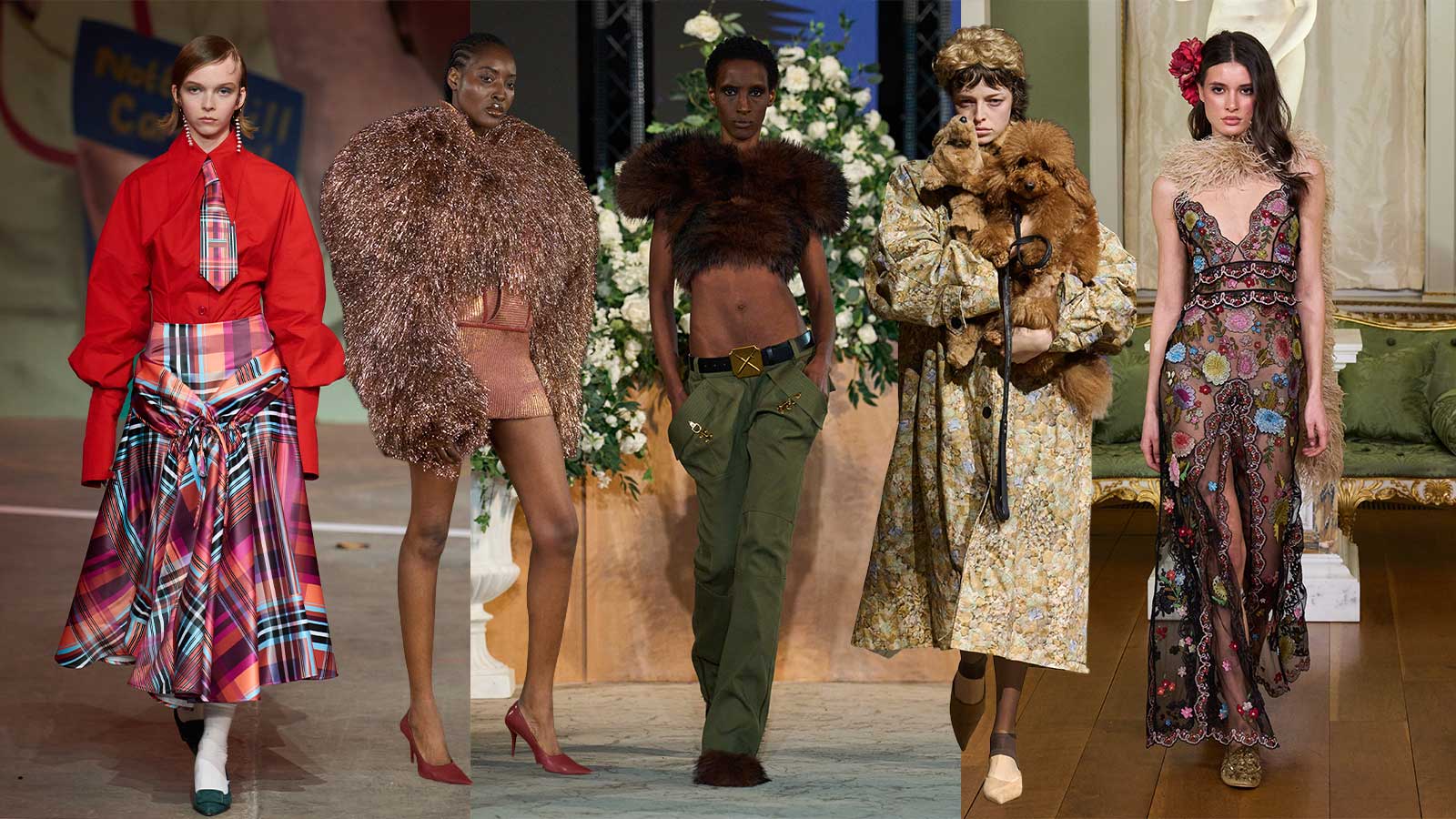
London
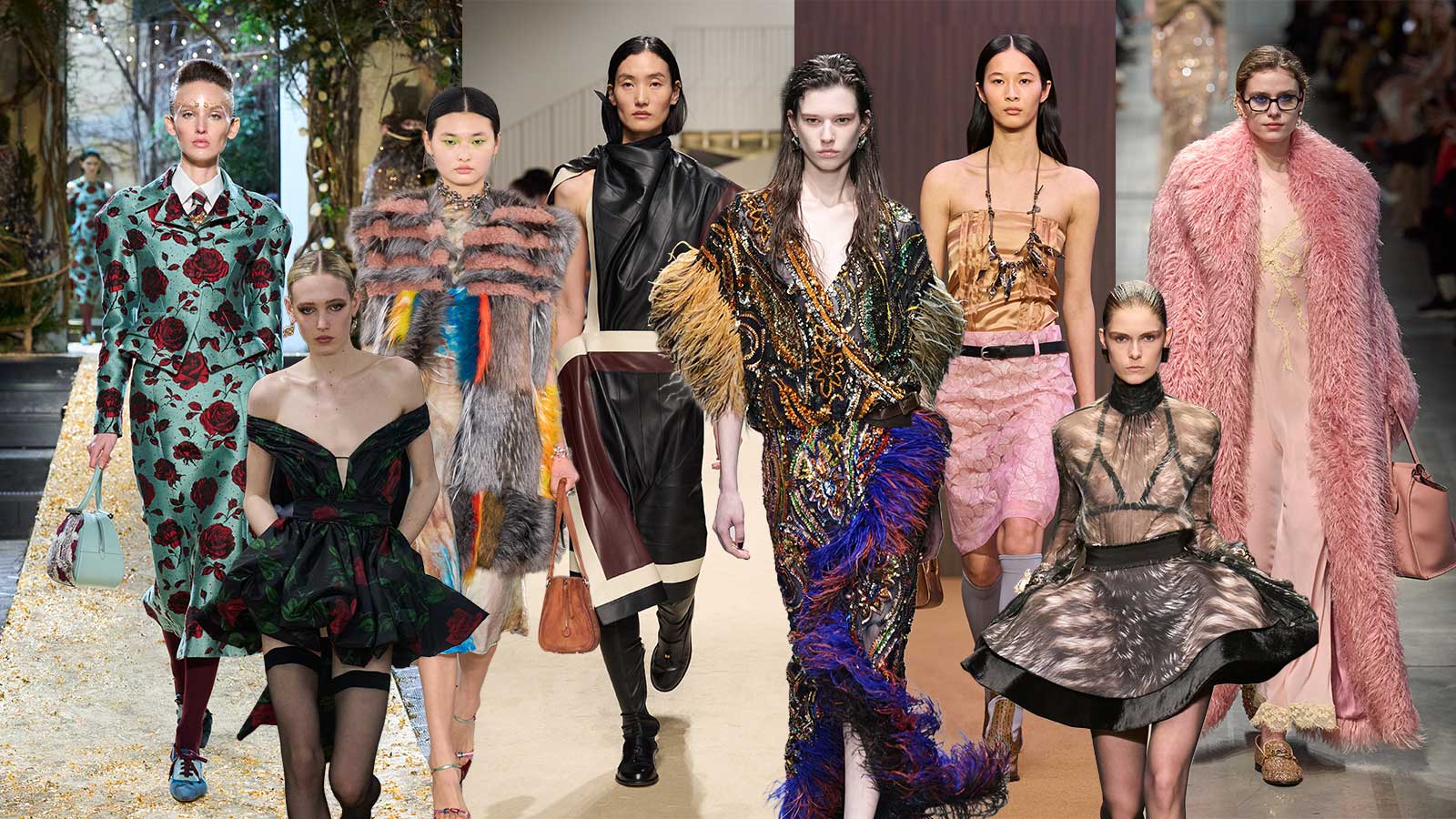
Milan
More about the past Fashion Weeks on faces.ch.