
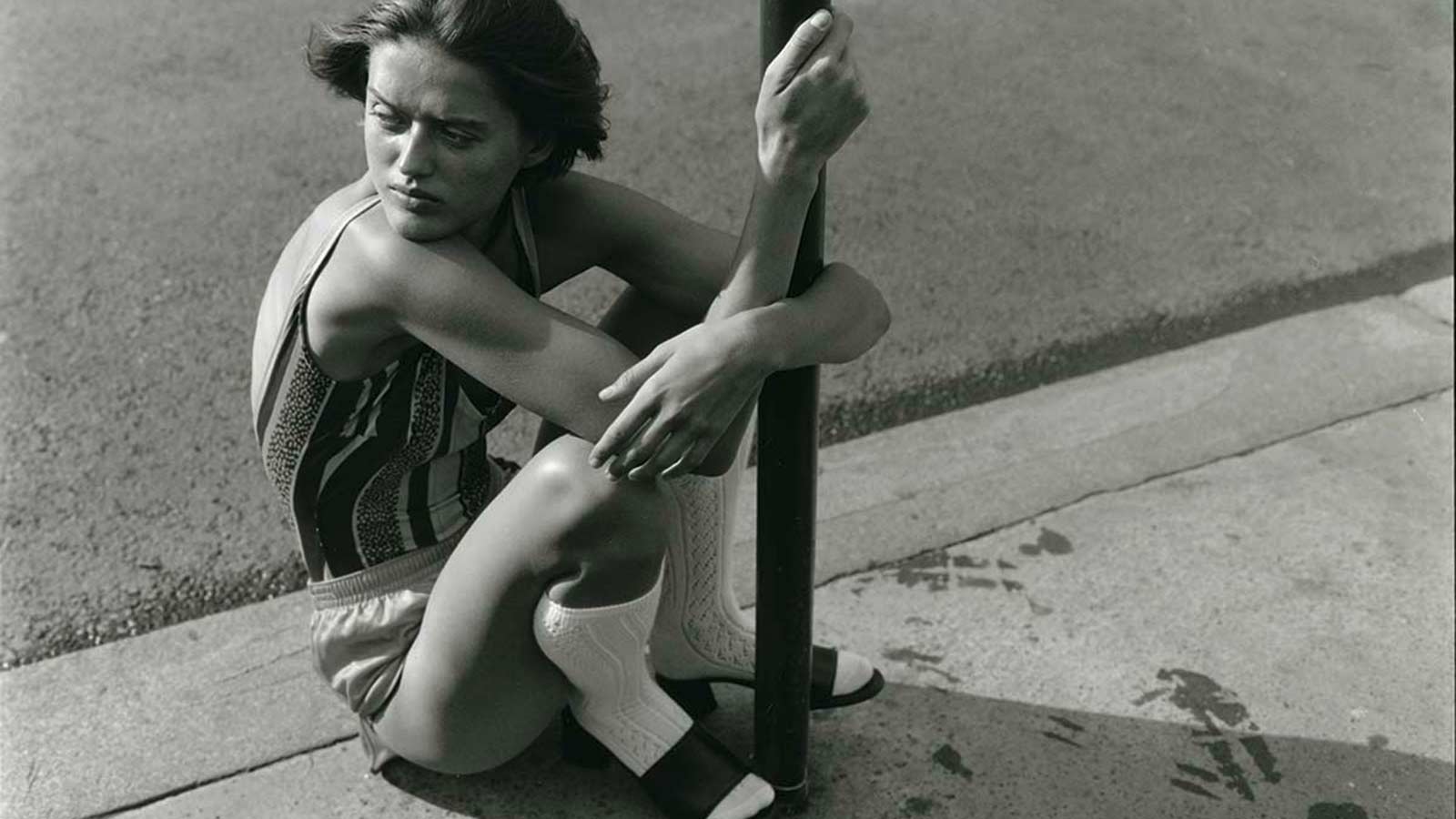
For the tenth time, the PhotoVogue Festival attracts visitors to Milan. The Biblioteca Nazionale Braidense will be a photography hotspot from March 1 to 4. This year, the exhibition “Women by Women” focuses on women and their multi-layered, unique and unfortunately often underestimated perspectives. Festival director Alessia Glaviano tells us about the significance of “Women by Women”, how photography can help us in difficult times and where PhotoVogue is heading in the next decade.
FACES: PhotoVogue is celebrating its 10th anniversary this year! How has the festival evolved over the years and what are your hopes and plans for the next decade?
Alessia Glaviano: PhotoVogue was launched in 2011 as a digital platform dedicated to discovering and promoting photographic talent worldwide. The festival was added later to transform this mission into a physical, collective experience. This year marks the tenth edition of the PhotoVogue Festival, and for me it feels less like a celebration and more like a moment of awareness.
Over the years, the festival has evolved into a major international cultural event, but what I value most has remained unchanged: The energy that circulates during these days. When artists, editors, students and an audience with similar values come together, something special happens. A space of trust, curiosity and openness is created. A seed is sown. You may not immediately see what will grow from it, but conversations get going, connections are made and paths begin to quietly change.
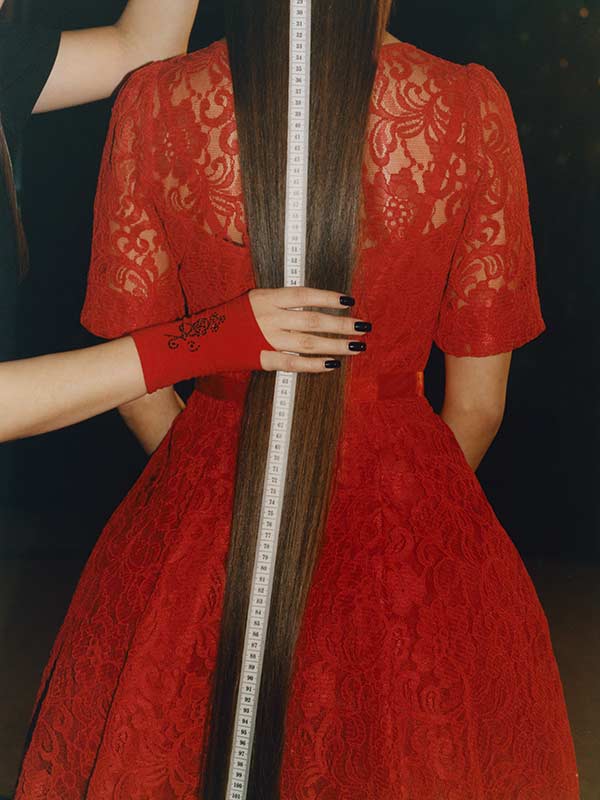
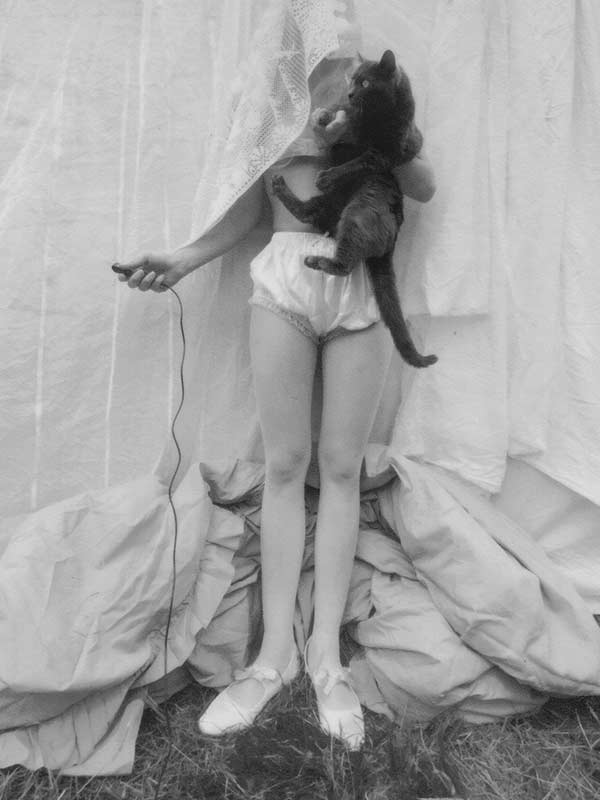
Today, PhotoVogue has a strong sense of responsibility. It’s not just about discovering talent, but also about creating a context, providing care and thinking long-term. Looking to the future, I hope we can continue to nurture this ecosystem over the next ten years. We want to strengthen mentoring and education, build deeper bridges between art, fashion and social discourse, and ensure that PhotoVogue remains a place where new visual languages can emerge, coupled with a deeper engagement with the pressing cultural, social and ethical issues of our time.
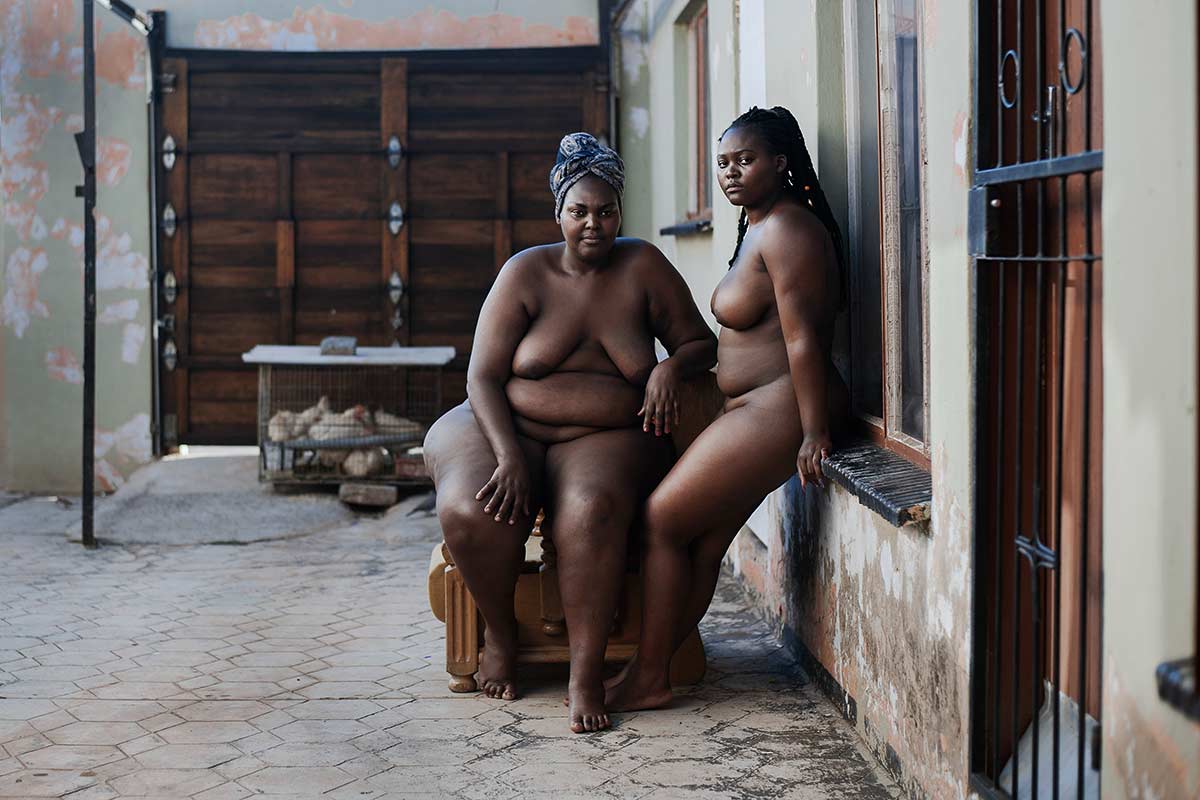
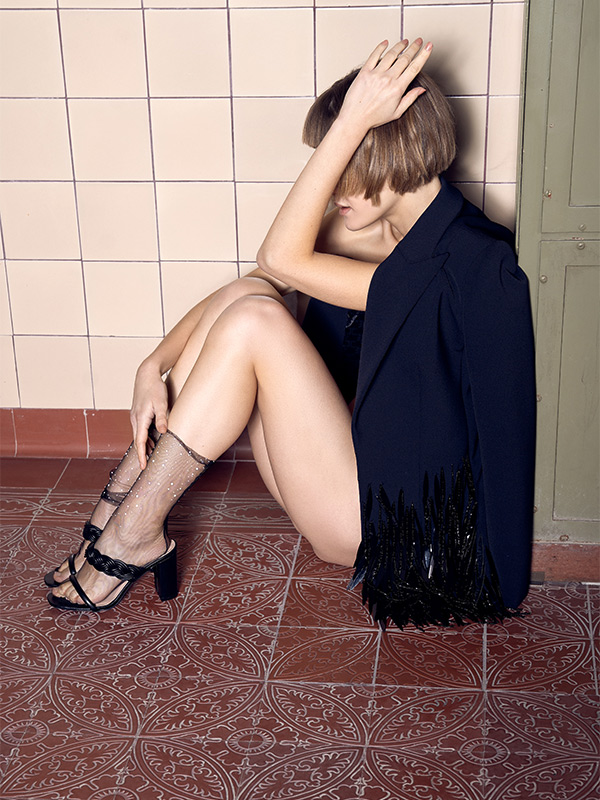
Q: The exhibition “Women by Women” shows 45 female artists. Why is it so important right now that we consciously consume art created by women?
AG: Because visibility is never neutral. Even today, women artists are underrepresented in institutions, collections and cultural narratives, even though they play a central role in shaping contemporary visual culture. To consciously engage with art by women is not to create a divide, but to address a structural imbalance that has existed for far too long.
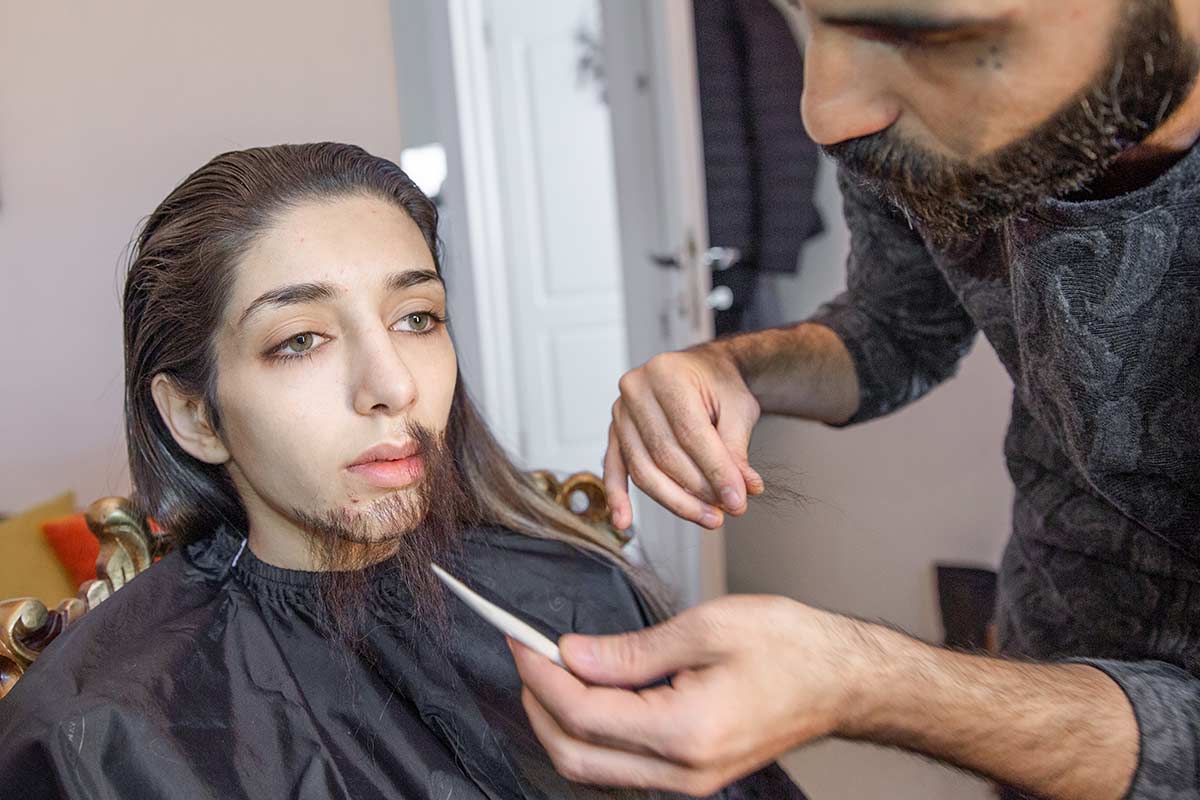
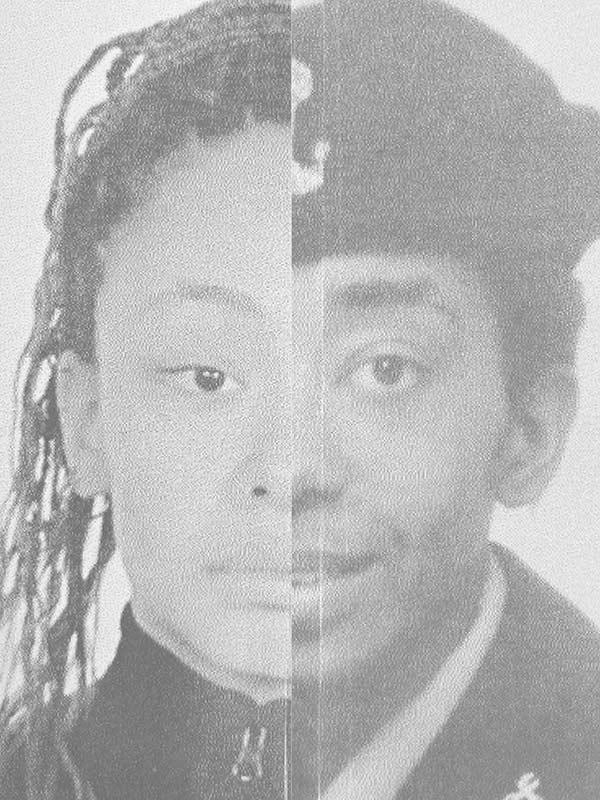
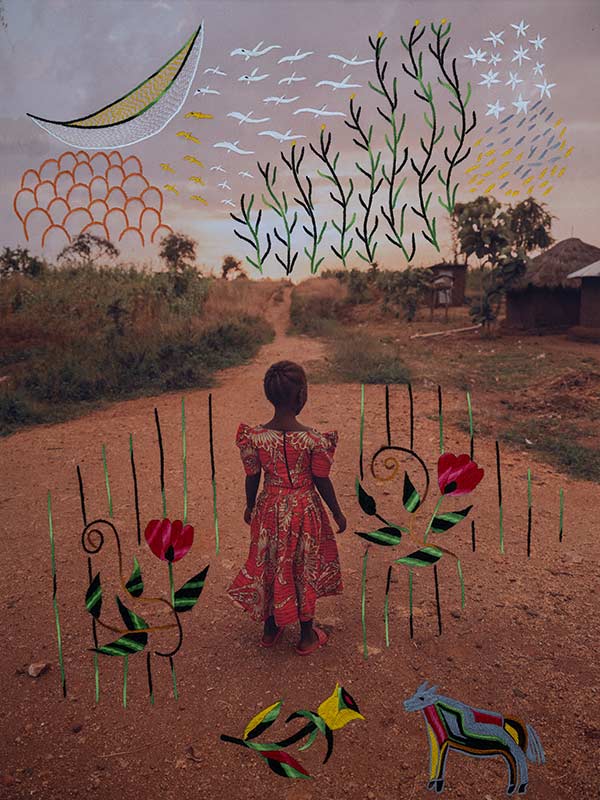
At a time when rights, autonomy and representation are once again being called into question, “Women by Women” becomes an act of attention and responsibility. The exhibition emphasizes women as authors rather than subjects. It invites viewers to pause, listen carefully and engage with the complexity and diversity of women’s life experiences.
“Consciously engaging with art by women does not mean creating a divide, but addressing a structural imbalance that has existed for far too long.”
Q: Do you have any personal favorites from the “Women by Women” exhibition?
AG: I tend to avoid this question, especially in the context of an exhibition like this. The projects were not selected to compete with each other and I don’t view them through the lens of preference or hierarchy.
For me, the important thing is how the works interact. As a constellation of voices that reflect different regions, generations and life experiences. The strength of “Women by Women” lies precisely in this collective presence, in which each project gains meaning through dialog with the others.
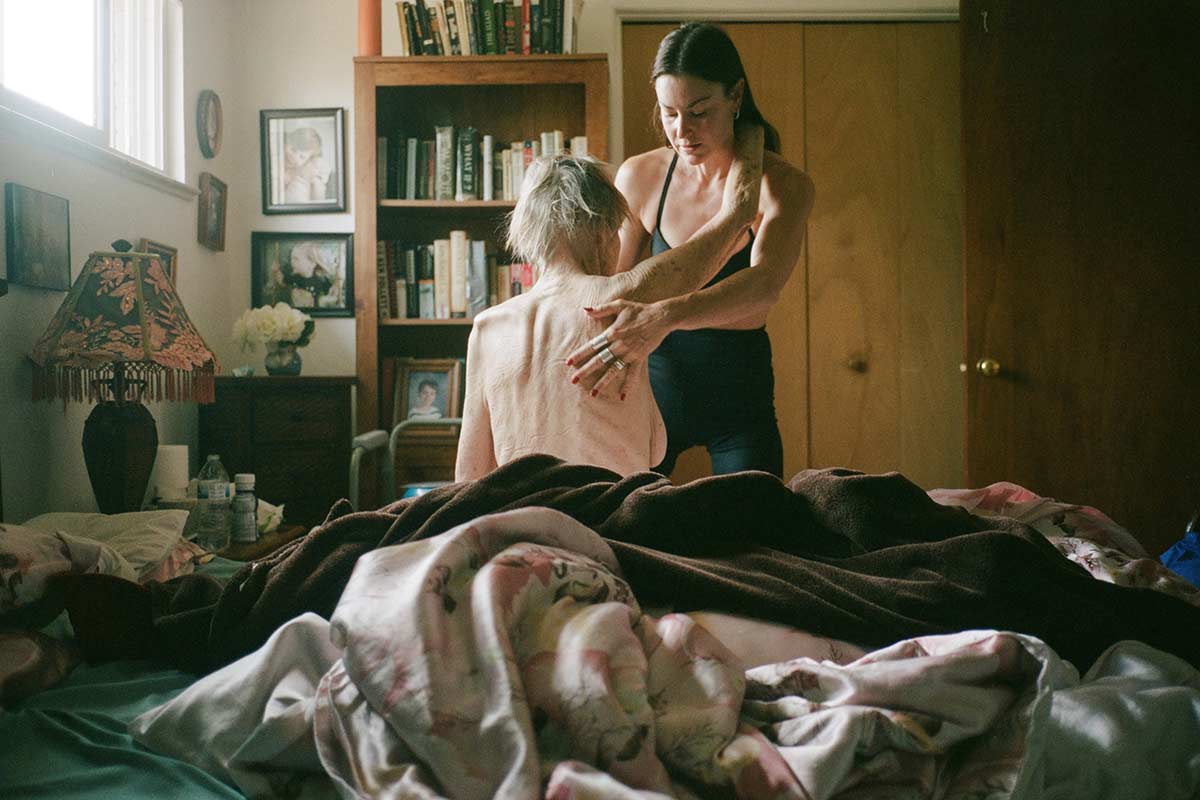
Q: Did you approach this year’s festival differently because it’s the tenth anniversary?
AG: Yes, but not in a celebratory sense. I didn’t want to look back nostalgically or celebrate the anniversary with something louder or more spectacular. Instead, I saw this edition as a moment of reflection and responsibility.
That’s why the choice of venue and the design of the exhibition were so important. Organizing the festival in the Biblioteca Nazionale Braidense has a symbolic meaning for me. A place dedicated to knowledge, memory and preservation. The main exhibition is conceived as an intimate, book-like experience that encourages visitors to take their time and engage with the images through attention rather than immediacy.
Rather than increasing the scale, this anniversary has spurred us on to precision and intimacy. It seemed the right moment to ask more precise questions about how images circulate, how they are cultivated and how we create spaces that invite reflection rather than consumption.
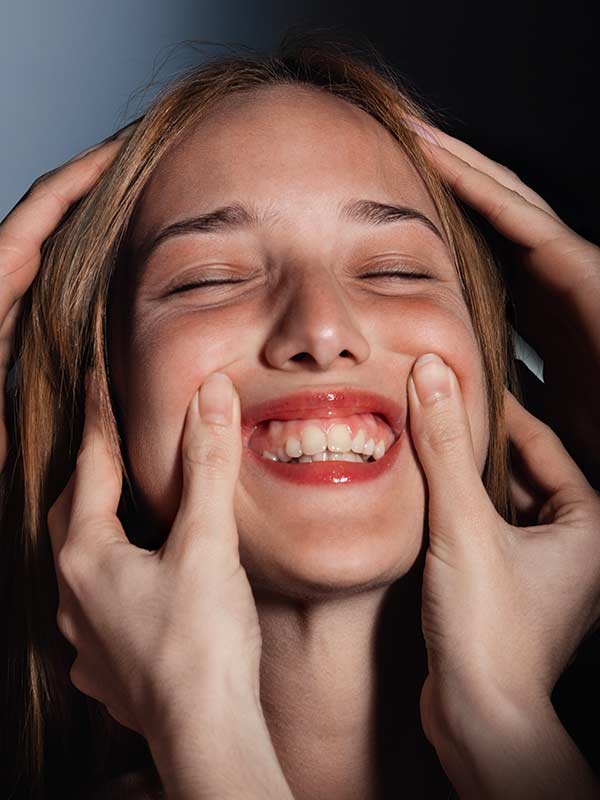
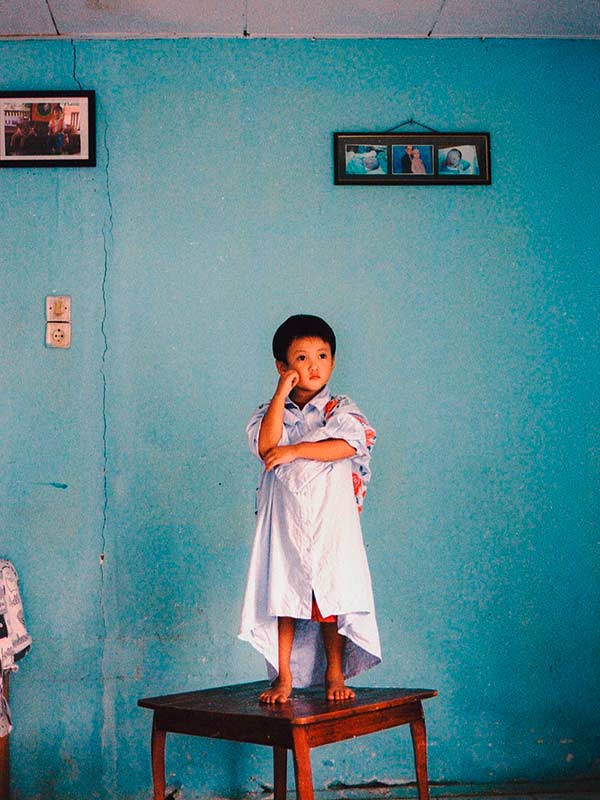
“In times of uncertainty, art offers space rather than answers. It reminds us that complexity and vulnerability are part of being human.”
Q: Which highlights should not be missed?
AG: The talks program is really important to understand this year’s festival. Many talks revolve around themes of care, provenance, resistance, authorship and responsibility, bringing together artists, editors, filmmakers and thinkers in a way that feels both challenging and generous.
I would recommend that visitors experience the festival as a continuous journey rather than a series of discrete moments. Moving back and forth between exhibitions, talks and spaces allows images and ideas to resonate with each other, leading to a deeper and more layered experience.
Q: In uncertain times like these, how can photography and art help us understand each other better and feel more connected and comforted?
AG: Photography and art cannot offer solutions, but they can create closeness. They allow us to get to know lives and emotions that are perhaps far removed from our own, and to recognize something deeply human and common in them.
In times of uncertainty, art offers space rather than answers. It reminds us that complexity and vulnerability are part of being human. Sometimes connectedness comes not from clarity, but from the simple feeling of not being alone. In this sense, paintings can offer a quiet form of solace by making the world seem a little more worth living in.
Q: Do you have any personal favorite photographers that we’ll be hearing more from soon?
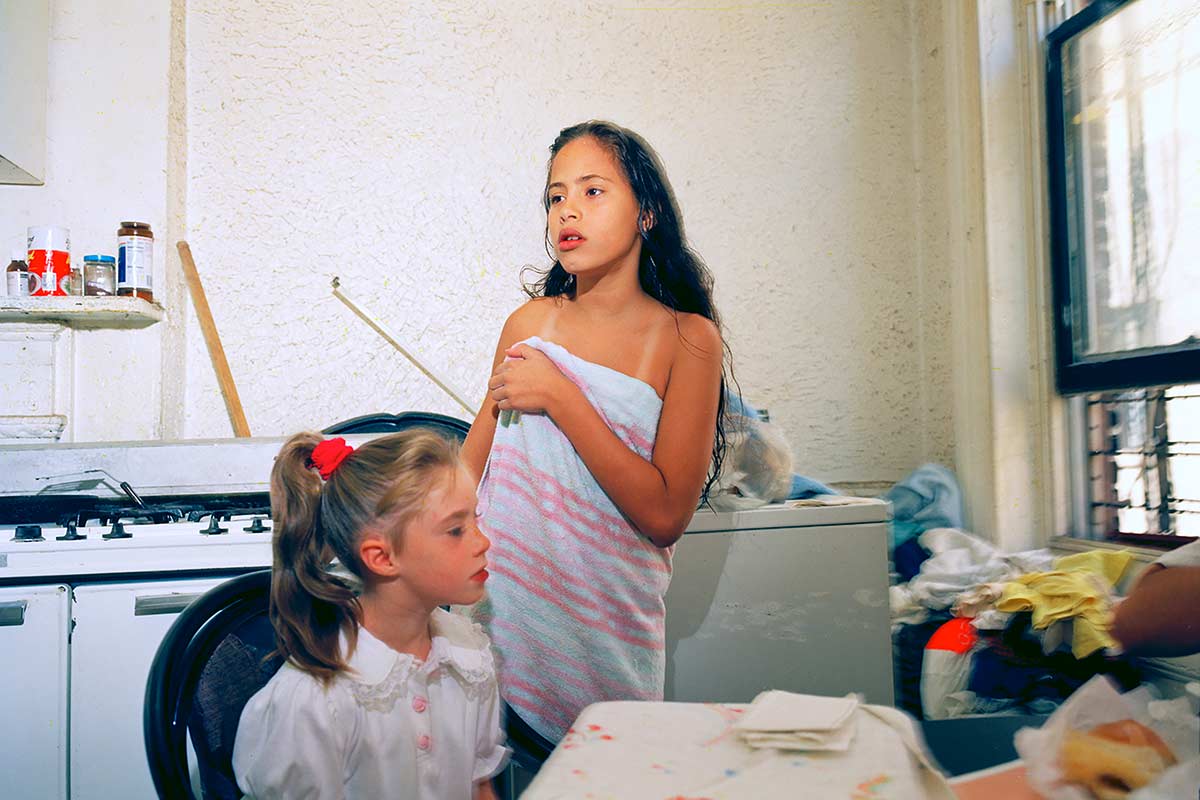
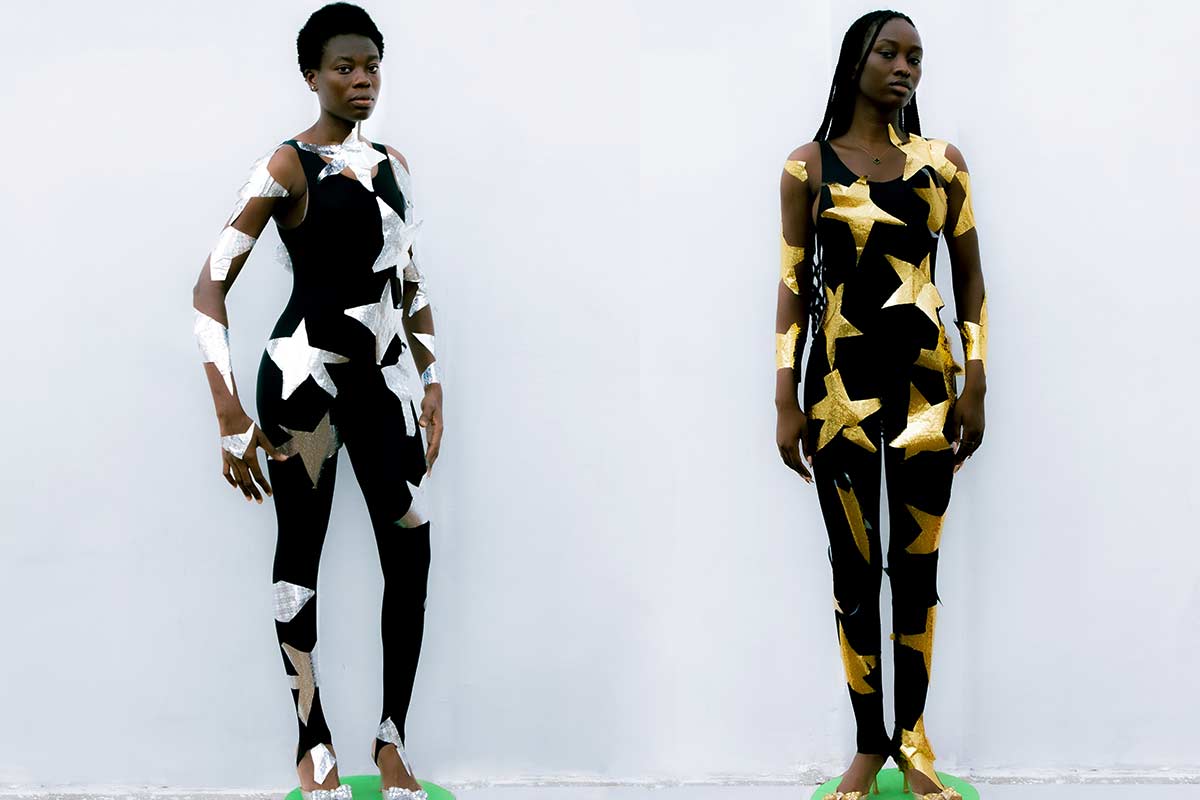
AG: Yes, there are a few artists whose work I have been following closely for a few years and whose development I really admire. These include artists featured in the exhibition, such as Bettina Pittaluga and Delali Ayivi, whose work is evolving with coherence, sensitivity and depth.
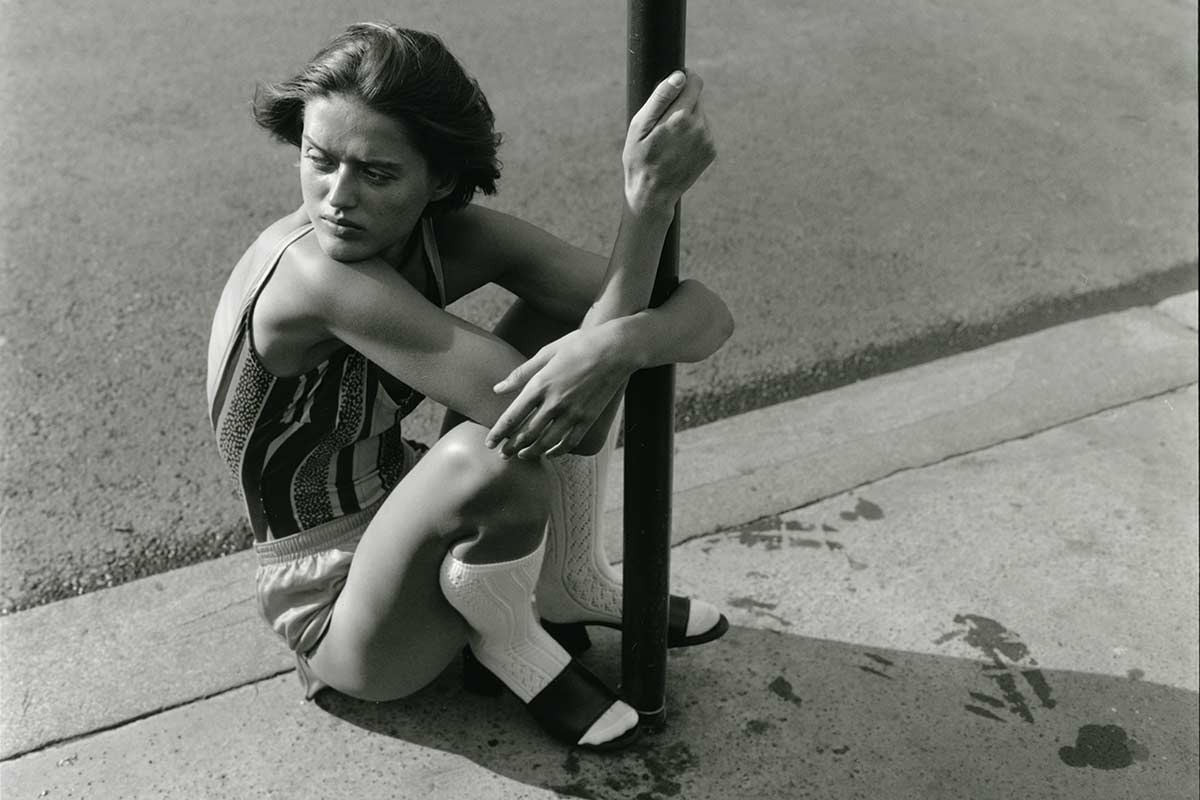
More generally, I am inspired by photographers of a generation who are redefining the concept of authorship today. Many move fluidly between documentary photography, fashion photography and personal projects and place great emphasis on the process of creation, ethical aspects and long-term research. Instead of chasing trends, they patiently develop their own visual language, which is why I believe we will be hearing a lot more from them in the coming years.
“When people leave the festival feeling welcome, respected and more connected to others, then I know we’ve created something meaningful.”
Q: How do you think photography and the way we use it is changing now that AI is moving into art?
AG: AI is forcing the world of photography to grapple with fundamental questions of authorship, intention and responsibility. While this can be unsettling, I don’t think it makes sense to approach the issue with only fear or resistance.
In an age where images can be endlessly generated, the value of photography increasingly lies in context and trust. Why an image was created, by whom and in what relationship to reality will be more important than technical perfection. AI makes clarity essential and forces us to be more precise in terms of ethics, process and meaning.
Q: As a festival director, what is the best feedback you can get from people who have attended the festival?
AG: After the last edition of the festival, Afsaneh Rafii from Icarus Complex Magazine told me something that really impressed me, because it expresses exactly what I want for PhotoVogue. She said how rare it is to find places where there is no ego, where kindness is not mistaken for weakness, and where interpersonal relationships take center stage.
She described the festival as a safe place to share ideas, have deep and sometimes difficult conversations, and honor each other’s work with generosity and care. Hearing that filled me with joy, because that’s the kind of environment I want to create. When people leave the festival feeling welcomed, respected and more connected to others, then I know we’ve created something meaningful.
You can read more about this year’s PhotoVogue program here.
Want more female perspectives? Take a look at our Female Voices photo story here.